


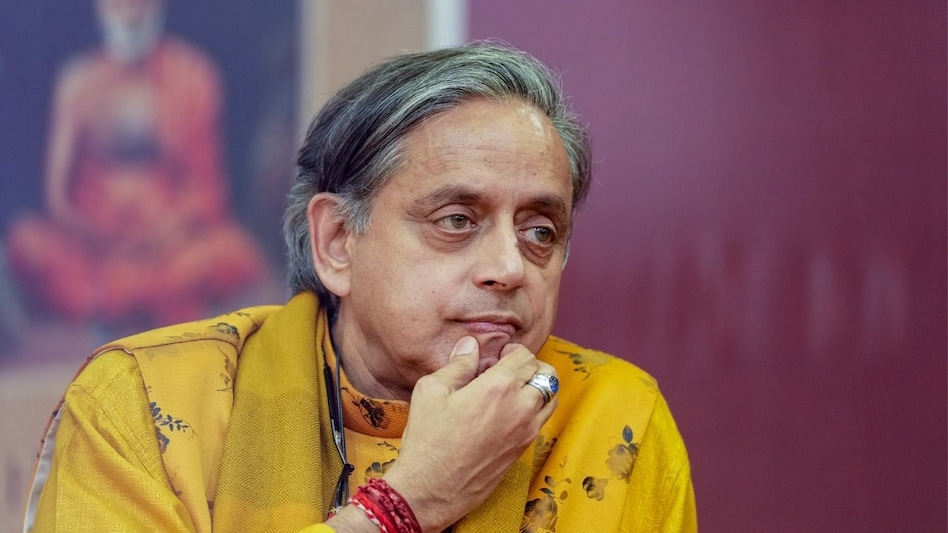
 Congress MP Shashi Tharoor
Congress MP Shashi Tharoor on Tuesday criticised the Centre's response to his Parliament questions on UGC-NET qualifiers, Junior Research Fellowships (JRFs) and research funding. He called it "a disappointing answer" that failed to address the issues he had raised.
Tharoor said the Ministry of Education had provided only a broad description of the existing fellowship framework instead of answering his specific questions on the widening gap between UGC-NET qualifiers and JRF awardees, and the long-pending revision of the UGC Non-NET Fellowship stipend.

 India faces fertilizer squeeze as rising costs force govt to rethink urea policy
 Meet Deepak Mahaske, BJP's new Social Media Convenor
 BSE, L&T, Bharat Forge, Navin Fluorine, Sundram Fasteners shares: Expert weighs in
 BJP chief Nitin Nabin names new team; Piyush Goyal gets treasurer post, Smriti Irani made general secretary
 Should You Buy an iPhone 17 Now or Wait for iPhone 18? Here's What You Need to Know
 Mahindra BE 6 Sport Teq Launched At ₹11.45 Lakh With BaaS | New Tech, Gemini AI & More
 The week's Tech News By AI Sana | Tech Gear EP 14
 Mahindra BE 6 Sport Teq Design Decoded | Pratap Bose Reveals What’s New
 Mahindra Eyes More SUV Market Share, Says India Ready For Pickup Trucks
 Vande Mataram: Why BJP Is Targeting Sonia Gandhi & Rahul Gandhi Over Full National Song
 Cupid promoter Aditya Kumar Halwasiya increases stake; multibagger stock slips 8%
 NMDC shares: Nuvama upgrades stock to 'Buy' despite Q1 EBITDA miss; check target price
 Avtar Steel files draft IPO papers with Sebi to raise Rs 585 crore through fresh issue
 Polycab shares may offer more returns despite stellar sectoral rally: SBI Securities
 BEL, L&T among SBI Securities top capital goods bets after Q1 earnings
 ‘Will bomb the shit...’: Trump escalates Iran war rhetoric, threatens Oman over Strait of Hormuz talks
 Ocean sentinels: India inks ₹1,943-crore lease for two MQ-9B Sea Guardian dronesCupid promoter Aditya Kumar Halwasiya increases stake; multibagger stock slips 8%
 'Deepak Mhaskey will take over...': Amit Malviya's first reaction after BJP replaces him as social media head
 Meet Swiggy’s new AI assistant Guru that helps restaurants manage business from one chat












