
Another blow to Trump: Taiwan turns down 50-50 chip production deal with US
US Secretary of Commerce Lutnick said over the weekend that Washington had proposed a 50-50 split in semiconductor production
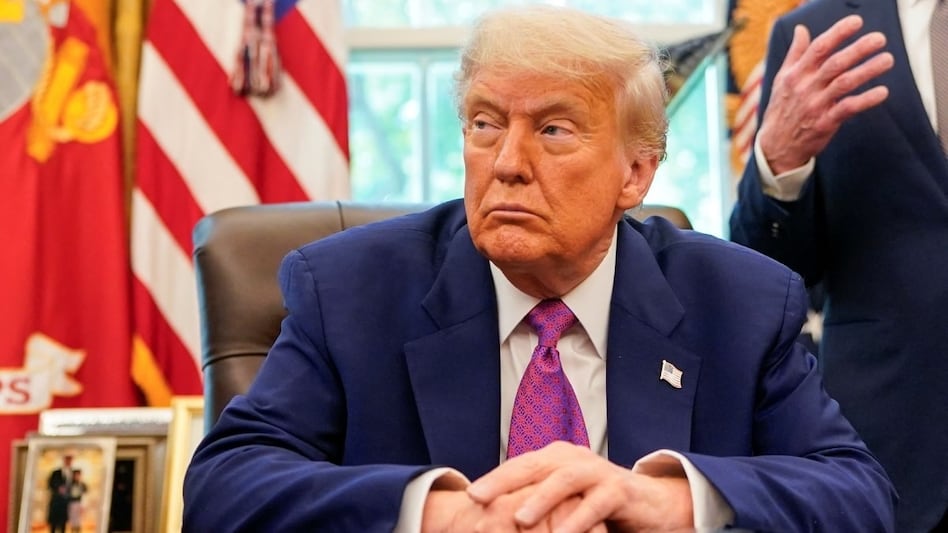
- Oct 1, 2025,
- Updated Oct 1, 2025 3:23 PM IST
Taiwan will not agree to a US proposal to split semiconductor production evenly between the two countries, Reuters reported on Wednesday, citing a top Taiwanese official. If Taiwan sticks to its current position, it would be a setback for the Trump administration's efforts to bring half of the production to America.
Taiwan Vice Premier Cheng Li-chiun, who is leading tariff talks with the United States, told reporters upon returning to the island that her team "has never made any commitment to a 50-50 split on chips. Rest assured, we did not discuss this issue during this round of talks, nor would we agree to such conditions," according to Taiwan's Central News Agency.
US Secretary of Commerce Howard Lutnick said over the weekend on News Nation that Washington had proposed a 50-50 split in semiconductor production, the bulk of which currently occurs in Taiwan.
Taiwan is home to TSMC, the world's largest contract chipmaker, which is investing $165 billion to build factories in Arizona, though most production will remain in Taiwan. The island maintains a large trade surplus with the United States, and its exports to Washington currently face a 20% tariff.
Cheng added that detailed discussions during the talks had yielded "certain progress" on tariff matters. Taiwan Premier Cho Jung-tai told parliament on Tuesday that "the most critical substantive consultations are currently underway," while President Lai Ching-te met U.S. Under Secretary for Trade and Foreign Agricultural Affairs Luke J. Lindberg to discuss trade, including agricultural deals.
The likely setback in semiconductors comes amid ongoing challenges for American farmers, particularly soybean producers, who are facing mounting uncertainty after China halted purchases of the crop in retaliation for US tariffs. Beijing, which typically accounts for at least a quarter of US soybean sales, stopped imports in May after President Donald Trump imposed steep tariffs on Chinese goods, making South American supply cheaper, the Associated Press reported.
Last year, US soybean exports totaled nearly $24.5 billion, with China purchasing $12.5 billion of that. This year, Chinese purchases have dropped to zero, while the European Union, the second-largest buyer, accounted for just $2.45 billion last year.
Taiwan will not agree to a US proposal to split semiconductor production evenly between the two countries, Reuters reported on Wednesday, citing a top Taiwanese official. If Taiwan sticks to its current position, it would be a setback for the Trump administration's efforts to bring half of the production to America.
Taiwan Vice Premier Cheng Li-chiun, who is leading tariff talks with the United States, told reporters upon returning to the island that her team "has never made any commitment to a 50-50 split on chips. Rest assured, we did not discuss this issue during this round of talks, nor would we agree to such conditions," according to Taiwan's Central News Agency.
US Secretary of Commerce Howard Lutnick said over the weekend on News Nation that Washington had proposed a 50-50 split in semiconductor production, the bulk of which currently occurs in Taiwan.
Taiwan is home to TSMC, the world's largest contract chipmaker, which is investing $165 billion to build factories in Arizona, though most production will remain in Taiwan. The island maintains a large trade surplus with the United States, and its exports to Washington currently face a 20% tariff.
Cheng added that detailed discussions during the talks had yielded "certain progress" on tariff matters. Taiwan Premier Cho Jung-tai told parliament on Tuesday that "the most critical substantive consultations are currently underway," while President Lai Ching-te met U.S. Under Secretary for Trade and Foreign Agricultural Affairs Luke J. Lindberg to discuss trade, including agricultural deals.
The likely setback in semiconductors comes amid ongoing challenges for American farmers, particularly soybean producers, who are facing mounting uncertainty after China halted purchases of the crop in retaliation for US tariffs. Beijing, which typically accounts for at least a quarter of US soybean sales, stopped imports in May after President Donald Trump imposed steep tariffs on Chinese goods, making South American supply cheaper, the Associated Press reported.
Last year, US soybean exports totaled nearly $24.5 billion, with China purchasing $12.5 billion of that. This year, Chinese purchases have dropped to zero, while the European Union, the second-largest buyer, accounted for just $2.45 billion last year.