
‘At the cost of stress, safety...’: Former Jet Airways CEO Sanjiv Kapoor questions 10-min delivery culture
Kapoor argued that speed should be an option rather than the default. He suggested charging an express delivery fee for customers who genuinely need rapid delivery, while offering discounts to those willing to wait longer.
- Jan 2, 2026,
- Updated Jan 2, 2026 3:45 PM IST
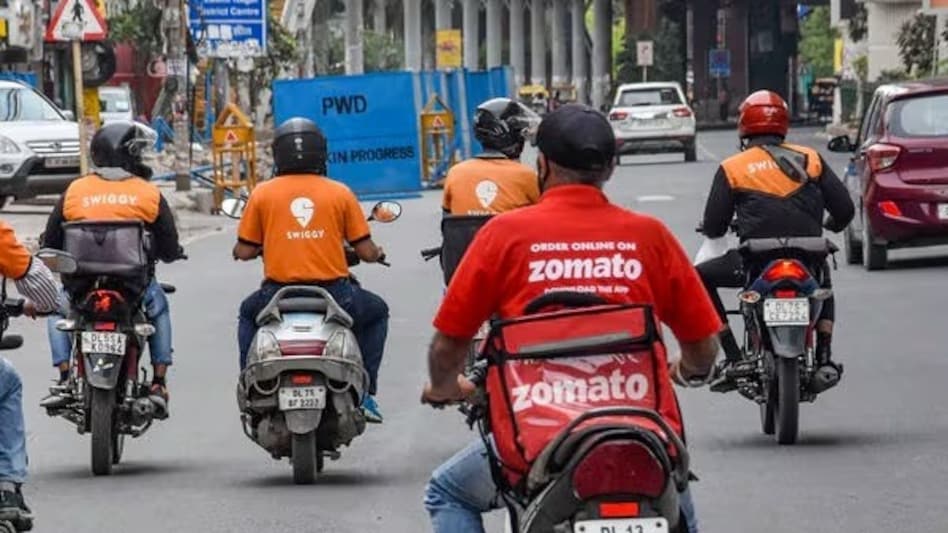
As thousands of gig workers across India staged a nationwide protest over low pay, long working hours and the absence of social security, the spotlight has once again turned to the business model of ultra-fast commerce — particularly the promise of 10-minute deliveries.
The debate sharpened after former Jet Airways CEO Sanjiv Kapoor publicly questioned the necessity of ultra-fast delivery timelines, tagging Eternal founder Deepinder Goyal in a series of posts on X (formerly Twitter). Kapoor’s remarks came at a time when gig workers affiliated with food delivery and quick commerce platforms were raising concerns about stress, road safety and working conditions.
“Why is this being taken simply as a referendum on the gig economy?” Kapoor wrote. “Of course it has an important role to play. But do we require 10-minute deliveries at the cost of stress, safety, and environment when 30 or 60 minutes would be just as acceptable to most consumers?”
Kapoor argued that speed should be an option rather than the default. He suggested charging an express delivery fee for customers who genuinely need rapid delivery, while offering discounts to those willing to wait longer. “This would ensure the feature is not misused or forced on those who don’t really need it,” he added.
Goyal defends the model
Responding to the criticism, Goyal pushed back against the idea that 10-minute delivery targets force riders to rush or compromise safety. He said the promise is enabled by the growing density of dark stores — small, local fulfilment centres — rather than by pressuring delivery partners to drive faster.
“After you place your order on Blinkit, it is picked and packed within 2.5 minutes. And then the rider drives an average of under 2 kilometres in about 8 minutes,” Goyal explained in a thread. “That’s an average speed of around 15 kmph.”
According to Goyal, delivery partners are not racing against a visible countdown. He said riders do not see the promised delivery time on their app and are not penalised for delays. “Delivery partners don’t even have a timer to indicate what was the original time promised to the customer,” he said.
How ‘10 minutes’ actually works
Amid the online exchange, a netizen attempted to break down how the system operates in practice. Using two scenarios, the user explained that the delivery time depends on proximity and store availability.
“When I order, the Blinkit store is 1.8 km away and the Instamart store is 1.5 km away,” the post read. “If a store is too busy, the order may be processed from one that’s 2.4 km away. Ten minutes isn’t enforced.”
The explanation sought to counter the perception that delivery partners are compelled to meet a rigid deadline regardless of conditions.
A larger gig economy question
While the back-and-forth focused on delivery speeds, worker unions and labour activists say the controversy reflects deeper structural issues in the gig economy — from unpredictable earnings and algorithmic control to the lack of health insurance, accident cover and retirement benefits.
The protests have renewed calls for clearer regulations and accountability as India’s quick commerce sector continues to expand rapidly. For critics like Kapoor, the question is not whether quick delivery should exist, but whether hyper-speed should define the future of urban consumption.
As thousands of gig workers across India staged a nationwide protest over low pay, long working hours and the absence of social security, the spotlight has once again turned to the business model of ultra-fast commerce — particularly the promise of 10-minute deliveries.
The debate sharpened after former Jet Airways CEO Sanjiv Kapoor publicly questioned the necessity of ultra-fast delivery timelines, tagging Eternal founder Deepinder Goyal in a series of posts on X (formerly Twitter). Kapoor’s remarks came at a time when gig workers affiliated with food delivery and quick commerce platforms were raising concerns about stress, road safety and working conditions.
“Why is this being taken simply as a referendum on the gig economy?” Kapoor wrote. “Of course it has an important role to play. But do we require 10-minute deliveries at the cost of stress, safety, and environment when 30 or 60 minutes would be just as acceptable to most consumers?”
Kapoor argued that speed should be an option rather than the default. He suggested charging an express delivery fee for customers who genuinely need rapid delivery, while offering discounts to those willing to wait longer. “This would ensure the feature is not misused or forced on those who don’t really need it,” he added.
Goyal defends the model
Responding to the criticism, Goyal pushed back against the idea that 10-minute delivery targets force riders to rush or compromise safety. He said the promise is enabled by the growing density of dark stores — small, local fulfilment centres — rather than by pressuring delivery partners to drive faster.
“After you place your order on Blinkit, it is picked and packed within 2.5 minutes. And then the rider drives an average of under 2 kilometres in about 8 minutes,” Goyal explained in a thread. “That’s an average speed of around 15 kmph.”
According to Goyal, delivery partners are not racing against a visible countdown. He said riders do not see the promised delivery time on their app and are not penalised for delays. “Delivery partners don’t even have a timer to indicate what was the original time promised to the customer,” he said.
How ‘10 minutes’ actually works
Amid the online exchange, a netizen attempted to break down how the system operates in practice. Using two scenarios, the user explained that the delivery time depends on proximity and store availability.
“When I order, the Blinkit store is 1.8 km away and the Instamart store is 1.5 km away,” the post read. “If a store is too busy, the order may be processed from one that’s 2.4 km away. Ten minutes isn’t enforced.”
The explanation sought to counter the perception that delivery partners are compelled to meet a rigid deadline regardless of conditions.
A larger gig economy question
While the back-and-forth focused on delivery speeds, worker unions and labour activists say the controversy reflects deeper structural issues in the gig economy — from unpredictable earnings and algorithmic control to the lack of health insurance, accident cover and retirement benefits.
The protests have renewed calls for clearer regulations and accountability as India’s quick commerce sector continues to expand rapidly. For critics like Kapoor, the question is not whether quick delivery should exist, but whether hyper-speed should define the future of urban consumption.