
ATM for ration? Here's how 'One Nation, One Ration Card' upgrade will impact you
Under the revised arrangement, beneficiaries are no longer required to depend on a single ration shop for their entire monthly quota.
- Jun 25, 2026,
- Updated Jun 25, 2026 10:24 AM IST
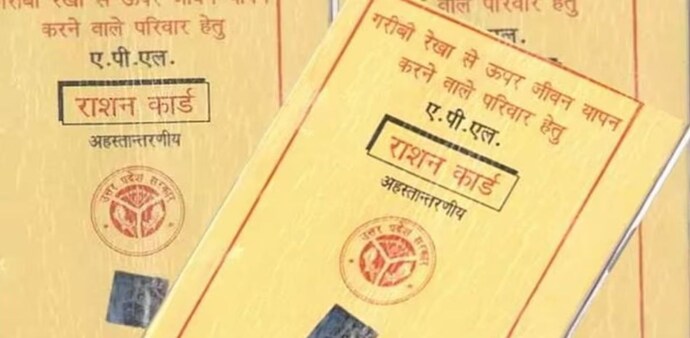
The government has introduced a new feature under the One Nation One Ration Card (ONORC) scheme, allowing ration card holders to collect their entitled food grains from different fair price shops according to their convenience. The move is expected to reduce long queues, ease access to subsidised food grains, and improve the overall efficiency of ration distribution across the country.
Under the revised arrangement, beneficiaries are no longer required to depend on a single ration shop for their entire monthly quota. They can now collect wheat from one fair price shop and rice from another, depending on availability and convenience. This flexibility is expected to help families avoid situations where they are unable to receive their full entitlement due to stock shortages, technical glitches, or overcrowding at a particular shop.
The announcement was highlighted by Union Minister of State B.L. Verma, who said that eligible beneficiaries under the ONORC framework can access their ration from any fair price shop across the country.
The system is designed to function much like ATM banking, where individuals can withdraw money from any ATM regardless of where their account is registered. Similarly, ration card holders can now access their food grain entitlement from multiple locations without being tied to a specific shop.
ALSO READ: EPFO interest rate update: How to check if 8.25% EPF interest has been credited to your PF account
The One Nation One Ration Card scheme was launched to ensure nationwide portability of ration cards under the National Food Security Act (NFSA). It enables beneficiaries, especially migrant workers and their families, to receive subsidised food grains anywhere in India through Aadhaar-based biometric authentication. The scheme has been implemented across all states and Union Territories, making food security benefits portable throughout the country.
The latest enhancement will particularly benefit migrant labourers who frequently move between cities and states for work. Instead of relying on a designated ration shop in their home district, they can now access food grains wherever they are residing, ensuring uninterrupted access to essential supplies.
The government has introduced a new feature under the One Nation One Ration Card (ONORC) scheme, allowing ration card holders to collect their entitled food grains from different fair price shops according to their convenience. The move is expected to reduce long queues, ease access to subsidised food grains, and improve the overall efficiency of ration distribution across the country.
Under the revised arrangement, beneficiaries are no longer required to depend on a single ration shop for their entire monthly quota. They can now collect wheat from one fair price shop and rice from another, depending on availability and convenience. This flexibility is expected to help families avoid situations where they are unable to receive their full entitlement due to stock shortages, technical glitches, or overcrowding at a particular shop.
The announcement was highlighted by Union Minister of State B.L. Verma, who said that eligible beneficiaries under the ONORC framework can access their ration from any fair price shop across the country.
The system is designed to function much like ATM banking, where individuals can withdraw money from any ATM regardless of where their account is registered. Similarly, ration card holders can now access their food grain entitlement from multiple locations without being tied to a specific shop.
ALSO READ: EPFO interest rate update: How to check if 8.25% EPF interest has been credited to your PF account
The One Nation One Ration Card scheme was launched to ensure nationwide portability of ration cards under the National Food Security Act (NFSA). It enables beneficiaries, especially migrant workers and their families, to receive subsidised food grains anywhere in India through Aadhaar-based biometric authentication. The scheme has been implemented across all states and Union Territories, making food security benefits portable throughout the country.
The latest enhancement will particularly benefit migrant labourers who frequently move between cities and states for work. Instead of relying on a designated ration shop in their home district, they can now access food grains wherever they are residing, ensuring uninterrupted access to essential supplies.