
‘Bad deal for New Zealand’: Foreign minister Winston Peters slams India-NZ Free Trade Agreement
Peters accused the government, led by coalition partner National, of prioritising speed over substance in concluding the agreement. He said New Zealand First had urged the government to use the full three-year parliamentary term to negotiate better terms, rather than rushing into what he described as a “low-quality deal”.
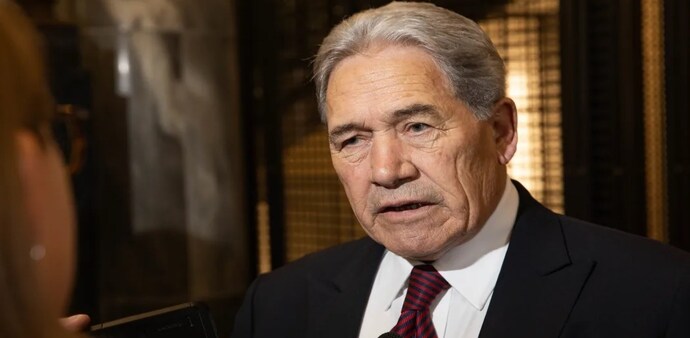
- Dec 22, 2025,
- Updated Dec 22, 2025 2:19 PM IST
New Zealand Foreign Minister Winston Peters has launched a sharp attack on the newly announced free-trade agreement (FTA) between India and New Zealand, calling it a “bad deal” that gives away too much while delivering little in return for New Zealanders.
Shortly after the agreement was made public, Peters said his New Zealand First party was “regrettably opposed” to the deal and would vote against its enabling legislation when it comes before Parliament.
“We consider the India-New Zealand free-trade agreement to be neither free nor fair,” Peters wrote in a lengthy post on X (formally twitter), arguing that the agreement fails to adequately protect New Zealand’s economic and labour interests.
‘Too much given away’
Peters accused the government, led by coalition partner National, of prioritising speed over substance in concluding the agreement. He said New Zealand First had urged the government to use the full three-year parliamentary term to negotiate better terms, rather than rushing into what he described as a “low-quality deal”.
“Unfortunately, these pleas went unheeded,” Peters said. “National preferred doing a quick, low-quality deal over doing the hard work necessary to get a fair deal that delivers for both New Zealanders and Indians.”
A key concern, he said, was that the agreement did not adequately address New Zealand’s export interests, particularly in the dairy sector — one of the country’s most important industries.
Dairy excluded from market access
According to Peters, while New Zealand would fully open its market to Indian products under the agreement, India would maintain significant tariff barriers on major New Zealand dairy exports, including milk, cheese and butter.
“This is not a good deal for New Zealand farmers and is impossible to defend to our rural communities,” he said.
Peters noted that the agreement would be New Zealand’s first trade deal to exclude its major dairy products, a move he said undermines the country’s long-standing trade priorities.
Immigration & labour market concerns
Beyond trade, Peters criticised what he described as “serious concessions” made by New Zealand in areas unrelated to two-way commerce, particularly immigration and labour mobility.
He said the deal offers India greater per capita access to New Zealand’s labour market than similar FTAs negotiated by Australia or the United Kingdom — a move he called “deeply unwise” given current economic conditions.
“This is deeply unwise given New Zealand’s current labour market conditions, with too many New Zealanders in unemployment or doing it tough economically,” Peters said.
Of particular concern is the creation of a new employment visa specifically for Indian citizens, which Peters warned could significantly increase migration at a time when job opportunities for locals are under pressure.
Student work rights under scrutiny
Peters also raised alarms over provisions expanding work rights for Indian students, both during their studies and after graduation. He said these measures could restrict the ability of future governments to respond to shifting labour market needs.
“The proposals around the work rights for Indian students would constrain the ability of future governments to make policy changes in response to changing labour market conditions,” he said.
New Zealand First, he added, evaluates migration policy through a single lens: whether it protects job opportunities for New Zealanders and maintains the integrity of the immigration system.
“The India deal fails that test,” Peters said.
Peters also questioned the political viability of the agreement, noting that his party had warned National against signing the deal without a clear parliamentary majority.
With New Zealand First now committed to opposing the legislation, the agreement’s path through Parliament could face renewed uncertainty, even as the government seeks to deepen economic ties with India.
The criticism highlights growing domestic debate in New Zealand over how trade agreements balance economic growth, labour protections and long-term sovereignty — particularly when engaging with large, fast-growing economies such as India.
New Zealand Foreign Minister Winston Peters has launched a sharp attack on the newly announced free-trade agreement (FTA) between India and New Zealand, calling it a “bad deal” that gives away too much while delivering little in return for New Zealanders.
Shortly after the agreement was made public, Peters said his New Zealand First party was “regrettably opposed” to the deal and would vote against its enabling legislation when it comes before Parliament.
“We consider the India-New Zealand free-trade agreement to be neither free nor fair,” Peters wrote in a lengthy post on X (formally twitter), arguing that the agreement fails to adequately protect New Zealand’s economic and labour interests.
‘Too much given away’
Peters accused the government, led by coalition partner National, of prioritising speed over substance in concluding the agreement. He said New Zealand First had urged the government to use the full three-year parliamentary term to negotiate better terms, rather than rushing into what he described as a “low-quality deal”.
“Unfortunately, these pleas went unheeded,” Peters said. “National preferred doing a quick, low-quality deal over doing the hard work necessary to get a fair deal that delivers for both New Zealanders and Indians.”
A key concern, he said, was that the agreement did not adequately address New Zealand’s export interests, particularly in the dairy sector — one of the country’s most important industries.
Dairy excluded from market access
According to Peters, while New Zealand would fully open its market to Indian products under the agreement, India would maintain significant tariff barriers on major New Zealand dairy exports, including milk, cheese and butter.
“This is not a good deal for New Zealand farmers and is impossible to defend to our rural communities,” he said.
Peters noted that the agreement would be New Zealand’s first trade deal to exclude its major dairy products, a move he said undermines the country’s long-standing trade priorities.
Immigration & labour market concerns
Beyond trade, Peters criticised what he described as “serious concessions” made by New Zealand in areas unrelated to two-way commerce, particularly immigration and labour mobility.
He said the deal offers India greater per capita access to New Zealand’s labour market than similar FTAs negotiated by Australia or the United Kingdom — a move he called “deeply unwise” given current economic conditions.
“This is deeply unwise given New Zealand’s current labour market conditions, with too many New Zealanders in unemployment or doing it tough economically,” Peters said.
Of particular concern is the creation of a new employment visa specifically for Indian citizens, which Peters warned could significantly increase migration at a time when job opportunities for locals are under pressure.
Student work rights under scrutiny
Peters also raised alarms over provisions expanding work rights for Indian students, both during their studies and after graduation. He said these measures could restrict the ability of future governments to respond to shifting labour market needs.
“The proposals around the work rights for Indian students would constrain the ability of future governments to make policy changes in response to changing labour market conditions,” he said.
New Zealand First, he added, evaluates migration policy through a single lens: whether it protects job opportunities for New Zealanders and maintains the integrity of the immigration system.
“The India deal fails that test,” Peters said.
Peters also questioned the political viability of the agreement, noting that his party had warned National against signing the deal without a clear parliamentary majority.
With New Zealand First now committed to opposing the legislation, the agreement’s path through Parliament could face renewed uncertainty, even as the government seeks to deepen economic ties with India.
The criticism highlights growing domestic debate in New Zealand over how trade agreements balance economic growth, labour protections and long-term sovereignty — particularly when engaging with large, fast-growing economies such as India.