
Bengal draft voter list: After SIR, ECI removes 58 lakh names ahead of assembly polls
According to figures released by the ECI, a total of 58,20,898 voter names have been identified for deletion
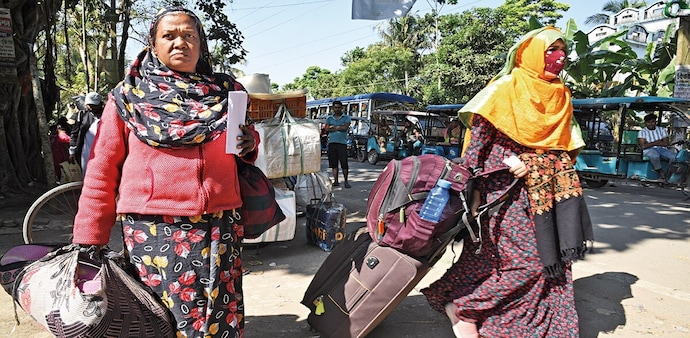
- Dec 16, 2025,
- Updated Dec 16, 2025 11:14 AM IST
The Election Commission of India (ECI) has made public the draft electoral rolls for West Bengal, revealing that more than 58 lakh voter names have been identified for deletion following a controversial Special Intensive Revision (SIR) exercise. The move comes months ahead of the high-stakes Assembly elections and has already deepened political tensions in the state.
With the draft rolls released, the enumeration stage of the SIR has formally come to an end. The focus now shifts to the next and more complex phase, verification through claims, objections and hearings, which will run until February 2026. The final voters’ list is scheduled to be published on February 14, 2026.
According to data released by the ECI, a total of 58,20,898 entries have been flagged for deletion from the electoral rolls. Of these, 24,16,852 voters have been identified as deceased. Another 19,88,076 names belong to voters who have permanently shifted residence or migrated out of the state. In addition, 12,20,038 electors have been marked as missing.
The Commission has also flagged 1,38,328 entries as duplicate, false or bogus, while 57,604 names have been proposed for deletion under “other reasons”.
Separately, the special observer appointed to oversee the SIR said on Monday that 58,17,851 voter verification forms remained “uncollected” across West Bengal. These cases involved voters who could not be found at their registered addresses, were reported dead, or had multiple entries on the rolls. Names linked to these uncollected forms have been provisionally excluded from the draft list.
The ECI has clarified that no deletion is final at this stage. Voters whose names do not appear in the draft rolls can file claims using Form 6, along with supporting documents, during the ongoing claims-and-objections window. Hearings will determine whether such names are restored or permanently removed.
SIR under political and administrative strain
The SIR exercise in West Bengal, conducted between December 4 and December 11, unfolded amid significant strain on the administrative machinery. Booth-level officers protested against tight timelines and heavy workloads, while reports emerged of illegal Bangladeshi nationals leaving the state during the revision period.
The ruling Trinamool Congress has alleged that nearly 40 election officials died during the exercise. The party has accused the BJP and the Election Commission of attempting to influence the electoral process ahead of the Assembly polls.
Chief Minister Mamata Banerjee has been one of the sharpest critics of the SIR. Addressing an election rally, she accused the BJP and the ECI of working together to manipulate voter lists and vowed resistance from her government.
“If your name gets deleted, the central government should also be deleted,” she said.
The Special Intensive Revision is not limited to West Bengal. Similar exercises are currently underway in several other states and Union Territories, including Andaman and Nicobar Islands, Chhattisgarh, Goa, Gujarat, Kerala, Lakshadweep, Madhya Pradesh, Puducherry, Rajasthan, Tamil Nadu and Uttar Pradesh.
The Election Commission of India (ECI) has made public the draft electoral rolls for West Bengal, revealing that more than 58 lakh voter names have been identified for deletion following a controversial Special Intensive Revision (SIR) exercise. The move comes months ahead of the high-stakes Assembly elections and has already deepened political tensions in the state.
With the draft rolls released, the enumeration stage of the SIR has formally come to an end. The focus now shifts to the next and more complex phase, verification through claims, objections and hearings, which will run until February 2026. The final voters’ list is scheduled to be published on February 14, 2026.
According to data released by the ECI, a total of 58,20,898 entries have been flagged for deletion from the electoral rolls. Of these, 24,16,852 voters have been identified as deceased. Another 19,88,076 names belong to voters who have permanently shifted residence or migrated out of the state. In addition, 12,20,038 electors have been marked as missing.
The Commission has also flagged 1,38,328 entries as duplicate, false or bogus, while 57,604 names have been proposed for deletion under “other reasons”.
Separately, the special observer appointed to oversee the SIR said on Monday that 58,17,851 voter verification forms remained “uncollected” across West Bengal. These cases involved voters who could not be found at their registered addresses, were reported dead, or had multiple entries on the rolls. Names linked to these uncollected forms have been provisionally excluded from the draft list.
The ECI has clarified that no deletion is final at this stage. Voters whose names do not appear in the draft rolls can file claims using Form 6, along with supporting documents, during the ongoing claims-and-objections window. Hearings will determine whether such names are restored or permanently removed.
SIR under political and administrative strain
The SIR exercise in West Bengal, conducted between December 4 and December 11, unfolded amid significant strain on the administrative machinery. Booth-level officers protested against tight timelines and heavy workloads, while reports emerged of illegal Bangladeshi nationals leaving the state during the revision period.
The ruling Trinamool Congress has alleged that nearly 40 election officials died during the exercise. The party has accused the BJP and the Election Commission of attempting to influence the electoral process ahead of the Assembly polls.
Chief Minister Mamata Banerjee has been one of the sharpest critics of the SIR. Addressing an election rally, she accused the BJP and the ECI of working together to manipulate voter lists and vowed resistance from her government.
“If your name gets deleted, the central government should also be deleted,” she said.
The Special Intensive Revision is not limited to West Bengal. Similar exercises are currently underway in several other states and Union Territories, including Andaman and Nicobar Islands, Chhattisgarh, Goa, Gujarat, Kerala, Lakshadweep, Madhya Pradesh, Puducherry, Rajasthan, Tamil Nadu and Uttar Pradesh.