
Biggest drop since 2009: Rice output faces 10 mn tonne slump amid rainfall deficit, El Niño risk
The decline comes as India, the world’s biggest rice-producing and exporting country, faces a significant rainfall deficit. India has received 15% less rainfall than normal since the four-month monsoon season began on June 1.
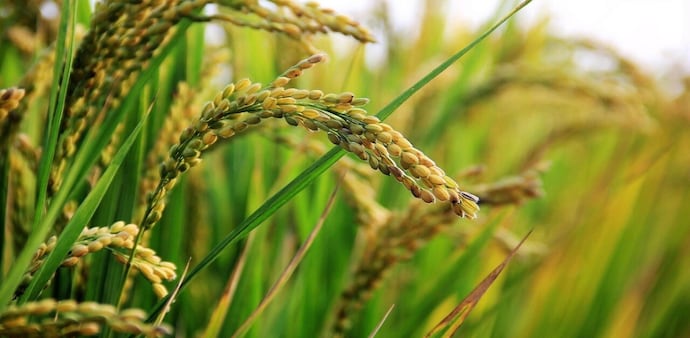
- Sep 18, 2026,
- Updated Sep 18, 2026 4:25 PM IST
India's rice production is set to decline this year for the first time in a decade and could register its biggest fall in nearly 20 years, as below-normal rainfall during the crop’s maturation period threatens yields, industry officials told Reuters.
Production could fall by around 10 million metric tonnes in 2026/27, taking output down from last year’s record 154 million tonnes. The decline would amount to nearly 6.5% and mark the biggest drop since 2009/10, when an El Niño-induced drought affected production.
“Yields will be lower due to reduced rainfall. We estimate that production could decline by around 10 million metric tons,” BV Krishna Rao, President of the Rice Exporters Association, told Reuters.
The decline comes as India, the world’s biggest rice-producing and exporting country, faces a significant rainfall deficit. India has received 15% less rainfall than normal since the four-month monsoon season began on June 1, according to weather department data. In some major rice-producing states, the rainfall deficit has reached as much as 42%.
The area under summer-sown rice stood at 42.68 million hectares as of September 11, nearly 4% lower than a year earlier, government data showed. Summer-sown crops account for more than 80% of India’s total rice production, with winter-sown crops making up the remainder.
The outlook for winter rice could also weaken because reservoirs are holding less water than normal, Nitin Gupta, Deputy Country Head at Olam Agri India, told Reuters.
The production decline is already affecting prices. Local rice prices have started rising on expectations of lower output, pushing export prices to their highest level in more than one year.
However, India’s large rice inventories could help cushion the impact on exports. State reserves, including unmilled paddy, stood at a record 59.6 million tonnes as of September 1, compared with the government’s target of 10.3 million tonnes by October 1.
A New Delhi-based dealer with a global trading house told Reuters that India should still be able to export rice without imposing restrictions because of its large stockpiles.
DON'T MISS | El Nino impact? India headed for driest monsoon since 2009, food inflation fears rise: Report
Despite the expected production decline, the inventories could allow New Delhi to maintain exports at record levels, Reuters reported. However, lower domestic availability and rising local prices could make Indian rice exports more expensive at a time when prices are also increasing in competing exporters such as Thailand and Vietnam.
A strengthening El Niño is driving India toward its driest monsoon season in 17 years, threatening agricultural yields and raising the risk of widespread food inflation.
Cumulative rainfall for the June-to-September season is running 15% below the long-term average, according to the India Meteorological Department. Should current conditions hold, the country will mark its weakest monsoon since 2009, when rainfall dropped 18% below normal levels.
The widening deficit far exceeds the weather office's May estimate, which had originally projected a 10% shortfall for the season.
India's rice production is set to decline this year for the first time in a decade and could register its biggest fall in nearly 20 years, as below-normal rainfall during the crop’s maturation period threatens yields, industry officials told Reuters.
Production could fall by around 10 million metric tonnes in 2026/27, taking output down from last year’s record 154 million tonnes. The decline would amount to nearly 6.5% and mark the biggest drop since 2009/10, when an El Niño-induced drought affected production.
“Yields will be lower due to reduced rainfall. We estimate that production could decline by around 10 million metric tons,” BV Krishna Rao, President of the Rice Exporters Association, told Reuters.
The decline comes as India, the world’s biggest rice-producing and exporting country, faces a significant rainfall deficit. India has received 15% less rainfall than normal since the four-month monsoon season began on June 1, according to weather department data. In some major rice-producing states, the rainfall deficit has reached as much as 42%.
The area under summer-sown rice stood at 42.68 million hectares as of September 11, nearly 4% lower than a year earlier, government data showed. Summer-sown crops account for more than 80% of India’s total rice production, with winter-sown crops making up the remainder.
The outlook for winter rice could also weaken because reservoirs are holding less water than normal, Nitin Gupta, Deputy Country Head at Olam Agri India, told Reuters.
The production decline is already affecting prices. Local rice prices have started rising on expectations of lower output, pushing export prices to their highest level in more than one year.
However, India’s large rice inventories could help cushion the impact on exports. State reserves, including unmilled paddy, stood at a record 59.6 million tonnes as of September 1, compared with the government’s target of 10.3 million tonnes by October 1.
A New Delhi-based dealer with a global trading house told Reuters that India should still be able to export rice without imposing restrictions because of its large stockpiles.
DON'T MISS | El Nino impact? India headed for driest monsoon since 2009, food inflation fears rise: Report
Despite the expected production decline, the inventories could allow New Delhi to maintain exports at record levels, Reuters reported. However, lower domestic availability and rising local prices could make Indian rice exports more expensive at a time when prices are also increasing in competing exporters such as Thailand and Vietnam.
A strengthening El Niño is driving India toward its driest monsoon season in 17 years, threatening agricultural yields and raising the risk of widespread food inflation.
Cumulative rainfall for the June-to-September season is running 15% below the long-term average, according to the India Meteorological Department. Should current conditions hold, the country will mark its weakest monsoon since 2009, when rainfall dropped 18% below normal levels.
The widening deficit far exceeds the weather office's May estimate, which had originally projected a 10% shortfall for the season.