
BT Explainer: Delhi–Dehradun Expressway — route, travel time, cost and key features
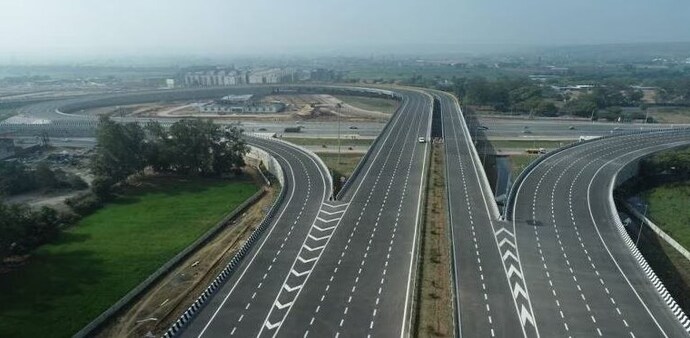
Built at an estimated cost of around ₹12,000 crore, the 210-km-long expressway is a 6-lane, access-controlled corridor designed for speeds of up to 120 km/h
- Apr 13, 2026,
- Updated Apr 13, 2026 6:57 PM IST
Prime Minister Narendra Modi is set to inaugurate the Delhi–Dehradun Expressway on April 14, marking the launch of a key high-speed corridor aimed at improving connectivity between Delhi and Uttarakhand.
Don't Miss: Delhi–Dehradun Expressway: 2.5 hrs Travel Via Wildlife Corridor, PM Modi To Inaugurate On April 14
Travel time to drop to 3 hours
Built at an estimated cost of around ₹12,000 crore, the 210-km-long expressway is a 6-lane, access-controlled corridor designed for speeds of up to 120 km/h. Once fully operational, it is expected to cut travel time between Delhi and Dehradun from 6–7 hours to about three hours.
Four-phase project: Here’s the full route
The expressway has been developed in four phases:
Phase 1: Akshardham (Delhi) to EPE junction (Uttar Pradesh)
Phase 2: EPE junction to Saharanpur Bypass
Phase 3: Saharanpur Bypass to Ganeshpur (Uttarakhand)
Phase 4: Ganeshpur to Dehradun
In Uttar Pradesh, the corridor passes through Baghpat, Baraut, Muzaffarnagar, Shamli, and Saharanpur, improving connectivity across western UP and easing congestion in the NCR.
High-speed corridor with modern safety features
The expressway is fully access-controlled, allowing uninterrupted high-speed travel. It includes grade-separated interchanges, service roads, and safety infrastructure such as crash barriers, signage systems, and night reflectors.
Vehicle underpasses (VUPs) and light vehicle underpasses (LVUPs) have been built to ensure smooth local traffic movement without interfering with expressway traffic.
Special focus on wildlife protection
A key highlight of the project is its alignment through the eco-sensitive zone of Rajaji National Park. Authorities have incorporated an elevated wildlife corridor along with multiple underpasses to ensure safe movement of animals, balancing infrastructure development with environmental concerns.
Boost to tourism and regional economy
The expressway is expected to improve access to Dehradun, Mussoorie, and other tourist destinations in Uttarakhand, giving a push to tourism.
It will also help farmers transport produce faster to markets and is likely to spur economic activity, investment, and job creation in regions along the route.
Prime Minister Narendra Modi is set to inaugurate the Delhi–Dehradun Expressway on April 14, marking the launch of a key high-speed corridor aimed at improving connectivity between Delhi and Uttarakhand.
Don't Miss: Delhi–Dehradun Expressway: 2.5 hrs Travel Via Wildlife Corridor, PM Modi To Inaugurate On April 14
Travel time to drop to 3 hours
Built at an estimated cost of around ₹12,000 crore, the 210-km-long expressway is a 6-lane, access-controlled corridor designed for speeds of up to 120 km/h. Once fully operational, it is expected to cut travel time between Delhi and Dehradun from 6–7 hours to about three hours.
Four-phase project: Here’s the full route
The expressway has been developed in four phases:
Phase 1: Akshardham (Delhi) to EPE junction (Uttar Pradesh)
Phase 2: EPE junction to Saharanpur Bypass
Phase 3: Saharanpur Bypass to Ganeshpur (Uttarakhand)
Phase 4: Ganeshpur to Dehradun
In Uttar Pradesh, the corridor passes through Baghpat, Baraut, Muzaffarnagar, Shamli, and Saharanpur, improving connectivity across western UP and easing congestion in the NCR.
High-speed corridor with modern safety features
The expressway is fully access-controlled, allowing uninterrupted high-speed travel. It includes grade-separated interchanges, service roads, and safety infrastructure such as crash barriers, signage systems, and night reflectors.
Vehicle underpasses (VUPs) and light vehicle underpasses (LVUPs) have been built to ensure smooth local traffic movement without interfering with expressway traffic.
Special focus on wildlife protection
A key highlight of the project is its alignment through the eco-sensitive zone of Rajaji National Park. Authorities have incorporated an elevated wildlife corridor along with multiple underpasses to ensure safe movement of animals, balancing infrastructure development with environmental concerns.
Boost to tourism and regional economy
The expressway is expected to improve access to Dehradun, Mussoorie, and other tourist destinations in Uttarakhand, giving a push to tourism.
It will also help farmers transport produce faster to markets and is likely to spur economic activity, investment, and job creation in regions along the route.