
BT Explainer: How Modi government has managed global oil price surge
A mix of measures, including excise duty cuts and diversification of imports, has helped protect Indian consumers without a rise in retail prices of petrol and diesel.
- Apr 23, 2026,
- Updated Apr 23, 2026 1:22 PM IST
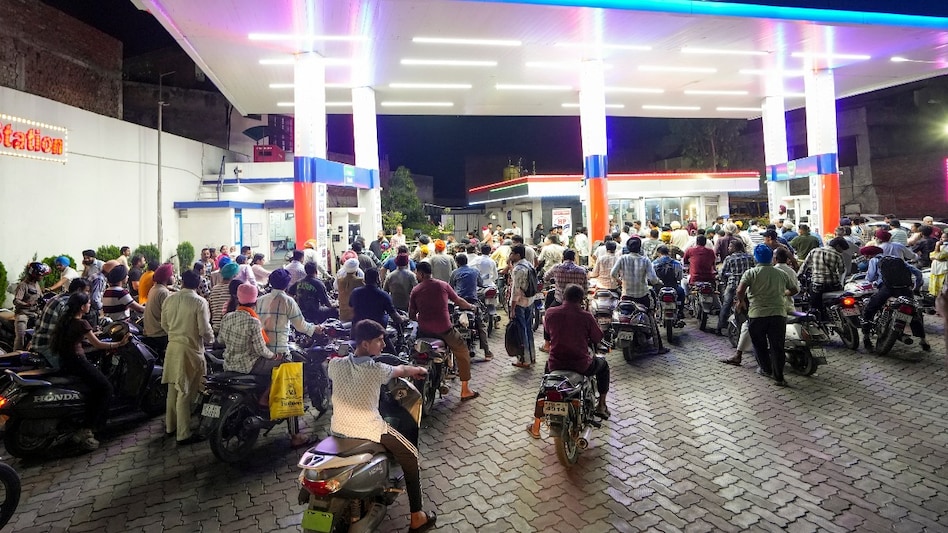
Consumers have by and large been protected from the spike in global crude oil prices though the Centre has hiked prices of LPG cylinders, industrial diesel and premium petrol. With global crude oil prices surging to record highs, the Centre has taken several measures to shield consumers from a rise in petrol and diesel prices.
What has happened to crude oil prices?
Brent crude oil prices surged past the $100 per barrel mark, for the first time in over two weeks on April 22, driven by a mix of strong demand signals and escalating geopolitical tensions, as hopes of de-escalation remain uncertain.
Oil prices have now risen for a fourth straight session, complimented by huge draws in US gasoline and distillate inventories. Markets are reacting to rising tensions in the Middle East, particularly around the Strait of Hormuz, that handled around 20% of global oil and liquefied natural gas flows.
Must read: Oil shock bigger than 1970s: Gita Gopinath warns of impact on your wallet
Iran’s capture of two container ships attempting to exit the Gulf has raised fresh concerns about supply disruptions, fuelling the crude basket jump. There are reports of a possible second round of peace talks between Iran and the United States, but continued deadlock has kept risk premiums high in oil markets.
Indian crude oil basket has nearly doubled amid the ongoing West Asia conflict, rising from around $63 per barrel in January to an average $116 per barrel in April. Retail oil prices have remained stable in the country despite the crisis. The fuel prices have been increased in several neighbouring nations.
What measures has the government taken to ensure supplies and keep prices low?
India has been diversifying crude oil and LPG imports from Russia, to ensure a stable supply amidst the West Asia constraints. In March, India imported a record 2.25 million barrels per day of oil from Russia, nearly doubling February's volumes and making Russian oil 50% of its total imports.
Oil imports from Venezuela are also on the rise. Washington issued a 30-day waiver in mid-March allowing countries to buy sanctioned Russian oil and petroleum products to help stabilise global energy markets affected by the war with Iran. The waiver was renewed last week. Indian refineries paid premiums of $7 to $9 per barrel over dated Brent for Russian oil cargoes.
India has also expanded the number of Russian insurers eligible to provide marine cover for ships docking at its ports from eight to 11, according to its Directorate General of Shipping.
The strategic oil reserves in India have three-fourth crude availability, according to the government.
Is a hike in petrol and diesel prices imminent?
On April 23, the petroleum and natural gas ministry denied reports suggesting a possible hike in petrol and diesel prices after state elections and said the government is not considering any such proposal.
India has so far managed to shield consumers from global volatility, but sustained crude levels above $100 could test this stability. According to industry players, rise in oil prices could be gradual over the time and not on a flat rate basis. A recent report by Moody’s Ratings estimated that oil marketing companies are currently incurring under-recoveries of Rs 1,500-Rs 2,000 crore ($160-215 million) per day.
“We do not consider losses of this magnitude to be sustainable. If energy prices remain high, the government is likely to introduce further measures, such as compensation or retail-price increases, to alleviate financial pressure on the OMCs,” it further said.
Sources also point out that the states and Centre would have to work in tandem on a cut in retail fuel prices and ensure that states do not increase duties if the Centre cuts prices.
Must read: Govt denies petrol, diesel price hike; calls it 'fake and mischevious'
Till now, prices of both domestic and commercial LPG cylinders have been hiked. State owned oil marketing companies have also increased prices of industrial diesel as well as premium fuel variants. But the Centre has cut the excise duty on petrol and diesel by Rs 10 per litre to lower the duty on diesel to zero and on petrol to Rs 3 per litre. The move was aimed to protect oil companies and not lead to lower prices for consumers.
It has also raised the windfall tax on the export of diesel to Rs 55.5 per litre from Rs 21.5 per litre and on aviation turbine fuel to Rs 42 per litre from Rs 29.5. The export duty on petrol remains nil. Sources in the past have underlined that the aim is not to boost revenue for the Government, but to ensure that exporters to take undue advantage due to price differences.
What is the impact of the move?
It’s a double-edged sword. Any rise in retail prices of petrol and diesel will lead to higher inflation and squeeze the common man’s budget — a key reason why the Centre has chosen to absorb the higher prices. India is the world’s third largest oil importer and consumer and relies heavily on oil imports.
But the increase in prices and disrupted supplies of LPG have already translated into higher inflation. Consumer price index-based inflation rose marginally to 3.4% in March 2026 from 3.21% in February and pressure is seen building up on fuel inflation and the basket of electricity, gas and other fuels rose to 1.65% in March from 0.14% in February reflecting the LPG price hike.
Wholesale price index (WPI) inflation for March also rose to a 21-month high of 3.88% driven by a spike in prices of fuel, power and manufactured goods. Along with the depreciating rupee, higher oil prices will also impact growth prospects as well as fuel up inflation while putting pressure on the exchequer and the current account deficit.
Consumers have by and large been protected from the spike in global crude oil prices though the Centre has hiked prices of LPG cylinders, industrial diesel and premium petrol. With global crude oil prices surging to record highs, the Centre has taken several measures to shield consumers from a rise in petrol and diesel prices.
What has happened to crude oil prices?
Brent crude oil prices surged past the $100 per barrel mark, for the first time in over two weeks on April 22, driven by a mix of strong demand signals and escalating geopolitical tensions, as hopes of de-escalation remain uncertain.
Oil prices have now risen for a fourth straight session, complimented by huge draws in US gasoline and distillate inventories. Markets are reacting to rising tensions in the Middle East, particularly around the Strait of Hormuz, that handled around 20% of global oil and liquefied natural gas flows.
Must read: Oil shock bigger than 1970s: Gita Gopinath warns of impact on your wallet
Iran’s capture of two container ships attempting to exit the Gulf has raised fresh concerns about supply disruptions, fuelling the crude basket jump. There are reports of a possible second round of peace talks between Iran and the United States, but continued deadlock has kept risk premiums high in oil markets.
Indian crude oil basket has nearly doubled amid the ongoing West Asia conflict, rising from around $63 per barrel in January to an average $116 per barrel in April. Retail oil prices have remained stable in the country despite the crisis. The fuel prices have been increased in several neighbouring nations.
What measures has the government taken to ensure supplies and keep prices low?
India has been diversifying crude oil and LPG imports from Russia, to ensure a stable supply amidst the West Asia constraints. In March, India imported a record 2.25 million barrels per day of oil from Russia, nearly doubling February's volumes and making Russian oil 50% of its total imports.
Oil imports from Venezuela are also on the rise. Washington issued a 30-day waiver in mid-March allowing countries to buy sanctioned Russian oil and petroleum products to help stabilise global energy markets affected by the war with Iran. The waiver was renewed last week. Indian refineries paid premiums of $7 to $9 per barrel over dated Brent for Russian oil cargoes.
India has also expanded the number of Russian insurers eligible to provide marine cover for ships docking at its ports from eight to 11, according to its Directorate General of Shipping.
The strategic oil reserves in India have three-fourth crude availability, according to the government.
Is a hike in petrol and diesel prices imminent?
On April 23, the petroleum and natural gas ministry denied reports suggesting a possible hike in petrol and diesel prices after state elections and said the government is not considering any such proposal.
India has so far managed to shield consumers from global volatility, but sustained crude levels above $100 could test this stability. According to industry players, rise in oil prices could be gradual over the time and not on a flat rate basis. A recent report by Moody’s Ratings estimated that oil marketing companies are currently incurring under-recoveries of Rs 1,500-Rs 2,000 crore ($160-215 million) per day.
“We do not consider losses of this magnitude to be sustainable. If energy prices remain high, the government is likely to introduce further measures, such as compensation or retail-price increases, to alleviate financial pressure on the OMCs,” it further said.
Sources also point out that the states and Centre would have to work in tandem on a cut in retail fuel prices and ensure that states do not increase duties if the Centre cuts prices.
Must read: Govt denies petrol, diesel price hike; calls it 'fake and mischevious'
Till now, prices of both domestic and commercial LPG cylinders have been hiked. State owned oil marketing companies have also increased prices of industrial diesel as well as premium fuel variants. But the Centre has cut the excise duty on petrol and diesel by Rs 10 per litre to lower the duty on diesel to zero and on petrol to Rs 3 per litre. The move was aimed to protect oil companies and not lead to lower prices for consumers.
It has also raised the windfall tax on the export of diesel to Rs 55.5 per litre from Rs 21.5 per litre and on aviation turbine fuel to Rs 42 per litre from Rs 29.5. The export duty on petrol remains nil. Sources in the past have underlined that the aim is not to boost revenue for the Government, but to ensure that exporters to take undue advantage due to price differences.
What is the impact of the move?
It’s a double-edged sword. Any rise in retail prices of petrol and diesel will lead to higher inflation and squeeze the common man’s budget — a key reason why the Centre has chosen to absorb the higher prices. India is the world’s third largest oil importer and consumer and relies heavily on oil imports.
But the increase in prices and disrupted supplies of LPG have already translated into higher inflation. Consumer price index-based inflation rose marginally to 3.4% in March 2026 from 3.21% in February and pressure is seen building up on fuel inflation and the basket of electricity, gas and other fuels rose to 1.65% in March from 0.14% in February reflecting the LPG price hike.
Wholesale price index (WPI) inflation for March also rose to a 21-month high of 3.88% driven by a spike in prices of fuel, power and manufactured goods. Along with the depreciating rupee, higher oil prices will also impact growth prospects as well as fuel up inflation while putting pressure on the exchequer and the current account deficit.