
BT EXPLAINER: What does the quashing of one-time spectrum charges mean
The ruling will provide relief of over ₹24,000 crore to telecom service providers and this is not the first time that the government had to backtrack on retrospective charges.
- Jun 9, 2026,
- Updated Jun 9, 2026 6:09 PM IST
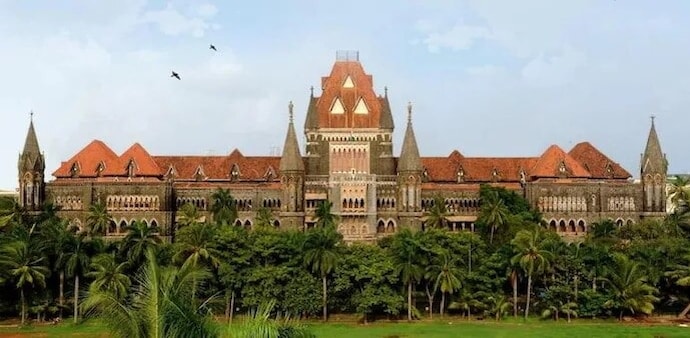
In a major decision, the Bombay High Court division bench of Justice Manish Pitale and Justice Shreeram V Shirsat struck down the Centre’s retrospective one-time spectrum charges levied on telecom operators way back in 2012. It will provide relief of over ₹24,000 crore to telecom service providers—Bharti Airtel and Vodafone Idea. This is not the first time that the government has had to backtrack on retrospective charges.
What is the dispute all about?
The one-time spectrum charge (OTSC) was introduced after the Supreme Court cancelled 122 telecom licences (issued on a first come-first served basis in 2008) in the wake of the 2G telecom scandal of 2012. The Union Cabinet in November 2012 decided to levy OTSC on spectrum holdings beyond a threshold of 6.2MHz in a telecom circle. The country was divided into 22 telecom circles.
Based on that, the Department of Telecommunications (DoT) issued notices to the then telecom operators—Bharti Airtel, Vodafone India and Idea Cellular—to pay for spectrum that they held beyond 6.2MHz with retrospective effect from July 1, 2008, to December 31, 2012. (However, Vodafone India and Idea Cellular merged on August 31, 2018, to form Vodafone Idea.)
The telcos moved the Bombay High Court in January 2013 saying they had already paid the licence fees, entry fees and spectrum usage fees under the terms of the Unified Access Services (UAS) licences. They argued that the government did not have the authority to levy a retrospective fee years after the spectrum allocation was done. The dispute arose from the National Telecom Policy, 1999 which replaced the fixed licence fee regime with a revenue sharing model. The High Court granted interim relief to the petitioners and said no coercive action shall be taken against them pending the hearing.
What was the impact on telcos?
It meant serious financial implications for telecom operators who were offering the lowest rates globally. As if that was not enough, Reliance Jio launched free voice calling and cheap data services in September 2016.
The judgement does not mention the total value of the demands raised. However, in the FY25 annual report, Airtel recorded a contingent liability of ₹6,600 crore towards the one-time spectrum charge. Its total liability rose to ₹16,500 crore as of end-March 2025. Vodafone Idea recorded ₹7,581 crore in this regard.
What did the court rule?
It stated that the Union government, as a licensor, could not unilaterally alter the financial terms of existing telecom licences, or retrospectively impose additional monetary liabilities on them under the licence agreements. It observed that once telecom operators migrated to a revenue-sharing regime under the National Telecom Policy, 1999 (NTP-99), the relationship between the parties was governed by contractual terms.
It also stated that the Telecom Regulatory Authority of India (Trai) had indicated that any OTSC should apply only to spectrum held beyond 10MHz. At that time, Bharti Airtel and Vodafone Idea held only up to 10MHz in the circles.
What does the ruling mean?
This is a major milestone in India’s telecom sector as it looks to eliminate legal and financial uncertainty while providing a better environment for investment in the country. It could well be the steppingstone for clearer policy making in the country. Also, this should now ensure that the government thinks before tweaking policy for short-term gains.
What happens now?
As far as the telecom service providers are concerned, they have won a long battle. However, nothing stops the DoT from moving to the Supreme Court for another look at the case. It remains to be seen whether the government will opt for another long-winded case. Most probably, they will not.
Have there been other retrospective taxation cases in India?
There have been two well-known cases of retrospective taxation. While the Vodafone Group case relates to telecom, the Cairn Energy case relates to the energy sector.
The Vodafone case started in 2007 when the Income-Tax department demanded ₹7,990 crore in capital gains and withholding tax from the Vodafone Group after their $11 billion acquisition of Hong Kong-based Hutchison Whampoa’s telecom assets in India. The tax department argued that even while the deal happened outside India, the assets were located in India which made it taxable here. In 2012, the Supreme Court ruled in favour of Vodafone, stating the existing Income Tax Act did not permit taxing indirect offshore transfers.
The government amended the Finance Act in 2012. Then Vodafone initiated international arbitration under the India Netherlands Bilateral Investment Treaty. The Permanent Court of Arbitration (PCA) ordered India to cease tax recovery and compensate Vodafone for legal costs. In 2021, the government enacted the Taxation Laws (Amendment) Act, 2021, which abolished retrospective tax on offshore indirect transfers before May 2012.
The government sought a $1.6 billion tax demand from Cairn Energy over a 2006 corporate reorganisation. Cairn initiated international arbitration at the PCA. When India refused to pay, Cairn initiated lawsuits to seize Indian state assets in the US, UK and France. It ended in 2022 when India refunded $1.06 billion to settle the international arbitration award.
Essentially, the Indian government has lost both high-profile retrospective taxation cases.
In a major decision, the Bombay High Court division bench of Justice Manish Pitale and Justice Shreeram V Shirsat struck down the Centre’s retrospective one-time spectrum charges levied on telecom operators way back in 2012. It will provide relief of over ₹24,000 crore to telecom service providers—Bharti Airtel and Vodafone Idea. This is not the first time that the government has had to backtrack on retrospective charges.
What is the dispute all about?
The one-time spectrum charge (OTSC) was introduced after the Supreme Court cancelled 122 telecom licences (issued on a first come-first served basis in 2008) in the wake of the 2G telecom scandal of 2012. The Union Cabinet in November 2012 decided to levy OTSC on spectrum holdings beyond a threshold of 6.2MHz in a telecom circle. The country was divided into 22 telecom circles.
Based on that, the Department of Telecommunications (DoT) issued notices to the then telecom operators—Bharti Airtel, Vodafone India and Idea Cellular—to pay for spectrum that they held beyond 6.2MHz with retrospective effect from July 1, 2008, to December 31, 2012. (However, Vodafone India and Idea Cellular merged on August 31, 2018, to form Vodafone Idea.)
The telcos moved the Bombay High Court in January 2013 saying they had already paid the licence fees, entry fees and spectrum usage fees under the terms of the Unified Access Services (UAS) licences. They argued that the government did not have the authority to levy a retrospective fee years after the spectrum allocation was done. The dispute arose from the National Telecom Policy, 1999 which replaced the fixed licence fee regime with a revenue sharing model. The High Court granted interim relief to the petitioners and said no coercive action shall be taken against them pending the hearing.
What was the impact on telcos?
It meant serious financial implications for telecom operators who were offering the lowest rates globally. As if that was not enough, Reliance Jio launched free voice calling and cheap data services in September 2016.
The judgement does not mention the total value of the demands raised. However, in the FY25 annual report, Airtel recorded a contingent liability of ₹6,600 crore towards the one-time spectrum charge. Its total liability rose to ₹16,500 crore as of end-March 2025. Vodafone Idea recorded ₹7,581 crore in this regard.
What did the court rule?
It stated that the Union government, as a licensor, could not unilaterally alter the financial terms of existing telecom licences, or retrospectively impose additional monetary liabilities on them under the licence agreements. It observed that once telecom operators migrated to a revenue-sharing regime under the National Telecom Policy, 1999 (NTP-99), the relationship between the parties was governed by contractual terms.
It also stated that the Telecom Regulatory Authority of India (Trai) had indicated that any OTSC should apply only to spectrum held beyond 10MHz. At that time, Bharti Airtel and Vodafone Idea held only up to 10MHz in the circles.
What does the ruling mean?
This is a major milestone in India’s telecom sector as it looks to eliminate legal and financial uncertainty while providing a better environment for investment in the country. It could well be the steppingstone for clearer policy making in the country. Also, this should now ensure that the government thinks before tweaking policy for short-term gains.
What happens now?
As far as the telecom service providers are concerned, they have won a long battle. However, nothing stops the DoT from moving to the Supreme Court for another look at the case. It remains to be seen whether the government will opt for another long-winded case. Most probably, they will not.
Have there been other retrospective taxation cases in India?
There have been two well-known cases of retrospective taxation. While the Vodafone Group case relates to telecom, the Cairn Energy case relates to the energy sector.
The Vodafone case started in 2007 when the Income-Tax department demanded ₹7,990 crore in capital gains and withholding tax from the Vodafone Group after their $11 billion acquisition of Hong Kong-based Hutchison Whampoa’s telecom assets in India. The tax department argued that even while the deal happened outside India, the assets were located in India which made it taxable here. In 2012, the Supreme Court ruled in favour of Vodafone, stating the existing Income Tax Act did not permit taxing indirect offshore transfers.
The government amended the Finance Act in 2012. Then Vodafone initiated international arbitration under the India Netherlands Bilateral Investment Treaty. The Permanent Court of Arbitration (PCA) ordered India to cease tax recovery and compensate Vodafone for legal costs. In 2021, the government enacted the Taxation Laws (Amendment) Act, 2021, which abolished retrospective tax on offshore indirect transfers before May 2012.
The government sought a $1.6 billion tax demand from Cairn Energy over a 2006 corporate reorganisation. Cairn initiated international arbitration at the PCA. When India refused to pay, Cairn initiated lawsuits to seize Indian state assets in the US, UK and France. It ended in 2022 when India refunded $1.06 billion to settle the international arbitration award.
Essentially, the Indian government has lost both high-profile retrospective taxation cases.