
CAG: States' salary, pension, interest burden up 2.5 times in 10 years
Between 2013-14 and 2022-23, revenue expenditure by states accounted for 80–87 per cent of total expenditure.
- Sep 21, 2025,
- Updated Sep 21, 2025 3:57 PM IST
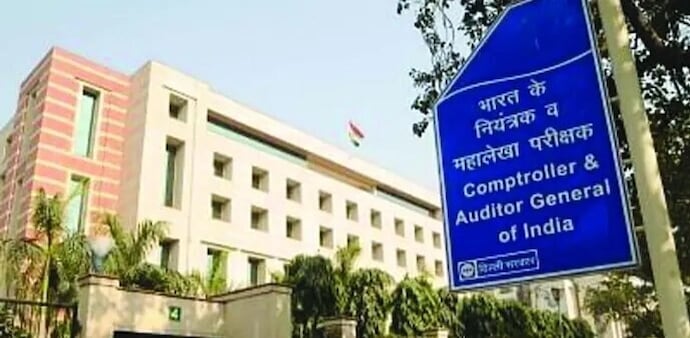
The Comptroller and Auditor General of India (CAG) has reported that the committed expenditure of states on salaries, pensions, and interest payments rose 2.49 times over the past decade, reaching ₹15,63,649 crore in 2022-23 compared with ₹6,26,849 crore in 2013-14.
The report, State Finances 2022-23, described a large share of revenue expenditure as either committed or tied up. Salaries, pensions, and interest on public debt and liabilities were categorized as committed expenditure.
Between 2013-14 and 2022-23, revenue expenditure by states accounted for 80–87 per cent of total expenditure. As a percentage of combined Gross State Domestic Product (GSDP), it was about 13–15 per cent. In 2022-23, revenue expenditure stood at 84.73 per cent of total expenditure and 13.85 per cent of combined GSDP.
Out of the total revenue expenditure of ₹35,95,736 crore in 2022-23, committed expenditure amounted to ₹15,63,649 crore. Subsidies accounted for ₹3,09,625 crore, while grants-in-aid stood at ₹11,26,486 crore. Together, these three components totaled ₹29,99,760 crore, making up more than 83 per cent of total revenue expenditure.
According to the CAG, expenditure on subsidy rose from ₹96,479 crore in 2013-14 to ₹3,09,625 crore in 2022-23. “Over the period 2013-14 to 2022-23, revenue expenditure increased by 2.66 times, committed expenditure increased by 2.49 times, and subsidy increased by 3.21 times,” the report said.
Salaries formed the largest component of committed expenditure, followed by pensionary spending and interest payments. This pattern held for 19 states in 2022-23. In nine states — Andhra Pradesh, Gujarat, Haryana, Karnataka, Punjab, Rajasthan, Tamil Nadu, Telangana and West Bengal — interest payments were higher than pensionary expenditure, pointing to relatively higher debt servicing requirements. In the earlier nine-year period from 2013-14 to 2021-22, interest payments had been the second largest component after salaries.
The CAG also examined revenue balance targets. In 2022-23, 17 states targeted revenue surplus, five targeted revenue deficit, and six targeted zero revenue deficit. Of the 17 states aiming for surplus, five — Assam, Bihar, Himachal Pradesh, Meghalaya and Rajasthan — ended up in deficit, while 12 achieved surplus.
Among the five states targeting revenue deficits, Andhra Pradesh (3.30 per cent), Haryana (0.98 per cent), Karnataka (0.78 per cent), Maharashtra (1.42 per cent) and Punjab (1.99 per cent), Karnataka turned surplus, Maharashtra stayed within its target, and the other three breached their targets.
Of the 12 states in revenue deficit in 2022-23, nine — Andhra Pradesh, Assam, Himachal Pradesh, Kerala, Meghalaya, Punjab, Rajasthan, Tamil Nadu and West Bengal — received Finance Commission revenue deficit grants during the year.
(With inputs from PTI)
The Comptroller and Auditor General of India (CAG) has reported that the committed expenditure of states on salaries, pensions, and interest payments rose 2.49 times over the past decade, reaching ₹15,63,649 crore in 2022-23 compared with ₹6,26,849 crore in 2013-14.
The report, State Finances 2022-23, described a large share of revenue expenditure as either committed or tied up. Salaries, pensions, and interest on public debt and liabilities were categorized as committed expenditure.
Between 2013-14 and 2022-23, revenue expenditure by states accounted for 80–87 per cent of total expenditure. As a percentage of combined Gross State Domestic Product (GSDP), it was about 13–15 per cent. In 2022-23, revenue expenditure stood at 84.73 per cent of total expenditure and 13.85 per cent of combined GSDP.
Out of the total revenue expenditure of ₹35,95,736 crore in 2022-23, committed expenditure amounted to ₹15,63,649 crore. Subsidies accounted for ₹3,09,625 crore, while grants-in-aid stood at ₹11,26,486 crore. Together, these three components totaled ₹29,99,760 crore, making up more than 83 per cent of total revenue expenditure.
According to the CAG, expenditure on subsidy rose from ₹96,479 crore in 2013-14 to ₹3,09,625 crore in 2022-23. “Over the period 2013-14 to 2022-23, revenue expenditure increased by 2.66 times, committed expenditure increased by 2.49 times, and subsidy increased by 3.21 times,” the report said.
Salaries formed the largest component of committed expenditure, followed by pensionary spending and interest payments. This pattern held for 19 states in 2022-23. In nine states — Andhra Pradesh, Gujarat, Haryana, Karnataka, Punjab, Rajasthan, Tamil Nadu, Telangana and West Bengal — interest payments were higher than pensionary expenditure, pointing to relatively higher debt servicing requirements. In the earlier nine-year period from 2013-14 to 2021-22, interest payments had been the second largest component after salaries.
The CAG also examined revenue balance targets. In 2022-23, 17 states targeted revenue surplus, five targeted revenue deficit, and six targeted zero revenue deficit. Of the 17 states aiming for surplus, five — Assam, Bihar, Himachal Pradesh, Meghalaya and Rajasthan — ended up in deficit, while 12 achieved surplus.
Among the five states targeting revenue deficits, Andhra Pradesh (3.30 per cent), Haryana (0.98 per cent), Karnataka (0.78 per cent), Maharashtra (1.42 per cent) and Punjab (1.99 per cent), Karnataka turned surplus, Maharashtra stayed within its target, and the other three breached their targets.
Of the 12 states in revenue deficit in 2022-23, nine — Andhra Pradesh, Assam, Himachal Pradesh, Kerala, Meghalaya, Punjab, Rajasthan, Tamil Nadu and West Bengal — received Finance Commission revenue deficit grants during the year.
(With inputs from PTI)