
'Ceasefire is only a pause, India must use all...': Former Army Chief on DIME strategy to change Pakistan's behaviour
"It is only the pause button that has been hit,” MM Naravane said, referring to the announcement of cessation of military operations that came into effect at 1700 hours on May 10.
- May 12, 2025,
- Updated May 12, 2025 7:59 PM IST
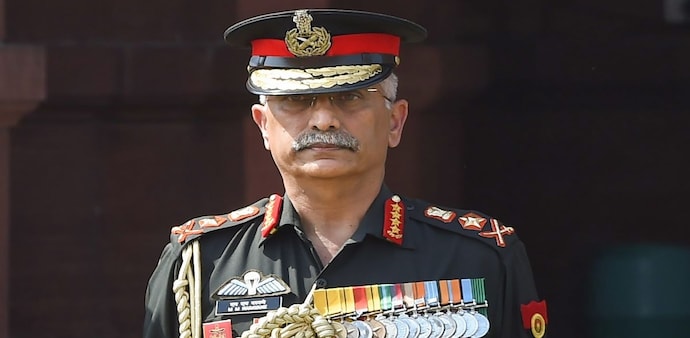
Former Army Chief General Manoj Mukund Naravane on Monday suggested that the ceasefire along the western front was only a temporary halt, not a resolution, and stressed that India must continue to disrupt terror networks through all means available. His remarks come days after a dramatic de-escalation after three days of strikes and counter-strikes between India and Pakistan.
"It is only the pause button that has been hit,” Naravane said, referring to the announcement of cessation of military operations that came into effect at 1700 hours on May 10. “Use all means to disrupt terror networks and camps,” he wrote in ThePrint. He underlined that India retains the right to act militarily at a time and place of its choosing.
In a detailed assessment of the week-long conflict and its aftermath, Naravane said the Indian Armed Forces had delivered “decisive blows” not just to terrorist camps but also to the Pakistani military establishment. “The guns have fallen silent and an uneasy quiet has descended over the Western front,” he noted. “What a tumultuous week it has been.”
Naravane confirmed that hectic backchannel efforts led to the ceasefire agreement, reached without pre-conditions. Further discussions will now determine the framework for a more lasting truce. “Without any unnecessary chest-thumping, our Armed Forces acquitted themselves creditably and succeeded in achieving all operational objectives,” he said.
He argued that military action must be integrated into a larger strategic framework involving Diplomacy, Information, Military and Economy — the DIME construct. “Military force must and will be used, as often as required, but it will have to be part of the overall plan under the DIME rubric, to bring about a behavioural change in Pakistan,” he said.
Naravane cited global precedents to support the approach. He pointed to the international campaign against apartheid in South Africa, which succeeded after sustained diplomatic, economic and cultural pressure, along with military support to internal resistance. In contrast, he said, China's use of the DIME model to isolate Taiwan has constrained but not changed its democratic stance — showing the limitations of the approach.
Applying the DIME framework to India's current situation, Naravane laid out a multi-pronged course of action.
On the diplomatic front, he suggested leading international efforts to isolate Pakistan in multilateral forums like the UN, SCO and OIC, pushing for its continued FATF grey/blacklisting, and forging stronger ties with Gulf, ASEAN and African nations. “We cannot passively wait for the next terrorist strike,” he said, urging insistence on verifiable dismantling of terror infrastructure.
Information warfare, according to him, should expose Pakistan's terror links through global campaigns and media diplomacy. He highlighted visuals showing Pakistani military personnel attending funerals of known terrorists and giving them a “Guard of Honour.” Naravane said this narrative must be pushed internationally, including through diaspora networks.
On the military side, the former top army general emphasised the need for continued readiness. "Maintain readiness for further calibrated strikes," he said. Strengthening LoC defences, enhancing intelligence, and disrupting terror networks must remain a priority. "This would raise costs for Pakistan, deter any overt action or military misadventure a-la Kargil, and create space for diplomatic de-escalation on favourable terms."
Economically, he called for pushing targeted sanctions on terror actors, maintaining trade suspension, and influencing financial institutions like the IMF and World Bank to attach counter-terror conditions to aid. "Promote economic integration such as the India-Middle East–Europe corridor that bypasses Pakistan," he said, adding that this could pressure Pakistan's elite and reduce its ability to support proxy warfare.
Naravane cautioned that a cornered Pakistan could be more dangerous. He advocated embedding "unstated exit offers" in India's pressure strategy — such as conditional easing of measures — if Pakistan demonstrates verified dismantling of terror groups and delinks its foreign policy from proxy conflict.
He noted that while the Pahalgam tragedy had been avenged, the long-term challenge remained. “Whether such a restrained long-term policy is the best course of action remains to be seen,” he said. “The guns have fallen silent – but for how long?”
Former Army Chief General Manoj Mukund Naravane on Monday suggested that the ceasefire along the western front was only a temporary halt, not a resolution, and stressed that India must continue to disrupt terror networks through all means available. His remarks come days after a dramatic de-escalation after three days of strikes and counter-strikes between India and Pakistan.
"It is only the pause button that has been hit,” Naravane said, referring to the announcement of cessation of military operations that came into effect at 1700 hours on May 10. “Use all means to disrupt terror networks and camps,” he wrote in ThePrint. He underlined that India retains the right to act militarily at a time and place of its choosing.
In a detailed assessment of the week-long conflict and its aftermath, Naravane said the Indian Armed Forces had delivered “decisive blows” not just to terrorist camps but also to the Pakistani military establishment. “The guns have fallen silent and an uneasy quiet has descended over the Western front,” he noted. “What a tumultuous week it has been.”
Naravane confirmed that hectic backchannel efforts led to the ceasefire agreement, reached without pre-conditions. Further discussions will now determine the framework for a more lasting truce. “Without any unnecessary chest-thumping, our Armed Forces acquitted themselves creditably and succeeded in achieving all operational objectives,” he said.
He argued that military action must be integrated into a larger strategic framework involving Diplomacy, Information, Military and Economy — the DIME construct. “Military force must and will be used, as often as required, but it will have to be part of the overall plan under the DIME rubric, to bring about a behavioural change in Pakistan,” he said.
Naravane cited global precedents to support the approach. He pointed to the international campaign against apartheid in South Africa, which succeeded after sustained diplomatic, economic and cultural pressure, along with military support to internal resistance. In contrast, he said, China's use of the DIME model to isolate Taiwan has constrained but not changed its democratic stance — showing the limitations of the approach.
Applying the DIME framework to India's current situation, Naravane laid out a multi-pronged course of action.
On the diplomatic front, he suggested leading international efforts to isolate Pakistan in multilateral forums like the UN, SCO and OIC, pushing for its continued FATF grey/blacklisting, and forging stronger ties with Gulf, ASEAN and African nations. “We cannot passively wait for the next terrorist strike,” he said, urging insistence on verifiable dismantling of terror infrastructure.
Information warfare, according to him, should expose Pakistan's terror links through global campaigns and media diplomacy. He highlighted visuals showing Pakistani military personnel attending funerals of known terrorists and giving them a “Guard of Honour.” Naravane said this narrative must be pushed internationally, including through diaspora networks.
On the military side, the former top army general emphasised the need for continued readiness. "Maintain readiness for further calibrated strikes," he said. Strengthening LoC defences, enhancing intelligence, and disrupting terror networks must remain a priority. "This would raise costs for Pakistan, deter any overt action or military misadventure a-la Kargil, and create space for diplomatic de-escalation on favourable terms."
Economically, he called for pushing targeted sanctions on terror actors, maintaining trade suspension, and influencing financial institutions like the IMF and World Bank to attach counter-terror conditions to aid. "Promote economic integration such as the India-Middle East–Europe corridor that bypasses Pakistan," he said, adding that this could pressure Pakistan's elite and reduce its ability to support proxy warfare.
Naravane cautioned that a cornered Pakistan could be more dangerous. He advocated embedding "unstated exit offers" in India's pressure strategy — such as conditional easing of measures — if Pakistan demonstrates verified dismantling of terror groups and delinks its foreign policy from proxy conflict.
He noted that while the Pahalgam tragedy had been avenged, the long-term challenge remained. “Whether such a restrained long-term policy is the best course of action remains to be seen,” he said. “The guns have fallen silent – but for how long?”