
Census 2027: Cabinet approves ₹11,718 crore, introduces digital tools and caste enumeration
Census 2027 will generate substantial employment, with approximately 1.02 crore man-days to be created. An estimated 18,600 technical workers will be engaged locally, contributing to capacity building and future employment opportunities.
- Dec 12, 2025,
- Updated Dec 12, 2025 4:36 PM IST
In a significant development, the Union Cabinet, led by Prime Minister Narendra Modi, has approved the proposal for the Census of India 2027. The project is set to cost ₹11,718.24 crore and will be the largest administrative exercise globally.
Phases & Schedule
The Census will be conducted in two phases:
- Houselisting & Housing census: From April to September 2026.
- Population Enumeration: In February 2027. However, for the Union Territory of Ladakh, snowbound regions of Jammu & Kashmir, Himachal Pradesh, and Uttarakhand, this will take place in September 2026.
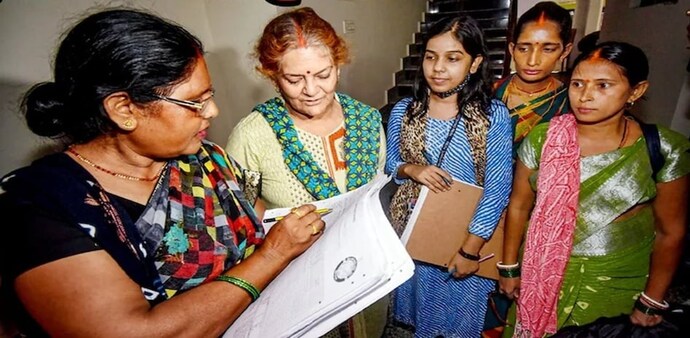
A workforce of about 30 lakh field functionaries will be involved in this massive national task, supported by digital tools like mobile apps for data collection and a Central monitoring portal to ensure high-quality data.
Innovations & Digital initiatives
This will be the first Census in India to utilise digital methods. Key initiatives include:
- Mobile app for data collection available on both Android and iOS platforms.
- Census Management & Monitoring System (CMMS) for real-time process management.
- Self-enumeration options for the public to participate digitally.
- Houselisting Block Creator web map application for Charge Officers.
The Census will also feature a dedicated publicity campaign to ensure nationwide awareness and inclusive participation.
Caste enumeration
In a significant move, the Cabinet Committee on Political Affairs approved the inclusion of caste enumeration in the 2027 Census. This will be captured during the Population Enumeration phase, reflecting India’s socio-demographic diversity.
Employment & Economic impact
Census 2027 will generate substantial employment, with approximately 1.02 crore man-days to be created. An estimated 18,600 technical workers will be engaged locally, contributing to capacity building and future employment opportunities.
This will be the 16th Census in India, and the 8th since independence. It remains a critical source of primary data at the village, town, and ward levels, covering various parameters such as housing, literacy, economic activity, religion, language, and more. The Census process is guided by the Census Act, 1948, and Census Rules, 1990.
In a significant development, the Union Cabinet, led by Prime Minister Narendra Modi, has approved the proposal for the Census of India 2027. The project is set to cost ₹11,718.24 crore and will be the largest administrative exercise globally.
Phases & Schedule
The Census will be conducted in two phases:
- Houselisting & Housing census: From April to September 2026.
- Population Enumeration: In February 2027. However, for the Union Territory of Ladakh, snowbound regions of Jammu & Kashmir, Himachal Pradesh, and Uttarakhand, this will take place in September 2026.
A workforce of about 30 lakh field functionaries will be involved in this massive national task, supported by digital tools like mobile apps for data collection and a Central monitoring portal to ensure high-quality data.
Innovations & Digital initiatives
This will be the first Census in India to utilise digital methods. Key initiatives include:
- Mobile app for data collection available on both Android and iOS platforms.
- Census Management & Monitoring System (CMMS) for real-time process management.
- Self-enumeration options for the public to participate digitally.
- Houselisting Block Creator web map application for Charge Officers.
The Census will also feature a dedicated publicity campaign to ensure nationwide awareness and inclusive participation.
Caste enumeration
In a significant move, the Cabinet Committee on Political Affairs approved the inclusion of caste enumeration in the 2027 Census. This will be captured during the Population Enumeration phase, reflecting India’s socio-demographic diversity.
Employment & Economic impact
Census 2027 will generate substantial employment, with approximately 1.02 crore man-days to be created. An estimated 18,600 technical workers will be engaged locally, contributing to capacity building and future employment opportunities.
This will be the 16th Census in India, and the 8th since independence. It remains a critical source of primary data at the village, town, and ward levels, covering various parameters such as housing, literacy, economic activity, religion, language, and more. The Census process is guided by the Census Act, 1948, and Census Rules, 1990.