
Census 2027: India to kick off first digital census with caste data, disabilities from April 1
The upcoming exercise will also mark the return of caste enumeration after nearly a century, with caste data to be captured digitally during the population count phase.
- Mar 30, 2026,
- Updated Mar 30, 2026 7:23 PM IST
India is gearing up for its biggest population exercise yet, with Census 2027 set to introduce sweeping changes in how demographic data is collected, even as the government pushes for a more inclusive and tech-driven process.
According to the government’s roadmap, the census will be conducted in two phases — a houselisting exercise starting April 1, 2026, followed by population enumeration in early 2027.
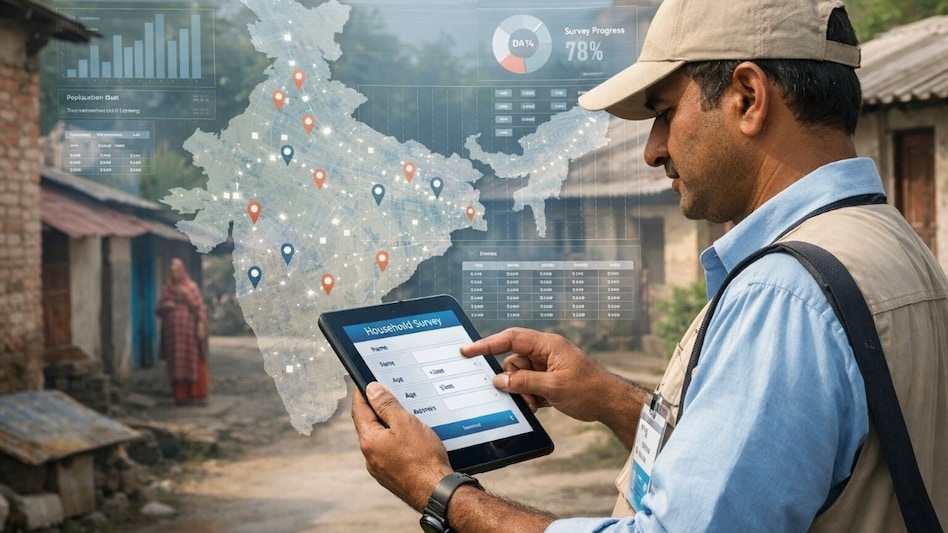
One of the most significant shifts is that Census 2027 will be India’s first fully digital census, with data collected through mobile applications and a dedicated monitoring portal. Citizens will also have the option to self-enumerate online, a move aimed at improving accuracy and participation.
The upcoming exercise will also mark the return of caste enumeration after nearly a century, with caste data to be captured digitally during the population count phase.
In another notable change, the census is expected to broaden its social coverage. Stable live-in couples will be counted as married, reflecting evolving social structures, while all 21 categories of disabilities will be recorded to improve welfare targeting.
Officials have also emphasised the use of technology-driven tools such as real-time monitoring systems and mapping applications to streamline operations, alongside a large-scale workforce deployment running into millions.
The exercise gains added significance as India has not conducted a census since 2011 — the last official headcount — after the 2021 round was deferred due to the COVID-19 pandemic.
With a wider data scope, digital backbone, and inclusion of new socio-economic indicators, Census 2027 is expected to play a critical role in shaping policy, welfare delivery, and future economic planning for the country.
India is gearing up for its biggest population exercise yet, with Census 2027 set to introduce sweeping changes in how demographic data is collected, even as the government pushes for a more inclusive and tech-driven process.
According to the government’s roadmap, the census will be conducted in two phases — a houselisting exercise starting April 1, 2026, followed by population enumeration in early 2027.
One of the most significant shifts is that Census 2027 will be India’s first fully digital census, with data collected through mobile applications and a dedicated monitoring portal. Citizens will also have the option to self-enumerate online, a move aimed at improving accuracy and participation.
The upcoming exercise will also mark the return of caste enumeration after nearly a century, with caste data to be captured digitally during the population count phase.
In another notable change, the census is expected to broaden its social coverage. Stable live-in couples will be counted as married, reflecting evolving social structures, while all 21 categories of disabilities will be recorded to improve welfare targeting.
Officials have also emphasised the use of technology-driven tools such as real-time monitoring systems and mapping applications to streamline operations, alongside a large-scale workforce deployment running into millions.
The exercise gains added significance as India has not conducted a census since 2011 — the last official headcount — after the 2021 round was deferred due to the COVID-19 pandemic.
With a wider data scope, digital backbone, and inclusion of new socio-economic indicators, Census 2027 is expected to play a critical role in shaping policy, welfare delivery, and future economic planning for the country.