
Centre bars cough syrups for children below 2 years, probe rules out toxic contaminants in MP deaths
The move follows a multi-agency investigation into child deaths in Madhya Pradesh, where initial suspicion fell on possible contamination of cough syrups. However, the Health Ministry confirmed that none of the tested samples contained Diethylene Glycol (DEG) or Ethylene Glycol (EG), toxic compounds known to cause acute kidney injury.
- Oct 3, 2025,
- Updated Oct 3, 2025 9:48 PM IST
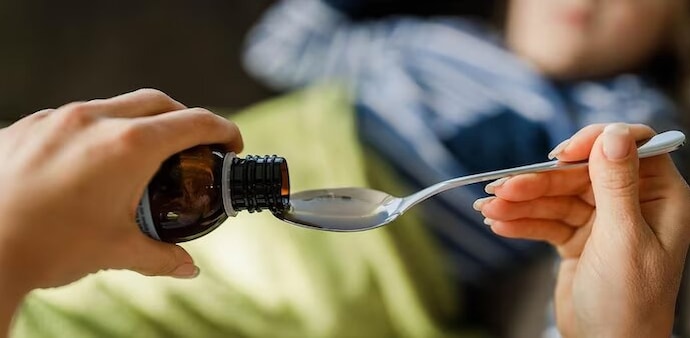
The Union government has barred the prescription of cough and cold medications for children under the age of two following reports of child deaths allegedly linked to contaminated syrups in Madhya Pradesh.
The Directorate General of Health Services (DGHS), under the Union Health Ministry, issued the advisory directing all states and Union Territories to enforce this restriction. It emphasized that cough syrups are generally discouraged for children under five and should only be used in older children after thorough clinical evaluation and under strict supervision.
The advisory, signed by Dr Sunita Sharma of the DGHS, urged healthcare professionals to prescribe such medications only when absolutely necessary. “Judicious and rational prescribing and dispensing of cough syrups for children” must be ensured, it stated. It further advised against multiple drug combinations and stressed the importance of short-term, appropriate dosing when syrups are prescribed.
The move follows a multi-agency investigation into child deaths in Madhya Pradesh, where initial suspicion fell on possible contamination of cough syrups. However, the Health Ministry confirmed that none of the tested samples contained Diethylene Glycol (DEG) or Ethylene Glycol (EG), toxic compounds known to cause acute kidney injury.
“Most acute cough illnesses in children are self-limiting and often resolve without pharmacological intervention,” the advisory stated. Non-drug treatments such as hydration and rest should be the first line of response, it added.
Healthcare facilities and pharmacies must now ensure all products are manufactured under Good Manufacturing Practices and use only pharmaceutical-grade excipients. The DGHS called for nationwide sensitisation of prescribers and dispensers, across both public and private sectors, to implement the new guidance.
A joint team from the National Centre for Disease Control (NCDC), National Institute of Virology (NIV), and Central Drugs Standard Control Organisation (CDSCO) had earlier visited Madhya Pradesh to collect syrup samples. According to the ministry, blood and cerebrospinal fluid tests revealed one case of Leptospirosis, while environmental and biological samples remain under investigation by NEERI and NIV.
The ministry also addressed concerns from Rajasthan, clarifying that the syrup reportedly linked to two child deaths in the state did not contain Propylene Glycol, a common source of DEG/EG contamination. The formulation in question, based on Dextromethorphan, is not approved for pediatric use.
The Union government has barred the prescription of cough and cold medications for children under the age of two following reports of child deaths allegedly linked to contaminated syrups in Madhya Pradesh.
The Directorate General of Health Services (DGHS), under the Union Health Ministry, issued the advisory directing all states and Union Territories to enforce this restriction. It emphasized that cough syrups are generally discouraged for children under five and should only be used in older children after thorough clinical evaluation and under strict supervision.
The advisory, signed by Dr Sunita Sharma of the DGHS, urged healthcare professionals to prescribe such medications only when absolutely necessary. “Judicious and rational prescribing and dispensing of cough syrups for children” must be ensured, it stated. It further advised against multiple drug combinations and stressed the importance of short-term, appropriate dosing when syrups are prescribed.
The move follows a multi-agency investigation into child deaths in Madhya Pradesh, where initial suspicion fell on possible contamination of cough syrups. However, the Health Ministry confirmed that none of the tested samples contained Diethylene Glycol (DEG) or Ethylene Glycol (EG), toxic compounds known to cause acute kidney injury.
“Most acute cough illnesses in children are self-limiting and often resolve without pharmacological intervention,” the advisory stated. Non-drug treatments such as hydration and rest should be the first line of response, it added.
Healthcare facilities and pharmacies must now ensure all products are manufactured under Good Manufacturing Practices and use only pharmaceutical-grade excipients. The DGHS called for nationwide sensitisation of prescribers and dispensers, across both public and private sectors, to implement the new guidance.
A joint team from the National Centre for Disease Control (NCDC), National Institute of Virology (NIV), and Central Drugs Standard Control Organisation (CDSCO) had earlier visited Madhya Pradesh to collect syrup samples. According to the ministry, blood and cerebrospinal fluid tests revealed one case of Leptospirosis, while environmental and biological samples remain under investigation by NEERI and NIV.
The ministry also addressed concerns from Rajasthan, clarifying that the syrup reportedly linked to two child deaths in the state did not contain Propylene Glycol, a common source of DEG/EG contamination. The formulation in question, based on Dextromethorphan, is not approved for pediatric use.