
Centre lifts domestic airfare caps from March 23 after IndiGo crisis, cautions airlines against price surge
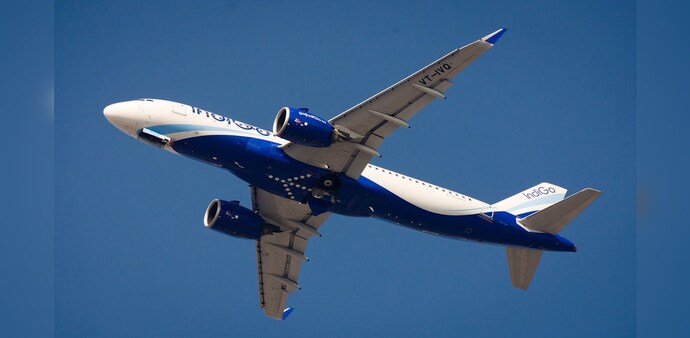
The government had stepped in on December 6, 2025, after widespread disruptions triggered by IndiGo’s pilot-rostering crisis led to a surge in ticket prices on key routes
- Mar 22, 2026,
- Updated Mar 22, 2026 8:32 AM IST
After months of intervention in airline pricing, the government has decided to withdraw the temporary caps on domestic airfares, signalling a return to normalcy in flight operations while cautioning airlines against sharp fare spikes.
The Ministry of Civil Aviation said the decision follows stabilisation across the sector, with flight schedules and capacity now largely restored. The caps, introduced in December last year, will be lifted from March 23, 2026.
Why were fare caps introduced?
The government had stepped in on December 6, 2025, after widespread disruptions triggered by IndiGo’s pilot-rostering crisis led to a surge in ticket prices on key routes.
The caps were intended to prevent steep fare increases during a period of reduced capacity, while ensuring affordability for passengers.
Under the restrictions, one-way economy fares for flights up to 500 km were capped at Rs 7,500. For routes between 1,000 and 1,500 km, including Delhi-Mumbai, fares could not exceed Rs 15,000, while sectors beyond 1,500 km were capped at Rs 18,000.
Govt warns airlines despite rollback
Even as it removes the caps, the government has made it clear that pricing behaviour will remain under scrutiny.
The Ministry has directed airlines to maintain discipline in ticket pricing and ensure fares remain reasonable and transparent, aligned with market conditions.
It warned that any excessive or unjustified surge in airfares, especially during peak travel periods or disruptions, will be viewed seriously.
Monitoring to continue, intervention possible
The government said it will continue to track airfare trends in real time and has kept the option of stepping in again if needed.
It added that it “reserves the right to take appropriate regulatory or administrative measures,” including reintroducing fare controls, if required in the public interest.
The directive has been issued to the Directorate General of Civil Aviation (DGCA), which will monitor pricing patterns across the sector.
After months of intervention in airline pricing, the government has decided to withdraw the temporary caps on domestic airfares, signalling a return to normalcy in flight operations while cautioning airlines against sharp fare spikes.
The Ministry of Civil Aviation said the decision follows stabilisation across the sector, with flight schedules and capacity now largely restored. The caps, introduced in December last year, will be lifted from March 23, 2026.
Why were fare caps introduced?
The government had stepped in on December 6, 2025, after widespread disruptions triggered by IndiGo’s pilot-rostering crisis led to a surge in ticket prices on key routes.
The caps were intended to prevent steep fare increases during a period of reduced capacity, while ensuring affordability for passengers.
Under the restrictions, one-way economy fares for flights up to 500 km were capped at Rs 7,500. For routes between 1,000 and 1,500 km, including Delhi-Mumbai, fares could not exceed Rs 15,000, while sectors beyond 1,500 km were capped at Rs 18,000.
Govt warns airlines despite rollback
Even as it removes the caps, the government has made it clear that pricing behaviour will remain under scrutiny.
The Ministry has directed airlines to maintain discipline in ticket pricing and ensure fares remain reasonable and transparent, aligned with market conditions.
It warned that any excessive or unjustified surge in airfares, especially during peak travel periods or disruptions, will be viewed seriously.
Monitoring to continue, intervention possible
The government said it will continue to track airfare trends in real time and has kept the option of stepping in again if needed.
It added that it “reserves the right to take appropriate regulatory or administrative measures,” including reintroducing fare controls, if required in the public interest.
The directive has been issued to the Directorate General of Civil Aviation (DGCA), which will monitor pricing patterns across the sector.