
Chabahar Port waiver extended: India secures US nod to keep key Afghan-Central Asia route alive
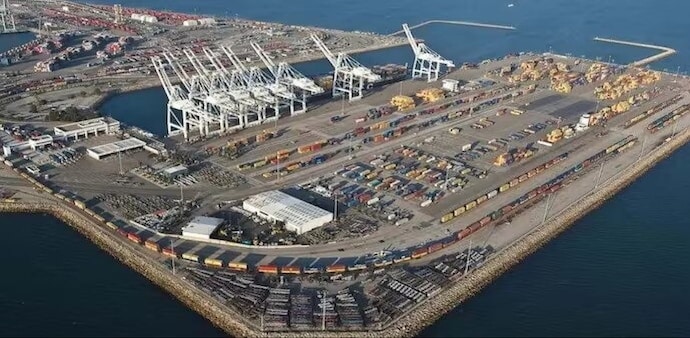
Chabahar Port holds substantial geopolitical and economic significance for India. It serves as a vital gateway to Afghanistan and Central Asia, reducing dependence on routes through Pakistan, which have been fraught with geopolitical challenges.
- Oct 30, 2025,
- Updated Oct 30, 2025 1:43 PM IST
India has secured an extension for the US sanctions waiver on the Chabahar Port, allowing operations to continue until the early part of next year. The US sanctions waiver, which expired this week, has been extended after intense negotiations between India and the US.
This extension is critical for New Delhi's regional connectivity strategy, which relies on the port as a key gateway to Afghanistan and Central Asia, as well as a vital link to Eastern Russia. India argued that the effectiveness of the Chabahar Port is integral to its broader regional connectivity plans. The waiver allows India to continue developing and operating the Shahid Beheshti Terminal at Chabahar through its public sector firm, India Ports Global Limited (IPGL).
The original deadline for the waiver had been set by the US as September 29, but India’s successful negotiations secured an extension until early next year. This comes as a relief to India, which has been using the Chabahar Port to send humanitarian aid and essential supplies to Afghanistan, circumventing Pakistan. In addition to its role in assisting Afghanistan, the port is also a critical link for Central Asian countries such as Uzbekistan and Kazakhstan, providing them with direct access to the Indian Ocean, bypassing traditional routes through Pakistan.
In 2024, India signed a 10-year contract with Iran to operate the Shahid Beheshti Terminal, cementing its long-term commitment to the port. The agreement has made IPGL responsible for managing the port’s operations and infrastructure development, while promoting the establishment of trade routes that link the region through both sea and land. This commitment to the development of Chabahar reflects India’s strategic and economic priorities in the region.
Chabahar Port holds substantial geopolitical and economic significance for India. It serves as a vital gateway to Afghanistan and Central Asia, reducing dependence on routes through Pakistan, which have been fraught with geopolitical challenges. The port is also a critical component of the International North-South Transport Corridor (INSTC), a multimodal trade route designed to connect India, Iran, Russia, and several Central Asian countries.
Despite the ongoing US sanctions on Iran, particularly those targeting the country’s financial and energy sectors, the Chabahar Port has repeatedly secured exemptions since 2018. The US had initially imposed sanctions as part of its "maximum pressure" policy aimed at isolating the Iranian regime. The US Department of State, in its statement from September 16, made it clear that revoking the waivers was part of this policy and warned that entities continuing operations at Chabahar risked exposure to sanctions.
However, recognising the humanitarian and strategic significance of the port, the US has granted these exemptions in the past, and this latest extension is seen as further recognition of the port’s critical role in the region.
India has secured an extension for the US sanctions waiver on the Chabahar Port, allowing operations to continue until the early part of next year. The US sanctions waiver, which expired this week, has been extended after intense negotiations between India and the US.
This extension is critical for New Delhi's regional connectivity strategy, which relies on the port as a key gateway to Afghanistan and Central Asia, as well as a vital link to Eastern Russia. India argued that the effectiveness of the Chabahar Port is integral to its broader regional connectivity plans. The waiver allows India to continue developing and operating the Shahid Beheshti Terminal at Chabahar through its public sector firm, India Ports Global Limited (IPGL).
The original deadline for the waiver had been set by the US as September 29, but India’s successful negotiations secured an extension until early next year. This comes as a relief to India, which has been using the Chabahar Port to send humanitarian aid and essential supplies to Afghanistan, circumventing Pakistan. In addition to its role in assisting Afghanistan, the port is also a critical link for Central Asian countries such as Uzbekistan and Kazakhstan, providing them with direct access to the Indian Ocean, bypassing traditional routes through Pakistan.
In 2024, India signed a 10-year contract with Iran to operate the Shahid Beheshti Terminal, cementing its long-term commitment to the port. The agreement has made IPGL responsible for managing the port’s operations and infrastructure development, while promoting the establishment of trade routes that link the region through both sea and land. This commitment to the development of Chabahar reflects India’s strategic and economic priorities in the region.
Chabahar Port holds substantial geopolitical and economic significance for India. It serves as a vital gateway to Afghanistan and Central Asia, reducing dependence on routes through Pakistan, which have been fraught with geopolitical challenges. The port is also a critical component of the International North-South Transport Corridor (INSTC), a multimodal trade route designed to connect India, Iran, Russia, and several Central Asian countries.
Despite the ongoing US sanctions on Iran, particularly those targeting the country’s financial and energy sectors, the Chabahar Port has repeatedly secured exemptions since 2018. The US had initially imposed sanctions as part of its "maximum pressure" policy aimed at isolating the Iranian regime. The US Department of State, in its statement from September 16, made it clear that revoking the waivers was part of this policy and warned that entities continuing operations at Chabahar risked exposure to sanctions.
However, recognising the humanitarian and strategic significance of the port, the US has granted these exemptions in the past, and this latest extension is seen as further recognition of the port’s critical role in the region.