
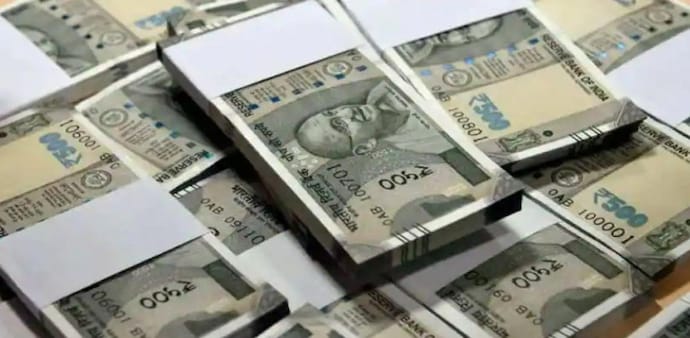
Chandrababu Naidu wants Rs 500 notes scrapped. ISB professor warns: 'Would be too disruptive'
I was the one who gave input for the digital currency report. I had urged the Prime Minister to consider this earlier, and I am demanding it again now, says Chandrababu Naidu
- Nov 10, 2026,
- Updated Nov 10, 2026 3:29 PM IST
Prasanna Tantri, Associate Professor of Finance at the Indian School of Business (ISB), has cautioned against an outright ban on Rs 500 currency notes.
On Monday, Andhra Pradesh Chief Minister N Chandrababu Naidu demanded that high-denomination currency should be phased out.
Tantri said the government and the Reserve Bank of India (RBI) should first examine why cash holdings remain high despite a decade of rapid growth in digital payments.
"The Hon'ble Chief Minister of Andhra Pradesh, Mr Chandrababu Naidu, has called for phasing out the ₹500 note. An outright ban would be too disruptive at this stage. But after a decade of digital payments, why does India still hold so much cash?" Tantri said.
Read More: Trump loses, rupee gains: How US midterm elections triggered a turnaround in India's currency
He pointed to India's currency in circulation, which stood at Rs 43.47 lakh crore by mid-October, accounting for nearly 12% of projected GDP.
"That is roughly the same share as before demonetisation, when digital payments were far less common. Currency was growing at 13.5% year on year, faster than the 10.3% nominal GDP growth recorded in April–June," Tantri said.
Tantri raises questions over cash withdrawals
The ISB professor said policymakers need to understand where cash is being withdrawn, what drives demand and how much of the money remains idle.
"Where and when do cash withdrawals spike? Do cooperative banks show a different pattern even after accounting for the customers they serve? Does the quality of bank oversight matter? Do people withdraw more when deposit rates fall? Do some merchants prefer cash because they mistakenly believe accepting digital payments will increase their tax bill?" he asked.
The professor said the RBI and the government have access to information that could help answer these questions.
"What transactions does this cash finance, and how much of it sits idle? Outside researchers lack the detailed data to answer these questions. The RBI and the government can do this research: withdrawal records can show where and when people take out cash, while field intelligence and surveys of households and merchants can help explain why," he said. "I hope they undertake this exercise and share what they learn before deciding the fate of the ₹500 note."
Chandrababu Naidu renews demand to scrap Rs 500 notes
Naidu has called for scrapping high-denomination currency notes, arguing that reducing large cash transactions could help tackle corruption.
He said he had previously raised the proposal with Prime Minister Narendra Modi and would continue pressing for it.
"I was the one who gave inputs for the digital currency report. I had urged the Prime Minister to consider this earlier, and I am demanding it again now. I will keep raising this issue. Currency denominations of Rs 500, Rs 1,000 and Rs 2,000 should be scrapped. Only Rs 100 and Rs 200 notes should remain," Naidu said.
The Telugu Desam Party (TDP) chief also advocated greater use of digital currency and technology-driven governance to address corruption and economic challenges.
His comments came a day after the tenth anniversary of demonetisation. On November 8, 2016, the Narendra Modi government withdrew the then-existing Rs 500 and Rs 1,000 notes, citing black money, counterfeit currency and corruption.
New Rs 500 notes were subsequently introduced. The RBI withdrew Rs 2,000 notes from circulation in 2023.