
Cleaner fuel, rougher rides? India’s ethanol milestone brings strategic gains and complaints. Here’s why
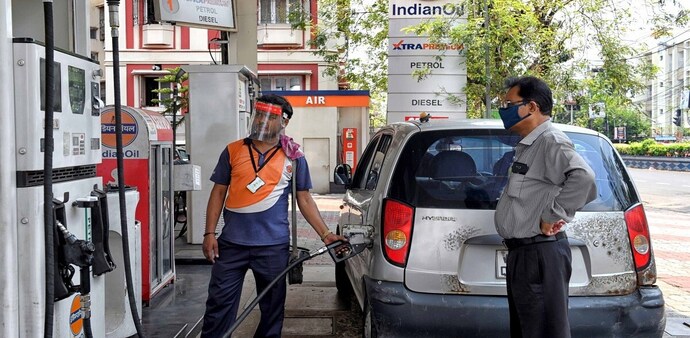
A key point of contention is the lack of fuel labelling — many consumers are unaware whether they are filling up with E10 or E20, often ending up with the wrong blend for their vehicle.
- Aug 4, 2025,
- Updated Aug 4, 2025 3:30 PM IST
India has achieved 20% ethanol blending in petrol five years ahead of its original 2030 target, Union Petroleum and Natural Gas Minister Hardeep Singh Puri announced on July 24. While the milestone has been hailed as a major push toward renewable energy and energy independence, it has sparked growing concerns among vehicle owners and industry experts over fuel compatibility and long-term engine damage.
Consumer backlash over E20 fuel
Vehicles manufactured before 2023 are not designed to run on E20 — petrol blended with 20% ethanol — and their continued use with this fuel is causing increased complaints of engine knocking, lower mileage, rough idling, and performance issues. Drivers have also reported cases of damaged fuel systems and clogged injectors.
Motorists have taken to social media and consumer forums, demanding that the government provide both ethanol-blended and pure petrol options at fuel stations. A key point of contention is the lack of fuel labelling — many consumers are unaware whether they are filling up with E10 or E20, often ending up with the wrong blend for their vehicle.
Automakers raise red flags
Auto manufacturers have cautioned that older vehicle models were calibrated for E10 fuels and are not covered under warranty for damage caused by higher ethanol blends like E20. Only newer models — those manufactured post-2023 — come equipped with ethanol-resistant components, upgraded engine control units (ECUs), and hardened fuel system parts to handle the corrosive nature of ethanol.
Manufacturers have urged the government to adopt a phased rollout, ensuring better consumer awareness and fuel pump labelling, to prevent unintentional damage and warranty complications.
Why ethanol blending matters
Ethanol is a renewable, plant-derived fuel — typically from sugarcane, corn, or biomass — and is seen as a cleaner alternative to fossil fuels. Blending it with petrol helps:
- Reduce greenhouse gas emissions
- Lower crude oil imports
- Support rural farming economies
India’s National Ethanol Blending Programme (NEBP) aims to improve energy security while contributing to climate goals. The rapid adoption of E20 is part of that broader mission.
Trade-offs in performance
While ethanol burns cleaner than petrol, it comes with mechanical drawbacks:
- Ethanol is hygroscopic, absorbing water from the atmosphere, which can corrode metal fuel tanks and components.
- It degrades rubber and plastic parts faster than petrol, leading to fuel leaks, damaged gaskets, and clogged injectors.
- Engines not optimized for E20 can experience starting issues, reduced power, and higher maintenance costs.
Global ethanol blending snapshot
India joins several countries in the ethanol push:
- Brazil: Global leader with E27 and E100 for flex-fuel vehicles
- USA: E10 nationwide, E15/E85 in select states
- China: E10 rollout under way
- France, Germany: Common use of E5–E10
- Sweden: Strong flex-fuel adoption, E85 widely used
In Asia, Thailand offers E10, E20, and E85 with consumer incentives, while Pakistan and China are in early or variable stages of implementation.
Road ahead
While the government’s ethanol blending achievement is a landmark moment for India’s green energy goals, consumer grievances over engine damage and lack of choice suggest a need for better fuel labelling, public awareness campaigns, and possibly a dual-fuel distribution system — especially until the vehicle fleet catches up with new fuel technologies.
India has achieved 20% ethanol blending in petrol five years ahead of its original 2030 target, Union Petroleum and Natural Gas Minister Hardeep Singh Puri announced on July 24. While the milestone has been hailed as a major push toward renewable energy and energy independence, it has sparked growing concerns among vehicle owners and industry experts over fuel compatibility and long-term engine damage.
Consumer backlash over E20 fuel
Vehicles manufactured before 2023 are not designed to run on E20 — petrol blended with 20% ethanol — and their continued use with this fuel is causing increased complaints of engine knocking, lower mileage, rough idling, and performance issues. Drivers have also reported cases of damaged fuel systems and clogged injectors.
Motorists have taken to social media and consumer forums, demanding that the government provide both ethanol-blended and pure petrol options at fuel stations. A key point of contention is the lack of fuel labelling — many consumers are unaware whether they are filling up with E10 or E20, often ending up with the wrong blend for their vehicle.
Automakers raise red flags
Auto manufacturers have cautioned that older vehicle models were calibrated for E10 fuels and are not covered under warranty for damage caused by higher ethanol blends like E20. Only newer models — those manufactured post-2023 — come equipped with ethanol-resistant components, upgraded engine control units (ECUs), and hardened fuel system parts to handle the corrosive nature of ethanol.
Manufacturers have urged the government to adopt a phased rollout, ensuring better consumer awareness and fuel pump labelling, to prevent unintentional damage and warranty complications.
Why ethanol blending matters
Ethanol is a renewable, plant-derived fuel — typically from sugarcane, corn, or biomass — and is seen as a cleaner alternative to fossil fuels. Blending it with petrol helps:
- Reduce greenhouse gas emissions
- Lower crude oil imports
- Support rural farming economies
India’s National Ethanol Blending Programme (NEBP) aims to improve energy security while contributing to climate goals. The rapid adoption of E20 is part of that broader mission.
Trade-offs in performance
While ethanol burns cleaner than petrol, it comes with mechanical drawbacks:
- Ethanol is hygroscopic, absorbing water from the atmosphere, which can corrode metal fuel tanks and components.
- It degrades rubber and plastic parts faster than petrol, leading to fuel leaks, damaged gaskets, and clogged injectors.
- Engines not optimized for E20 can experience starting issues, reduced power, and higher maintenance costs.
Global ethanol blending snapshot
India joins several countries in the ethanol push:
- Brazil: Global leader with E27 and E100 for flex-fuel vehicles
- USA: E10 nationwide, E15/E85 in select states
- China: E10 rollout under way
- France, Germany: Common use of E5–E10
- Sweden: Strong flex-fuel adoption, E85 widely used
In Asia, Thailand offers E10, E20, and E85 with consumer incentives, while Pakistan and China are in early or variable stages of implementation.
Road ahead
While the government’s ethanol blending achievement is a landmark moment for India’s green energy goals, consumer grievances over engine damage and lack of choice suggest a need for better fuel labelling, public awareness campaigns, and possibly a dual-fuel distribution system — especially until the vehicle fleet catches up with new fuel technologies.