
Cold wave in north India: Delhi shivers at 3°C, IMD warns of chilly days ahead
Delhi recorded a minimum temperature of 3 degrees Celsius, which was 4.4 degrees below normal, while humidity levels touched 100 per cent in the early morning hours.
- Jan 13, 2026,
- Updated Jan 13, 2026 9:37 AM IST
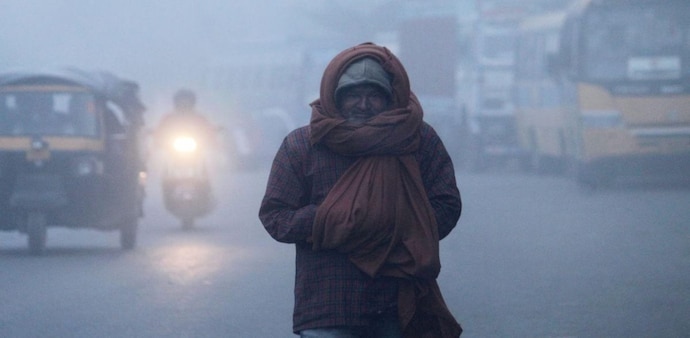
Delhi shivered through its coldest morning of the season on Tuesday as temperatures plunged close to the freezing mark across large parts of north India. The national capital recorded a minimum temperature of 3 degrees Celsius, which was 4.4 degrees below normal, while humidity levels touched 100 per cent in the early morning hours.
The sharp dip in temperatures prompted the India Meteorological Department (IMD) to issue an orange alert for cold wave conditions across the Delhi NCR region. On Monday, the city had already seen the minimum temperature fall to 3.2 degrees Celsius, signalling the onset of an intense cold spell.
Meteorologists have forecast that minimum temperatures will hover between 3 degrees Celsius and 5 degrees Celsius on Tuesday, with chilly conditions expected to persist through the week. According to SkyMet, Delhi recorded its "first under 4 degrees Celsius" temperature of the season, marking the second cold wave day this winter.
SkyMet noted, "It is likely to remain the same till this weekend," indicating that the cold conditions are unlikely to ease immediately. The IMD has also forecast cold wave conditions at several locations in Delhi NCR on January 13, with isolated areas likely to be affected on January 14.
As the week progresses, a gradual rise in minimum temperatures is expected. The IMD said temperatures could climb to 5–7 degrees Celsius by January 15 and further rise to 8–10 degrees Celsius between January 17 and 18.
A fresh western disturbance is likely to impact the Western Himalayan region from January 15, which could alter wind patterns and bring some respite to residents of the national capital.
Explaining the expected changes, SkyMet said, "The arrest of freezing winds blowing down the slopes, increase in humidity, and slowing down of breeze may take the pinch out, albeit marginally, on these two days [January 16 and 17]."
SkyMet added that a more noticeable change in weather could be seen next weekend, with the possibility of the season’s first significant winter showers between January 18 and 21, although it is still too early to confirm.
In its official forecast, the IMD said minimum temperatures are likely to remain "appreciably below normal (-3.1 degrees Celsius to -5.0 degrees Celsius)" over the next two days before returning closer to normal levels after January 15.
GP Sharma, president of Skymet Weather Services, said the harshest winter spell typically occurs from mid-January to the end of the month. Addressing concerns over extreme conditions, Sharma said there will not be an "outlier" this year, though cold wave days could be slightly more frequent than usual.
Delhi shivered through its coldest morning of the season on Tuesday as temperatures plunged close to the freezing mark across large parts of north India. The national capital recorded a minimum temperature of 3 degrees Celsius, which was 4.4 degrees below normal, while humidity levels touched 100 per cent in the early morning hours.
The sharp dip in temperatures prompted the India Meteorological Department (IMD) to issue an orange alert for cold wave conditions across the Delhi NCR region. On Monday, the city had already seen the minimum temperature fall to 3.2 degrees Celsius, signalling the onset of an intense cold spell.
Meteorologists have forecast that minimum temperatures will hover between 3 degrees Celsius and 5 degrees Celsius on Tuesday, with chilly conditions expected to persist through the week. According to SkyMet, Delhi recorded its "first under 4 degrees Celsius" temperature of the season, marking the second cold wave day this winter.
SkyMet noted, "It is likely to remain the same till this weekend," indicating that the cold conditions are unlikely to ease immediately. The IMD has also forecast cold wave conditions at several locations in Delhi NCR on January 13, with isolated areas likely to be affected on January 14.
As the week progresses, a gradual rise in minimum temperatures is expected. The IMD said temperatures could climb to 5–7 degrees Celsius by January 15 and further rise to 8–10 degrees Celsius between January 17 and 18.
A fresh western disturbance is likely to impact the Western Himalayan region from January 15, which could alter wind patterns and bring some respite to residents of the national capital.
Explaining the expected changes, SkyMet said, "The arrest of freezing winds blowing down the slopes, increase in humidity, and slowing down of breeze may take the pinch out, albeit marginally, on these two days [January 16 and 17]."
SkyMet added that a more noticeable change in weather could be seen next weekend, with the possibility of the season’s first significant winter showers between January 18 and 21, although it is still too early to confirm.
In its official forecast, the IMD said minimum temperatures are likely to remain "appreciably below normal (-3.1 degrees Celsius to -5.0 degrees Celsius)" over the next two days before returning closer to normal levels after January 15.
GP Sharma, president of Skymet Weather Services, said the harshest winter spell typically occurs from mid-January to the end of the month. Addressing concerns over extreme conditions, Sharma said there will not be an "outlier" this year, though cold wave days could be slightly more frequent than usual.