
'Concentration of wealth is getting worse': Zerodha's Nithin Kamath warns on inequality
The dark inequalities of wealth and opportunity are harder to ignore than ever, says Zerodha CEO
- Apr 28, 2026,
- Updated Apr 28, 2026 1:23 PM IST
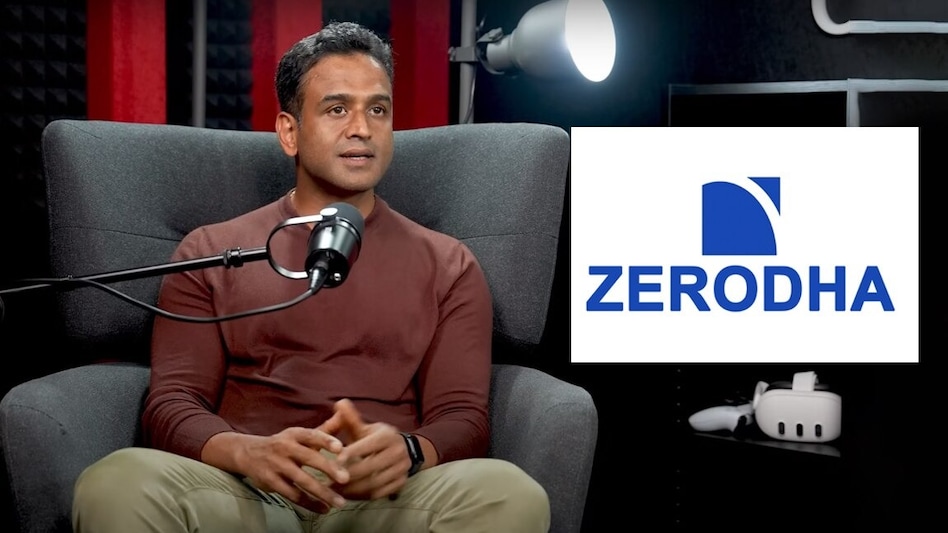
Zerodha co-founder and CEO Nithin Kamath said the concentration of wealth is worsening and warned that wealth parked in financial assets without wider social benefit risks deepening resentment and instability.
In a post reflecting on money, inequality and his own changing views on wealth, Kamath said he began with a modest personal target, but his perspective changed after he joined Zerodha.
"When I started out, like most people, I had a simple wealth goal. I'd actually written it down: hit ₹5 crore, retire in Goa, beach shack, done. That was the dream," he wrote on X.
Don't Miss: Zerodha's Nithin Kamath says 60–70% of F&O volumes come from just 1–2% traders
Kamath, however, said his experience building Zerodha had since altered that perspective. "After the Zerodha journey, I find myself on a very different side of that equation, and the dark inequalities of wealth and opportunity are harder to ignore than ever."
Must Read: What is the point of the World Bank? President Ajay Banga simplifies
Wealth concentration 'severe and getting worse'
The Zerodha CEO further said the concentration of wealth among the richest households had intensified and was getting worse. "We all know the numbers on inequality. The concentration of wealth among the top 1% is severe and getting worse, and it's even starker among the top 0.1%."
He added that the period after the 2008 global financial crisis likely worsened the trend because rising asset prices mainly benefited those who already owned financial assets. "This isn't unique to India. Barring a few exceptions, it's a global phenomenon," he said.
Warning on political and social fallout
Kamath said he would not attribute every political or social problem to inequality, but argued it had played a role in upheavals seen globally. "I'm cautious about attributing every socio-political problem we face today to inequality, but it's hard to deny the role it's played in the political upheavals we're seeing across the world."
He added: "History rarely shows that sustained, extreme inequality ends well."
Kamath compared the current trajectory to "sitting in a car with the brakes cut, watching a cliff approach" and said artificial intelligence carried "a non-trivial probability of making things worse".
'Hoarding wealth' does little good
Kamath said he was not offering simple policy solutions but called for broader recognition that idle wealth can damage social cohesion. "Wealth that just sits in financial assets whose value keeps compounding upward doesn't do much good for anyone beyond those who already have it."
He warned that if wealth was not put to productive or social use, society would face “cynicism, resentment, and worse yet, nihilism”. "What I am saying is that even if a portion of that wealth were channelled into things that could materially improve lives, that seems worth doing. Hoarding wealth, in the grand scheme of things, doesn't really help anyone."
Zerodha co-founder and CEO Nithin Kamath said the concentration of wealth is worsening and warned that wealth parked in financial assets without wider social benefit risks deepening resentment and instability.
In a post reflecting on money, inequality and his own changing views on wealth, Kamath said he began with a modest personal target, but his perspective changed after he joined Zerodha.
"When I started out, like most people, I had a simple wealth goal. I'd actually written it down: hit ₹5 crore, retire in Goa, beach shack, done. That was the dream," he wrote on X.
Don't Miss: Zerodha's Nithin Kamath says 60–70% of F&O volumes come from just 1–2% traders
Kamath, however, said his experience building Zerodha had since altered that perspective. "After the Zerodha journey, I find myself on a very different side of that equation, and the dark inequalities of wealth and opportunity are harder to ignore than ever."
Must Read: What is the point of the World Bank? President Ajay Banga simplifies
Wealth concentration 'severe and getting worse'
The Zerodha CEO further said the concentration of wealth among the richest households had intensified and was getting worse. "We all know the numbers on inequality. The concentration of wealth among the top 1% is severe and getting worse, and it's even starker among the top 0.1%."
He added that the period after the 2008 global financial crisis likely worsened the trend because rising asset prices mainly benefited those who already owned financial assets. "This isn't unique to India. Barring a few exceptions, it's a global phenomenon," he said.
Warning on political and social fallout
Kamath said he would not attribute every political or social problem to inequality, but argued it had played a role in upheavals seen globally. "I'm cautious about attributing every socio-political problem we face today to inequality, but it's hard to deny the role it's played in the political upheavals we're seeing across the world."
He added: "History rarely shows that sustained, extreme inequality ends well."
Kamath compared the current trajectory to "sitting in a car with the brakes cut, watching a cliff approach" and said artificial intelligence carried "a non-trivial probability of making things worse".
'Hoarding wealth' does little good
Kamath said he was not offering simple policy solutions but called for broader recognition that idle wealth can damage social cohesion. "Wealth that just sits in financial assets whose value keeps compounding upward doesn't do much good for anyone beyond those who already have it."
He warned that if wealth was not put to productive or social use, society would face “cynicism, resentment, and worse yet, nihilism”. "What I am saying is that even if a portion of that wealth were channelled into things that could materially improve lives, that seems worth doing. Hoarding wealth, in the grand scheme of things, doesn't really help anyone."