
Countering LPG crisis: Why India is evaluating ethanol cooktops to safeguard kitchens
According to technical briefs issued by the UNEP, these clean-cooking devices achieve thermal efficiency levels of roughly 30 percent, drastically curtailing the reliance on traditional biomass, such as firewood, while mitigating toxic indoor emissions.
- May 26, 2026,
- Updated May 26, 2026 8:30 AM IST
The escalating conflict in West Asia has struck Indian kitchens with unexpected speed, forcing a country heavily reliant on fuel imports to urgently re-evaluate its energy security. With the closure of vital shipping lanes such as the Strait of Hormuz disrupting regular imports from Saudi Arabia and the United Arab Emirates, India’s domestic liquefied petroleum gas (LPG) supply has faced a severe squeeze.
Amid growing anxieties over volatile fossil fuel networks, domestic clean energy advocates are stepping forward with an unconventional solution: alcohol-based cooking.
In a formal appeal addressed to Prime Minister Narendra Modi, the Grain Ethanol Manufacturers Association (GEMA) has strongly advocated for the introduction of ethanol-based cookstoves as a parallel, clean cooking alternative for both residential households and commercial establishments.
MUST READ | Can ethanol replace LPG in Indian homes? Nitin Gadkari unveils new stove tech
Pointing to India's burgeoning fuel demand and its vulnerable reliance on foreign energy corridors, the industry body urged the central government to immediately sanction pilot projects to evaluate the operational practicality and economic viability of ethanol cooktops.
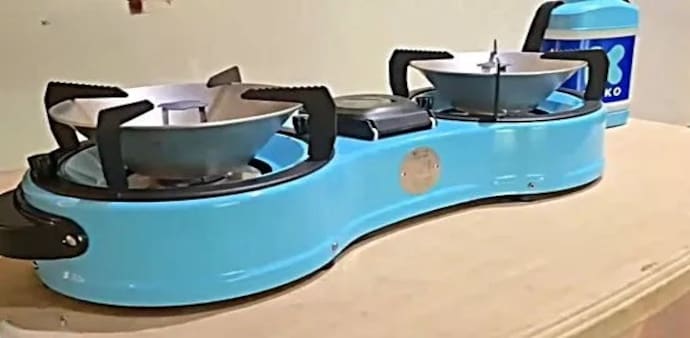
How an ethanol stove works
An ethanol cooktop operates on liquid fuel — specifically form-alcohol or agricultural feedstock — dispensing entirely with the need for high-pressure steel cylinders, specialised regulatory valves, or expansive piped gas infrastructure. The appliance functions through a remarkably straightforward mechanism.
DO CHECKOUT | Is India heading towards 100% ethanol for motor vehicles?
Fuel is stored in an integrated, unpressurised burner container and ignited manually to generate a consistent, localised flame. In advanced variants, the liquid ethanol undergoes controlled evaporation to mix uniformly with ambient air before ignition, optimising thermal output and minimising residual waste.
Efficiency & Environmental benefits
According to technical briefs issued by the United Nations Environment Programme (UNEP), these clean-cooking devices achieve thermal efficiency levels of roughly 30 percent, drastically curtailing the reliance on traditional biomass, such as firewood, while mitigating toxic indoor emissions.
Environmental data underscores that ethanol burns cleanly, yielding a visible, high-heat flame that produces neither soot nor smoke. Certain advanced models, including the specialised stove, claim the capacity to burn a single litre of ethanol to sustain continuous cooking heat for up to 15 hours — a performance metric touted as five times more efficient than standard traditional biomass alternatives.
DON'T MISS | Govt discussing E21 fuel rollout by 2027, may cap ethanol blending at E25
Beyond agricultural ethanol, many of these domestic burners can flexibly operate on methanol due to identical combustion principles, drawing from technologies already deployed across remote European terrains and outdoor expeditions.
Implementation challenges
While the agricultural sector pitches the technology as a timely cushion against external supply shocks, analysts note that completely replacing LPG remains an uphill task for the immediate future. Longitudinal performance assessments published in the journal Energy for Sustainable Development confirm that ethanol cookstoves comfortably match the heat distribution and operational speed of conventional LPG or kerosene systems.
However, systemic hurdles remain. Large-scale domestic availability of retail-grade cooking ethanol is severely restricted, as the vast majority of current domestic ethanol production is heavily earmarked for the government's high-priority transport fuel-blending initiatives. Furthermore, fossil-fuel LPG benefits from decades of deep consumer familiarity and deeply entrenched, last-mile distribution logistics that alternative biofuels cannot replicate overnight.
The escalating conflict in West Asia has struck Indian kitchens with unexpected speed, forcing a country heavily reliant on fuel imports to urgently re-evaluate its energy security. With the closure of vital shipping lanes such as the Strait of Hormuz disrupting regular imports from Saudi Arabia and the United Arab Emirates, India’s domestic liquefied petroleum gas (LPG) supply has faced a severe squeeze.
Amid growing anxieties over volatile fossil fuel networks, domestic clean energy advocates are stepping forward with an unconventional solution: alcohol-based cooking.
In a formal appeal addressed to Prime Minister Narendra Modi, the Grain Ethanol Manufacturers Association (GEMA) has strongly advocated for the introduction of ethanol-based cookstoves as a parallel, clean cooking alternative for both residential households and commercial establishments.
MUST READ | Can ethanol replace LPG in Indian homes? Nitin Gadkari unveils new stove tech
Pointing to India's burgeoning fuel demand and its vulnerable reliance on foreign energy corridors, the industry body urged the central government to immediately sanction pilot projects to evaluate the operational practicality and economic viability of ethanol cooktops.
How an ethanol stove works
An ethanol cooktop operates on liquid fuel — specifically form-alcohol or agricultural feedstock — dispensing entirely with the need for high-pressure steel cylinders, specialised regulatory valves, or expansive piped gas infrastructure. The appliance functions through a remarkably straightforward mechanism.
DO CHECKOUT | Is India heading towards 100% ethanol for motor vehicles?
Fuel is stored in an integrated, unpressurised burner container and ignited manually to generate a consistent, localised flame. In advanced variants, the liquid ethanol undergoes controlled evaporation to mix uniformly with ambient air before ignition, optimising thermal output and minimising residual waste.
Efficiency & Environmental benefits
According to technical briefs issued by the United Nations Environment Programme (UNEP), these clean-cooking devices achieve thermal efficiency levels of roughly 30 percent, drastically curtailing the reliance on traditional biomass, such as firewood, while mitigating toxic indoor emissions.
Environmental data underscores that ethanol burns cleanly, yielding a visible, high-heat flame that produces neither soot nor smoke. Certain advanced models, including the specialised stove, claim the capacity to burn a single litre of ethanol to sustain continuous cooking heat for up to 15 hours — a performance metric touted as five times more efficient than standard traditional biomass alternatives.
DON'T MISS | Govt discussing E21 fuel rollout by 2027, may cap ethanol blending at E25
Beyond agricultural ethanol, many of these domestic burners can flexibly operate on methanol due to identical combustion principles, drawing from technologies already deployed across remote European terrains and outdoor expeditions.
Implementation challenges
While the agricultural sector pitches the technology as a timely cushion against external supply shocks, analysts note that completely replacing LPG remains an uphill task for the immediate future. Longitudinal performance assessments published in the journal Energy for Sustainable Development confirm that ethanol cookstoves comfortably match the heat distribution and operational speed of conventional LPG or kerosene systems.
However, systemic hurdles remain. Large-scale domestic availability of retail-grade cooking ethanol is severely restricted, as the vast majority of current domestic ethanol production is heavily earmarked for the government's high-priority transport fuel-blending initiatives. Furthermore, fossil-fuel LPG benefits from decades of deep consumer familiarity and deeply entrenched, last-mile distribution logistics that alternative biofuels cannot replicate overnight.