
Critical India-EU free trade talks this week amid US tariffs, pressure for more sanctions
India-EU FTA: While 11 chapters, covering areas such as customs, digital trade, and dispute settlement, have been concluded, crucial aspects like rules of origin and market access are still under discussion.
- Sep 8, 2025,
- Updated Sep 8, 2025 9:11 AM IST
India and the European Union are accelerating efforts to finalise a comprehensive free trade agreement (FTA), with two critical rounds of negotiations scheduled in the coming month. These talks aim to address outstanding disputes over rules of origin, market access, and duties on wine and dairy products. The European Commission's agriculture commissioner Christophe Hansen and trade chief Maros Sefcovic are visiting India this week to partake in discussions aimed at sealing the agreement by the end of the year.
The EU remains India's largest trade partner, with bilateral trade in goods reaching $135 billion in the financial year 2023-24. The upcoming talks reflect a concerted effort by both parties to overcome hurdles, including non-tariff barriers, in pursuit of a free trade deal that has eluded them for years. While 11 chapters, covering areas such as customs, digital trade, and dispute settlement, have been concluded, crucial aspects like rules of origin and market access are still under discussion. Officials on both sides are optimistic about resolving these contentious matters and finding the "right equilibrium".
The talks come amid mounting pressures from the US to its allies, including the EU to impose more tariffs and sanctions on Russia and buyers of Russian oil, which includes India. The Trump administration believes that imposing more penalties on buyers of Russian oil would catalyse the collapse of the Russian economy, which would bring Vladimir Putin to the negotiating table.
Beyond trade, India and the EU are also working on transforming their strategic collaboration. Significant steps are being made to expand defence ties and formulate a new politico-strategic vision. The EU is set to unveil this vision on September 17, outlining its future relationship with India. These developments occur amid global geopolitical uncertainties that underscore the importance of a strong India-EU partnership. The annual summit, where these measures are expected to be officially adopted, is likely to take place in India early next year.
The next three months will witness a series of high-level engagements, including visits by the EU's Political and Security Committee and counter-terrorism talks in Brussels. Further, the Standing Committee of the European Parliament on trade is set to visit New Delhi in October, followed by the Indo-Pacific ministerial forum in November. The EU-India Trade and Technology Council (TTC) is also scheduled to meet, highlighting the strategic importance of technological cooperation involving artificial intelligence, quantum computing, and cybersecurity.
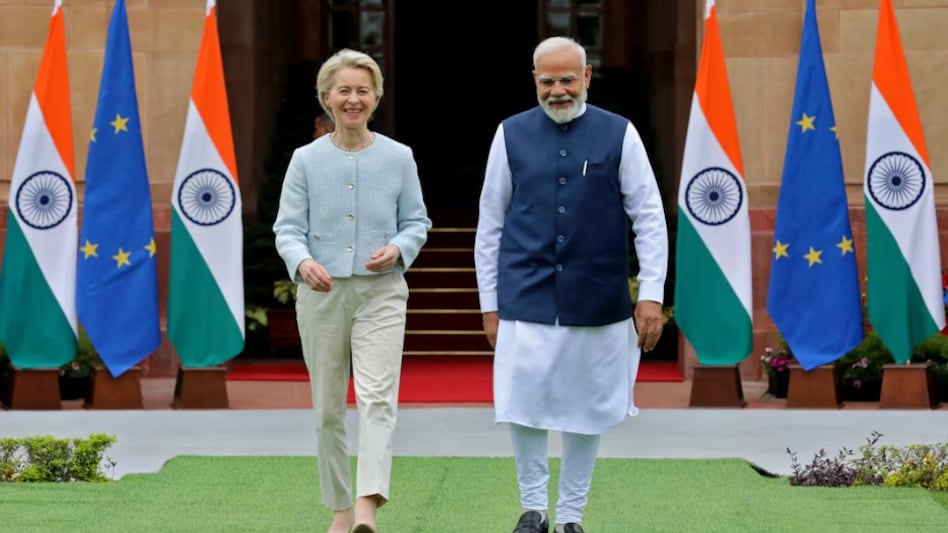
In a recent phone conversation, Prime Minister Narendra Modi reaffirmed with EU leaders Antonio Costa and Ursula von der Leyen the significance of concluding the FTA to foster global stability and promote a rules-based order.
India and the European Union are accelerating efforts to finalise a comprehensive free trade agreement (FTA), with two critical rounds of negotiations scheduled in the coming month. These talks aim to address outstanding disputes over rules of origin, market access, and duties on wine and dairy products. The European Commission's agriculture commissioner Christophe Hansen and trade chief Maros Sefcovic are visiting India this week to partake in discussions aimed at sealing the agreement by the end of the year.
The EU remains India's largest trade partner, with bilateral trade in goods reaching $135 billion in the financial year 2023-24. The upcoming talks reflect a concerted effort by both parties to overcome hurdles, including non-tariff barriers, in pursuit of a free trade deal that has eluded them for years. While 11 chapters, covering areas such as customs, digital trade, and dispute settlement, have been concluded, crucial aspects like rules of origin and market access are still under discussion. Officials on both sides are optimistic about resolving these contentious matters and finding the "right equilibrium".
The talks come amid mounting pressures from the US to its allies, including the EU to impose more tariffs and sanctions on Russia and buyers of Russian oil, which includes India. The Trump administration believes that imposing more penalties on buyers of Russian oil would catalyse the collapse of the Russian economy, which would bring Vladimir Putin to the negotiating table.
Beyond trade, India and the EU are also working on transforming their strategic collaboration. Significant steps are being made to expand defence ties and formulate a new politico-strategic vision. The EU is set to unveil this vision on September 17, outlining its future relationship with India. These developments occur amid global geopolitical uncertainties that underscore the importance of a strong India-EU partnership. The annual summit, where these measures are expected to be officially adopted, is likely to take place in India early next year.
The next three months will witness a series of high-level engagements, including visits by the EU's Political and Security Committee and counter-terrorism talks in Brussels. Further, the Standing Committee of the European Parliament on trade is set to visit New Delhi in October, followed by the Indo-Pacific ministerial forum in November. The EU-India Trade and Technology Council (TTC) is also scheduled to meet, highlighting the strategic importance of technological cooperation involving artificial intelligence, quantum computing, and cybersecurity.
In a recent phone conversation, Prime Minister Narendra Modi reaffirmed with EU leaders Antonio Costa and Ursula von der Leyen the significance of concluding the FTA to foster global stability and promote a rules-based order.