
'Critically injured': Lashkar-e-Taiba co-founder Amir Hamza hospitalised in Lahore
The incident involving Hamza comes just days after another senior LeT figure, Razaullah Nizamani Khalid alias Abu Saifullah Khalid, was shot dead by unidentified gunmen in Sindh province on Sunday.
- May 21, 2025,
- Updated May 21, 2025 12:27 PM IST
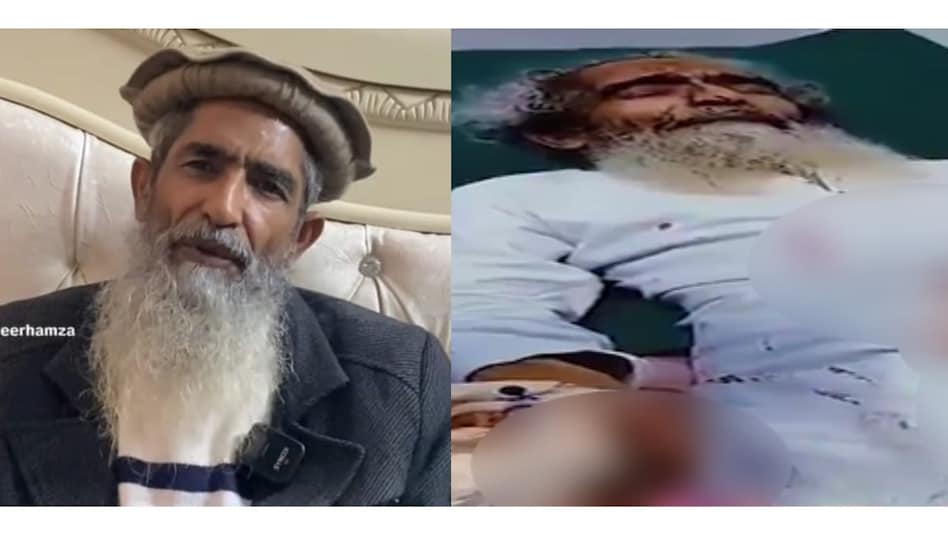
Lashkar-e-Taiba co-founder Amir Hamza was critically injured in an accident at his residence in Lahore and is currently undergoing treatment at a hospital, India Today reported on Wednesday. Initial speculation of gunshot wounds circulated online, but investigations have ruled them out.
Hamza, one of the 17 founding members of the banned terror group Lashkar-e-Taiba (LeT), sustained injuries in what officials described as an accident. Reports on social media suggesting that Hamza had been shot were found to be false upon verification.
A longtime ideologue of LeT, Hamza is known for his inflammatory speeches and writings. He once edited the terror group's official publication and authored several books, including Qafila Da'wat aur Shahadat (Caravan of Proselytising and Martyrdom) in 2002. The US Treasury Department has designated him a sanctioned terrorist, crediting him with roles in fundraising, recruitment, and negotiating the release of captured militants.
Following Pakistan's 2018 crackdown on LeT-linked charities Jamaat-ud-Dawah and Falah-e-Insaniat Foundation, Hamza distanced himself from the LeT. He went on to form a splinter group named Jaish-e-Manqafa, allegedly to continue LeT's militant agenda in regions such as Jammu and Kashmir. The group is believed to operate freely within Pakistan, with Hamza maintaining ties with senior LeT leadership.
The incident involving Hamza comes just days after another senior LeT figure, Razaullah Nizamani Khalid alias Abu Saifullah Khalid, was shot dead by unidentified gunmen in Sindh province on Sunday. Khalid, who once headed LeT's operations from Nepal, was the mastermind of the 2006 RSS headquarters attack in Nagpur. He used multiple aliases including Vinode Kumar, Mohammed Salim, and Razaullah.
Khalid was also linked to the 2005 terror attack on the Indian Institute of Science (IISc) in Bengaluru, which killed IIT professor Munish Chandra Puri and injured four others. He had close ties with another top LeT commander, Abu Anas, who was chargesheeted but remains at large.
In 2008, Khalid orchestrated the deadly assault on a CRPF camp in Rampur, Uttar Pradesh, which left eight people dead. He and his associates managed to escape under the cover of darkness.
From the mid-2000s, Khalid led LeT's Nepal module, facilitating recruitment, logistics, and cross-border movement of operatives. After the module was exposed by Indian agencies, he returned to Pakistan and worked with several key figures, including Yusuf Muzammil, LeT's commander for Jammu and Kashmir; Muzammil Iqbal Hashmi; and Muhammad Yusuf Taibi.
In his final years, Khalid was tasked with reviving recruitment and funding networks in the Sindh province, particularly in Badin and Hyderabad districts, under the directive of LeT and Jamaat-ud-Dawah leadership.
(With inputs from Arvind Ojha)
Lashkar-e-Taiba co-founder Amir Hamza was critically injured in an accident at his residence in Lahore and is currently undergoing treatment at a hospital, India Today reported on Wednesday. Initial speculation of gunshot wounds circulated online, but investigations have ruled them out.
Hamza, one of the 17 founding members of the banned terror group Lashkar-e-Taiba (LeT), sustained injuries in what officials described as an accident. Reports on social media suggesting that Hamza had been shot were found to be false upon verification.
A longtime ideologue of LeT, Hamza is known for his inflammatory speeches and writings. He once edited the terror group's official publication and authored several books, including Qafila Da'wat aur Shahadat (Caravan of Proselytising and Martyrdom) in 2002. The US Treasury Department has designated him a sanctioned terrorist, crediting him with roles in fundraising, recruitment, and negotiating the release of captured militants.
Following Pakistan's 2018 crackdown on LeT-linked charities Jamaat-ud-Dawah and Falah-e-Insaniat Foundation, Hamza distanced himself from the LeT. He went on to form a splinter group named Jaish-e-Manqafa, allegedly to continue LeT's militant agenda in regions such as Jammu and Kashmir. The group is believed to operate freely within Pakistan, with Hamza maintaining ties with senior LeT leadership.
The incident involving Hamza comes just days after another senior LeT figure, Razaullah Nizamani Khalid alias Abu Saifullah Khalid, was shot dead by unidentified gunmen in Sindh province on Sunday. Khalid, who once headed LeT's operations from Nepal, was the mastermind of the 2006 RSS headquarters attack in Nagpur. He used multiple aliases including Vinode Kumar, Mohammed Salim, and Razaullah.
Khalid was also linked to the 2005 terror attack on the Indian Institute of Science (IISc) in Bengaluru, which killed IIT professor Munish Chandra Puri and injured four others. He had close ties with another top LeT commander, Abu Anas, who was chargesheeted but remains at large.
In 2008, Khalid orchestrated the deadly assault on a CRPF camp in Rampur, Uttar Pradesh, which left eight people dead. He and his associates managed to escape under the cover of darkness.
From the mid-2000s, Khalid led LeT's Nepal module, facilitating recruitment, logistics, and cross-border movement of operatives. After the module was exposed by Indian agencies, he returned to Pakistan and worked with several key figures, including Yusuf Muzammil, LeT's commander for Jammu and Kashmir; Muzammil Iqbal Hashmi; and Muhammad Yusuf Taibi.
In his final years, Khalid was tasked with reviving recruitment and funding networks in the Sindh province, particularly in Badin and Hyderabad districts, under the directive of LeT and Jamaat-ud-Dawah leadership.
(With inputs from Arvind Ojha)