
Day after Diwali: Delhi’s AQI hits ‘very poor’ with several areas in severe red zone
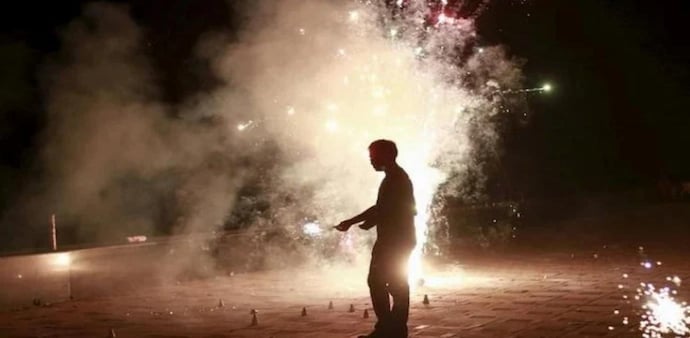
The toxic post-Diwali cocktail of smoke and pollutants left visibility low and prompted health advisories urging residents to avoid non-essential outdoor activity.
- Oct 21, 2025,
- Updated Oct 21, 2025 7:39 AM IST
A day after Diwali celebrations lit up Delhi’s skies, the national capital woke to a suffocating haze as the air quality index (AQI) plunged to a “very poor” 346 on Tuesday morning — with several areas edging into the “severe” category.
Despite the Supreme Court’s green light for “green” firecrackers this year, Delhi’s air deteriorated sharply overnight. As of 10 p.m. Monday, 36 out of 38 monitoring stations were in the red zone, with locations like Wazirpur (423), Dwarka (417), Ashok Vihar (404), and Anand Vihar (404) logging “severe” AQI levels, according to data from the Central Pollution Control Board.
Firecracker emissions, coupled with seasonal stubble burning and dense vehicle traffic, combined to blanket the capital in smog, turning popular areas like Bawana, Jahangirpuri, and Shadipur into pollution hotspots. Most stations recorded AQI levels above 350, including Punjabi Bagh (375), RK Puram (369), and Sonia Vihar (359).
The toxic post-Diwali cocktail of smoke and pollutants left visibility low and prompted health advisories urging residents to avoid non-essential outdoor activity. Authorities warned that even “green” crackers contribute to air pollution, especially when combined with unfavorable weather and crop burning in neighboring states.
While the Supreme Court had hoped regulated fireworks would limit environmental damage, the data tells a different story. Health experts now recommend masking up and staying indoors until air quality returns to at least “moderate” levels.
Delhi’s AQI remains firmly in the “very poor” to “severe” bracket — a stark reminder of the capital’s annual pollution crisis that intensifies every winter.
A day after Diwali celebrations lit up Delhi’s skies, the national capital woke to a suffocating haze as the air quality index (AQI) plunged to a “very poor” 346 on Tuesday morning — with several areas edging into the “severe” category.
Despite the Supreme Court’s green light for “green” firecrackers this year, Delhi’s air deteriorated sharply overnight. As of 10 p.m. Monday, 36 out of 38 monitoring stations were in the red zone, with locations like Wazirpur (423), Dwarka (417), Ashok Vihar (404), and Anand Vihar (404) logging “severe” AQI levels, according to data from the Central Pollution Control Board.
Firecracker emissions, coupled with seasonal stubble burning and dense vehicle traffic, combined to blanket the capital in smog, turning popular areas like Bawana, Jahangirpuri, and Shadipur into pollution hotspots. Most stations recorded AQI levels above 350, including Punjabi Bagh (375), RK Puram (369), and Sonia Vihar (359).
The toxic post-Diwali cocktail of smoke and pollutants left visibility low and prompted health advisories urging residents to avoid non-essential outdoor activity. Authorities warned that even “green” crackers contribute to air pollution, especially when combined with unfavorable weather and crop burning in neighboring states.
While the Supreme Court had hoped regulated fireworks would limit environmental damage, the data tells a different story. Health experts now recommend masking up and staying indoors until air quality returns to at least “moderate” levels.
Delhi’s AQI remains firmly in the “very poor” to “severe” bracket — a stark reminder of the capital’s annual pollution crisis that intensifies every winter.