
Delhi Airport to boost international capacity as Pier C at T3 set to go global
Delhi Airport is set to significantly expand its international capacity as Pier C at Terminal 3 begins global operations from May. The upgrade is expected to boost passenger handling by 50%, supporting India’s growing aviation demand.
- Apr 24, 2026,
- Updated Apr 24, 2026 5:59 PM IST
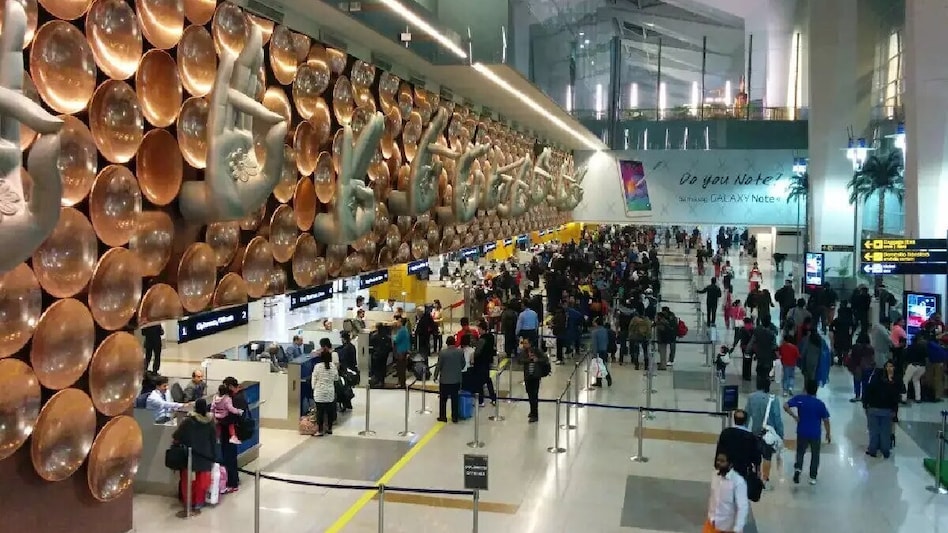
Delhi’s Indira Gandhi International Airport is set to significantly expand its international operations, with Pier C at Terminal 3 scheduled to begin handling overseas flights from the first week of May. The move marks a key step in strengthening the airport’s capacity and positioning it as a major global aviation hub.
Operated by Delhi International Airport Limited (DIAL), a GMR Aero-led consortium, the airport will see its international passenger handling capacity increase by nearly 50% following the transition. This translates into an additional 10 million passengers annually, taking Terminal 3’s total international capacity to an estimated 30–32 million passengers per annum.
From domestic pier to international gateway
Pier C, which has been part of Terminal 3 since its inception, has been repurposed from domestic to international operations without requiring new construction. The strategy focuses on unlocking existing infrastructure capacity while improving efficiency and passenger flow.
MUST READ: DGCA launches probe into SpiceJet, Akasa Air aircraft collision at Delhi airport Terminal 1 bay
DIAL CEO Videh Kumar Jaipuriar said the transformation reflects a forward-looking approach to capacity building. He noted that integrating smart technology with existing infrastructure allows the airport to scale operations while maintaining a strong focus on passenger experience.
Operational upgrade
To support the expanded international operations, several infrastructure and technology upgrades have been introduced. These include 12 additional self-baggage drop counters, increasing efficiency at check-in, and 20 emigration counters, including those under the Trusted Traveller Programme.
Security screening capacity has also been enhanced with five Automatic Tray Retrieval System (ATRS) lanes and dual-view X-ray systems. Additionally, 16 boarding gates have been converted for international use, and 40 extra immigration counters have been added in arrivals to reduce congestion.
Passenger movement within the terminal is expected to improve with the addition of three escalators and four lifts, aimed at easing flow during peak hours.
MUST READ: Air India issues clarification on 'no tika, no bindi' policy for cabin crew
Boost to operations
The upgrade also strengthens airside capabilities. With 16 Code-C aircraft stands, Pier C will support faster aircraft turnaround times and more efficient gate allocation. Importantly, it enhances readiness for wide-body and next-generation aircraft such as the Airbus A350, increasing wide-body handling capacity by around 40%.
This aligns with the expansion plans of both Indian and international airlines, particularly as long-haul and ultra-long-haul travel demand continues to rise.
Passenger experience and retail expansion
Beyond capacity, the redevelopment places emphasis on passenger comfort. The airport plans to roll out an expanded mix of retail and food and beverage offerings, including global brands and new-to-airport concepts. Additional amenities such as lounges, spa services, and charging stations will be introduced in phases.
India’s international air traffic is projected to grow at around 7% in the medium term, and Delhi Airport — already the country’s largest international gateway — plays a central role in accommodating this demand.
With the Pier C transition, the airport is expected to have sufficient international capacity for the next 8–10 years, supporting India’s ambitions to emerge as a global aviation hub.
MUST READ: BT Explainer: Why are Indian overseas travellers preferring European carriers this summer?
Delhi’s Indira Gandhi International Airport is set to significantly expand its international operations, with Pier C at Terminal 3 scheduled to begin handling overseas flights from the first week of May. The move marks a key step in strengthening the airport’s capacity and positioning it as a major global aviation hub.
Operated by Delhi International Airport Limited (DIAL), a GMR Aero-led consortium, the airport will see its international passenger handling capacity increase by nearly 50% following the transition. This translates into an additional 10 million passengers annually, taking Terminal 3’s total international capacity to an estimated 30–32 million passengers per annum.
From domestic pier to international gateway
Pier C, which has been part of Terminal 3 since its inception, has been repurposed from domestic to international operations without requiring new construction. The strategy focuses on unlocking existing infrastructure capacity while improving efficiency and passenger flow.
MUST READ: DGCA launches probe into SpiceJet, Akasa Air aircraft collision at Delhi airport Terminal 1 bay
DIAL CEO Videh Kumar Jaipuriar said the transformation reflects a forward-looking approach to capacity building. He noted that integrating smart technology with existing infrastructure allows the airport to scale operations while maintaining a strong focus on passenger experience.
Operational upgrade
To support the expanded international operations, several infrastructure and technology upgrades have been introduced. These include 12 additional self-baggage drop counters, increasing efficiency at check-in, and 20 emigration counters, including those under the Trusted Traveller Programme.
Security screening capacity has also been enhanced with five Automatic Tray Retrieval System (ATRS) lanes and dual-view X-ray systems. Additionally, 16 boarding gates have been converted for international use, and 40 extra immigration counters have been added in arrivals to reduce congestion.
Passenger movement within the terminal is expected to improve with the addition of three escalators and four lifts, aimed at easing flow during peak hours.
MUST READ: Air India issues clarification on 'no tika, no bindi' policy for cabin crew
Boost to operations
The upgrade also strengthens airside capabilities. With 16 Code-C aircraft stands, Pier C will support faster aircraft turnaround times and more efficient gate allocation. Importantly, it enhances readiness for wide-body and next-generation aircraft such as the Airbus A350, increasing wide-body handling capacity by around 40%.
This aligns with the expansion plans of both Indian and international airlines, particularly as long-haul and ultra-long-haul travel demand continues to rise.
Passenger experience and retail expansion
Beyond capacity, the redevelopment places emphasis on passenger comfort. The airport plans to roll out an expanded mix of retail and food and beverage offerings, including global brands and new-to-airport concepts. Additional amenities such as lounges, spa services, and charging stations will be introduced in phases.
India’s international air traffic is projected to grow at around 7% in the medium term, and Delhi Airport — already the country’s largest international gateway — plays a central role in accommodating this demand.
With the Pier C transition, the airport is expected to have sufficient international capacity for the next 8–10 years, supporting India’s ambitions to emerge as a global aviation hub.
MUST READ: BT Explainer: Why are Indian overseas travellers preferring European carriers this summer?