
Delhi pollution: GRAP-2 regulations in effect from today amid 'very poor' air quality. Details here
The decision was taken after reviewing the air quality scenario in the region, as per the CAQM order.
- Oct 22, 2024,
- Updated Oct 22, 2024 7:49 AM IST
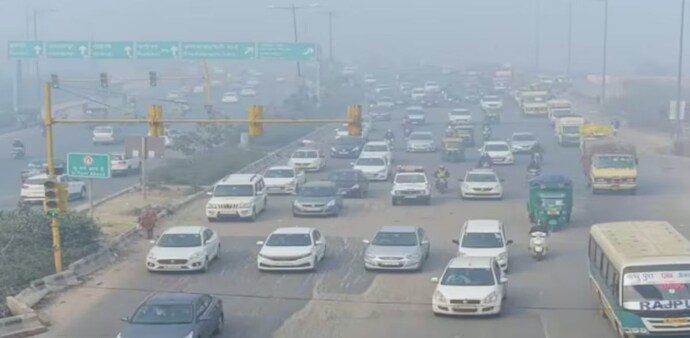
The second stage of the Graded Response Action Plan (GRAP-II), implemented by the Commission for Air Quality Management (CAQM), has come into effect from October 22. The decision was taken after reviewing the air quality scenario in the region, as per the CAQM order.
As of 4 pm on October 21, the national capital's AQI stood at 310, which comes under the 'very poor' category according to the Central Pollution Control Board (CPCB).
"In an effort to prevent further deterioration of the air quality, the Sub-Committee decided that all actions as envisaged under Stage II of the GRAP-Very Poor Air Quality be implemented by all the agencies concerned in the NCR, in addition to the Stage-I actions already in force, from 8:00 A.M. of 22.10.2024 in the National Capital Region (NCR)," the order read.
The India Meteorological Department (IMD) and IIT Madras (IITM) predicted that Delhi's air quality could remain in the 'very poor' category between 301-400 in the coming days. IMD and IITM said this could be due to the unfavourable meteorological and climatic conditions as well as calm winds.
Measures and restrictions under GRAP-II include:
- Carry out mechanical/vacuum sweeping and water sprinkling of the identified roads on a daily basis.
- Ensure water sprinkling along with use of dust suppressants (at least every alternate day, during non-peak hours) on roads to arrest road dust especially at hotspots, heavy traffic corridors, vulnerable areas and proper disposal of dust collected in designated sites/landfills.
- Intensify inspections for strict enforcement of dust control measures at C&D sites.
- Ensure focussed and targeted action for abatement of air pollution in all identified hotspots in NCR. Intensify remedial measures for the predominant sector(s) contributing to adverse air quality in each of such hotspots.
- Ensure uninterrupted power supply to discourage use of alternate power generating sets/equipment (DG sets, etc.).
- Strictly implement the Schedule for regulated operations of DG sets across all sectors in NCR including industrial, commercial, residential, etc. in accordance with Direction No. 76 dated 29.09.2023.
- Synchronise traffic movements and deploy adequate personnel at intersections/traffic congestion points for smooth flow of traffic.
- Alert in newspapers/TV/radio to advise people about air pollution levels and Do's and Don'ts for minimising polluting activities.
- Enhance vehicle parking fees to discourage private transport.
- Augment CNG/electric bus and metro services by inducting additional fleet and increasing the frequency of service.
- Resident Welfare Associations to necessarily provide electric heaters to security staff to avoid open Bio-Mass/MSW burning during winters.
Further, the CAQM directed that dust generating construction activities to be avoided during October to January. It also said the solid waste and bio-mass should not be burned in the open.
The central body urged citizens to people to use public transport and minimise use of personal vehicles and to take a less congested route for commuting. It also advised people to regularly replace air filters in their automobiles at recommended intervals.
The second stage of the Graded Response Action Plan (GRAP-II), implemented by the Commission for Air Quality Management (CAQM), has come into effect from October 22. The decision was taken after reviewing the air quality scenario in the region, as per the CAQM order.
As of 4 pm on October 21, the national capital's AQI stood at 310, which comes under the 'very poor' category according to the Central Pollution Control Board (CPCB).
"In an effort to prevent further deterioration of the air quality, the Sub-Committee decided that all actions as envisaged under Stage II of the GRAP-Very Poor Air Quality be implemented by all the agencies concerned in the NCR, in addition to the Stage-I actions already in force, from 8:00 A.M. of 22.10.2024 in the National Capital Region (NCR)," the order read.
The India Meteorological Department (IMD) and IIT Madras (IITM) predicted that Delhi's air quality could remain in the 'very poor' category between 301-400 in the coming days. IMD and IITM said this could be due to the unfavourable meteorological and climatic conditions as well as calm winds.
Measures and restrictions under GRAP-II include:
- Carry out mechanical/vacuum sweeping and water sprinkling of the identified roads on a daily basis.
- Ensure water sprinkling along with use of dust suppressants (at least every alternate day, during non-peak hours) on roads to arrest road dust especially at hotspots, heavy traffic corridors, vulnerable areas and proper disposal of dust collected in designated sites/landfills.
- Intensify inspections for strict enforcement of dust control measures at C&D sites.
- Ensure focussed and targeted action for abatement of air pollution in all identified hotspots in NCR. Intensify remedial measures for the predominant sector(s) contributing to adverse air quality in each of such hotspots.
- Ensure uninterrupted power supply to discourage use of alternate power generating sets/equipment (DG sets, etc.).
- Strictly implement the Schedule for regulated operations of DG sets across all sectors in NCR including industrial, commercial, residential, etc. in accordance with Direction No. 76 dated 29.09.2023.
- Synchronise traffic movements and deploy adequate personnel at intersections/traffic congestion points for smooth flow of traffic.
- Alert in newspapers/TV/radio to advise people about air pollution levels and Do's and Don'ts for minimising polluting activities.
- Enhance vehicle parking fees to discourage private transport.
- Augment CNG/electric bus and metro services by inducting additional fleet and increasing the frequency of service.
- Resident Welfare Associations to necessarily provide electric heaters to security staff to avoid open Bio-Mass/MSW burning during winters.
Further, the CAQM directed that dust generating construction activities to be avoided during October to January. It also said the solid waste and bio-mass should not be burned in the open.
The central body urged citizens to people to use public transport and minimise use of personal vehicles and to take a less congested route for commuting. It also advised people to regularly replace air filters in their automobiles at recommended intervals.