
Delhi pollution: No fuel for vehicles without valid PUC, says Environment Minister
Delhi air pollution: Government data indicate that Delhi’s air quality remained comparatively better for nearly eight months this year than during the same period last year.
- Dec 16, 2025,
- Updated Dec 16, 2025 4:27 PM IST
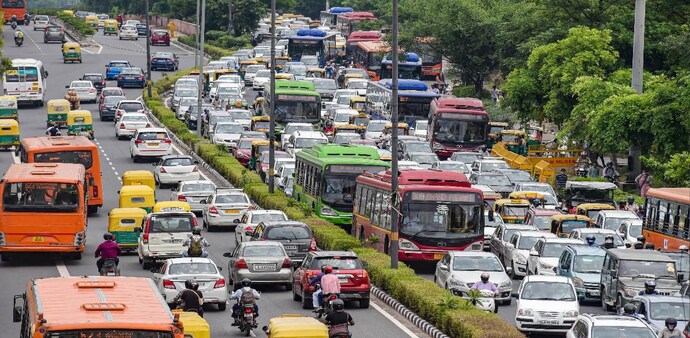
Delhi authorities announced that from Thursday, vehicles lacking a valid Pollution Under Control (PUC) certificate will be denied fuel at petrol pumps across the national capital. The directive, issued by Environment Minister Manjinder Singh Sirsa, aims to tighten enforcement of pollution norms and encourage compliance among vehicle owners.
Officials provided a one-day window for motorists to secure the necessary certification before the new rule comes into effect. Manjinder Singh Sirsa said, "After tomorrow, vehicles that do not have a valid PUC certificate will not be provided fuel."
Government data indicate that Delhi’s air quality remained comparatively better for nearly eight months this year than during the same period last year. However, authorities acknowledged a recent increase in pollution levels. Officials attributed sustained improvements to measures implemented over the past ten months.
The administration has faced criticism from opposition parties regarding its handling of air quality. Sirsa criticised the Aam Aadmi Party (AAP), stating that protests have been staged over pollution issues, and questioned the effectiveness of measures taken during AAP’s tenure.
Officials cited a series of daily initiatives aimed at curbing pollution. These include reducing the height of garbage mounds by 15 metres and cleaning or reclaiming 45 acres of land. The Delhi Pollution Control Committee (DPCC) has installed over 2,000 pollution-monitoring plants to track air quality trends.
Biomethanation plants were identified as contributors to emissions, with the government providing heaters to mitigate pollution from such operations. Enforcement teams have issued fines to vehicles failing to present valid PUC certificates, further bolstering compliance efforts.
The government has pinpointed 13 pollution hotspots within the city and has involved relevant agencies to address conditions at these locations. Officials claimed that Air Quality Index (AQI) levels at these sites have improved compared to the past decade, excluding the Covid period.
Looking ahead, the administration is accelerating the deployment of cleaner public transport, with plans to introduce 7,500 electric buses. A scientific committee has been convened and has already initiated meetings to recommend further pollution-control strategies.
Delhi authorities announced that from Thursday, vehicles lacking a valid Pollution Under Control (PUC) certificate will be denied fuel at petrol pumps across the national capital. The directive, issued by Environment Minister Manjinder Singh Sirsa, aims to tighten enforcement of pollution norms and encourage compliance among vehicle owners.
Officials provided a one-day window for motorists to secure the necessary certification before the new rule comes into effect. Manjinder Singh Sirsa said, "After tomorrow, vehicles that do not have a valid PUC certificate will not be provided fuel."
Government data indicate that Delhi’s air quality remained comparatively better for nearly eight months this year than during the same period last year. However, authorities acknowledged a recent increase in pollution levels. Officials attributed sustained improvements to measures implemented over the past ten months.
The administration has faced criticism from opposition parties regarding its handling of air quality. Sirsa criticised the Aam Aadmi Party (AAP), stating that protests have been staged over pollution issues, and questioned the effectiveness of measures taken during AAP’s tenure.
Officials cited a series of daily initiatives aimed at curbing pollution. These include reducing the height of garbage mounds by 15 metres and cleaning or reclaiming 45 acres of land. The Delhi Pollution Control Committee (DPCC) has installed over 2,000 pollution-monitoring plants to track air quality trends.
Biomethanation plants were identified as contributors to emissions, with the government providing heaters to mitigate pollution from such operations. Enforcement teams have issued fines to vehicles failing to present valid PUC certificates, further bolstering compliance efforts.
The government has pinpointed 13 pollution hotspots within the city and has involved relevant agencies to address conditions at these locations. Officials claimed that Air Quality Index (AQI) levels at these sites have improved compared to the past decade, excluding the Covid period.
Looking ahead, the administration is accelerating the deployment of cleaner public transport, with plans to introduce 7,500 electric buses. A scientific committee has been convened and has already initiated meetings to recommend further pollution-control strategies.