
Delhi protest row: SC asks centre not to completely stop metro, train services
The court’s intervention came amid concerns over the proposed closure of 57 Metro stations, cancellation of trains arriving in Delhi and other security measures announced ahead of Saturday’s protest
- Oct 9, 2026,
- Updated Oct 9, 2026 4:55 PM IST
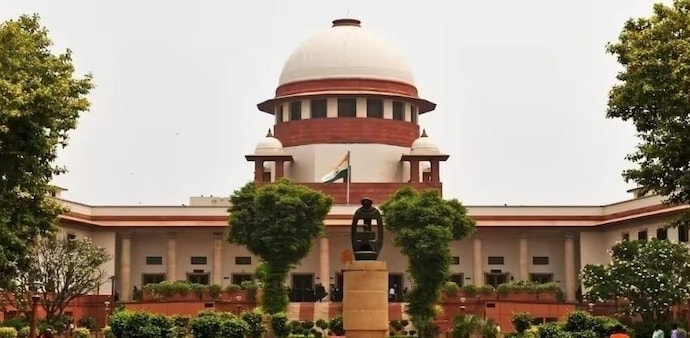
The Supreme Court on Friday directed the Centre to ensure that train and Metro services in Delhi are not completely suspended ahead of the October 10 protest against Chief Election Commissioner Gyanesh Kumar. The court said authorities must regulate public transport, rather than impose a blanket prohibition, to prevent inconvenience to commuters across the national capital.
A bench comprising Chief Justice of India Surya Kant and Justices Joymalya Bagchi and V Mohana was hearing petitions challenging restrictions imposed ahead of the proposed demonstration by the Cockroach Janta Party (CJP) and opposition groups.
READ THIS: Alert for Delhi Metro commuters: 57 stations face shutdown ahead of CJP protest
The court’s intervention came amid concerns over the proposed closure of 57 Metro stations, cancellation of trains arriving in Delhi and other security measures announced ahead of Saturday’s protest. The demonstrators are demanding the resignation of Chief Election Commissioner Gyanesh Kumar over alleged irregularities in the Special Intensive Revision (SIR) of electoral rolls.
Supreme Court stresses proportionality, asks Centre to regulate services
Emphasising the difference between regulating public transport and shutting it down entirely, the Supreme Court recorded Solicitor General Tushar Mehta’s assurance that he would urge the authorities to reconsider the restrictions and permit services to operate in a regulated manner.
In its order, the court stated: “We make it clear that there shall be no complete prohibition on movement of metro/trains. A considered decision may be taken to allow metro and other rails in an aptly regulated manner so that no inconvenience is caused to the public at large and such decision shall be given wide publicity. Advisory to also be published in newspaper and on websites so that no hardship is caused to public while travelling inside the city.”
The bench also directed authorities to publicise their decisions and issue appropriate advisories so commuters can plan their journeys. The emphasis, it said, should remain on proportionality and minimising disruption to ordinary citizens.
ALSO READ: CJP protest on October 10: Trains to New Delhi, Nizamuddin stations cancelled at source
Earlier hearing highlighted need to balance rights and public order
The development follows an earlier hearing on Friday, during which the Supreme Court expressed concern over the sweeping restrictions and said a balance must be maintained between the right to protest and the need to preserve public order.
Senior advocates, including Kapil Sibal and Abhishek Manu Singhvi, had challenged the proposed shutdown, arguing that the restrictions could effectively bring large parts of Delhi to a standstill and affect citizens’ ability to travel.
The bench also questioned the legality of holding a demonstration without permission, observing that the right to peaceful protest must operate within the framework of the law. The court sought details about the proposed gathering and the possibility of regulating it without causing disproportionate hardship to the public.
The Supreme Court on Friday directed the Centre to ensure that train and Metro services in Delhi are not completely suspended ahead of the October 10 protest against Chief Election Commissioner Gyanesh Kumar. The court said authorities must regulate public transport, rather than impose a blanket prohibition, to prevent inconvenience to commuters across the national capital.
A bench comprising Chief Justice of India Surya Kant and Justices Joymalya Bagchi and V Mohana was hearing petitions challenging restrictions imposed ahead of the proposed demonstration by the Cockroach Janta Party (CJP) and opposition groups.
READ THIS: Alert for Delhi Metro commuters: 57 stations face shutdown ahead of CJP protest
The court’s intervention came amid concerns over the proposed closure of 57 Metro stations, cancellation of trains arriving in Delhi and other security measures announced ahead of Saturday’s protest. The demonstrators are demanding the resignation of Chief Election Commissioner Gyanesh Kumar over alleged irregularities in the Special Intensive Revision (SIR) of electoral rolls.
Supreme Court stresses proportionality, asks Centre to regulate services
Emphasising the difference between regulating public transport and shutting it down entirely, the Supreme Court recorded Solicitor General Tushar Mehta’s assurance that he would urge the authorities to reconsider the restrictions and permit services to operate in a regulated manner.
In its order, the court stated: “We make it clear that there shall be no complete prohibition on movement of metro/trains. A considered decision may be taken to allow metro and other rails in an aptly regulated manner so that no inconvenience is caused to the public at large and such decision shall be given wide publicity. Advisory to also be published in newspaper and on websites so that no hardship is caused to public while travelling inside the city.”
The bench also directed authorities to publicise their decisions and issue appropriate advisories so commuters can plan their journeys. The emphasis, it said, should remain on proportionality and minimising disruption to ordinary citizens.
ALSO READ: CJP protest on October 10: Trains to New Delhi, Nizamuddin stations cancelled at source
Earlier hearing highlighted need to balance rights and public order
The development follows an earlier hearing on Friday, during which the Supreme Court expressed concern over the sweeping restrictions and said a balance must be maintained between the right to protest and the need to preserve public order.
Senior advocates, including Kapil Sibal and Abhishek Manu Singhvi, had challenged the proposed shutdown, arguing that the restrictions could effectively bring large parts of Delhi to a standstill and affect citizens’ ability to travel.
The bench also questioned the legality of holding a demonstration without permission, observing that the right to peaceful protest must operate within the framework of the law. The court sought details about the proposed gathering and the possibility of regulating it without causing disproportionate hardship to the public.