
‘Did we have better planes?’: Ex-IAF chief BS Dhanoa on why MiG-21s were deployed against F-16s in 2019 Balakot dogfight
Speaking during a discussion, Dhanoa acknowledged that many people had raised concerns over whether the IAF could have deployed better aircraft during the aerial engagement in February 2019.
- Jan 27, 2026,
- Updated Jan 27, 2026 4:34 PM IST
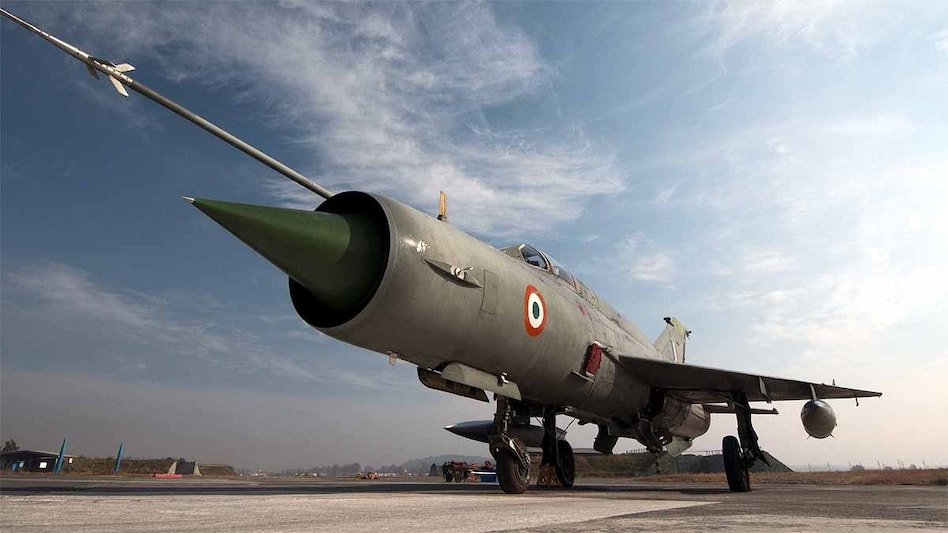
The Indian Air Force’s decision to deploy MiG-21 Bison fighter jets during the 2019 Balakot dogfight has long been questioned, particularly as the aircraft faced Pakistan’s more advanced F-16s. The debate resurfaced recently after former Air Force chief BS Dhanoa explained the circumstances behind the decision.
Speaking during a discussion on The Lallantop, Dhanoa acknowledged that many people had raised concerns over whether the IAF could have deployed better aircraft during the aerial engagement in February 2019.
Addressing the criticism, Dhanoa said the choice of fighter jets was not based on preference but dictated by the operational situation at that moment.
When asked why MiG-21 Bisons were sent into combat despite the possibility of Pakistani F-16s being involved, Dhanoa responded, “Did we have better planes?”
Elaborating further, he said, “There were only MiG-21s in Srinagar, and the Su-30s couldn’t enter the area where the dogfight took place because the region’s topography wasn’t suitable. HAL (Hindustan Aeronautics Limited) was supposed to deliver 27 upgraded Mirage 2000s capable of operating there, but we had only seven. We had the LCA (Tejas fighter jet) too, but no weapons to support it.”
According to Dhanoa, the MiG-21s were deployed simply because there were no other viable options available at the time. “The MiG-21s were deployed because we had no other choice. If you ask me personally, the MiG-21 shouldn’t have been there at all. Even our Prime Minister has said the outcome would have been different if we had Rafales. When the enemy strikes, we have to fight with what we have, there’s no other option,” he added.
The remarks refer to the events following the Balakot airstrike on February 26, 2019, when the IAF carried out an operation against a Jaish-e-Mohammad terror camp in Pakistan in retaliation for the Pulwama terror attack.
The following day, Pakistani fighter jets attempted to target military installations in Jammu and Kashmir. In response, the IAF scrambled MiG-21 Bisons from Srinagar.
During the aerial combat that ensued, an Indian MiG-21 Bison piloted by Wing Commander Abhinandan Varthaman was shot down. Varthaman was captured by Pakistan and released two days later. India also claimed that a Pakistani F-16 was shot down during the dogfight.
The incident reignited questions about why the IAF was still operating the Soviet-era MiG-21 and why the aircraft was deployed against more modern fighter jets.
Defending the decision once again, Dhanoa stressed that the MiG-21 Bison is not the same as the original MiG-21. He pointed out that the Bison is a heavily upgraded version, equipped with improved avionics, weapons systems and modern air-to-air missiles.
The Indian Air Force’s decision to deploy MiG-21 Bison fighter jets during the 2019 Balakot dogfight has long been questioned, particularly as the aircraft faced Pakistan’s more advanced F-16s. The debate resurfaced recently after former Air Force chief BS Dhanoa explained the circumstances behind the decision.
Speaking during a discussion on The Lallantop, Dhanoa acknowledged that many people had raised concerns over whether the IAF could have deployed better aircraft during the aerial engagement in February 2019.
Addressing the criticism, Dhanoa said the choice of fighter jets was not based on preference but dictated by the operational situation at that moment.
When asked why MiG-21 Bisons were sent into combat despite the possibility of Pakistani F-16s being involved, Dhanoa responded, “Did we have better planes?”
Elaborating further, he said, “There were only MiG-21s in Srinagar, and the Su-30s couldn’t enter the area where the dogfight took place because the region’s topography wasn’t suitable. HAL (Hindustan Aeronautics Limited) was supposed to deliver 27 upgraded Mirage 2000s capable of operating there, but we had only seven. We had the LCA (Tejas fighter jet) too, but no weapons to support it.”
According to Dhanoa, the MiG-21s were deployed simply because there were no other viable options available at the time. “The MiG-21s were deployed because we had no other choice. If you ask me personally, the MiG-21 shouldn’t have been there at all. Even our Prime Minister has said the outcome would have been different if we had Rafales. When the enemy strikes, we have to fight with what we have, there’s no other option,” he added.
The remarks refer to the events following the Balakot airstrike on February 26, 2019, when the IAF carried out an operation against a Jaish-e-Mohammad terror camp in Pakistan in retaliation for the Pulwama terror attack.
The following day, Pakistani fighter jets attempted to target military installations in Jammu and Kashmir. In response, the IAF scrambled MiG-21 Bisons from Srinagar.
During the aerial combat that ensued, an Indian MiG-21 Bison piloted by Wing Commander Abhinandan Varthaman was shot down. Varthaman was captured by Pakistan and released two days later. India also claimed that a Pakistani F-16 was shot down during the dogfight.
The incident reignited questions about why the IAF was still operating the Soviet-era MiG-21 and why the aircraft was deployed against more modern fighter jets.
Defending the decision once again, Dhanoa stressed that the MiG-21 Bison is not the same as the original MiG-21. He pointed out that the Bison is a heavily upgraded version, equipped with improved avionics, weapons systems and modern air-to-air missiles.