
Do Indians really want 10-minute deliveries? Here's what a new survey reveals
Many users, while enjoying the convenience of instant deliveries, believe the pressure such timelines place on delivery riders is unsafe and unnecessary.
- Jan 14, 2026,
- Updated Jan 14, 2026 2:26 PM IST
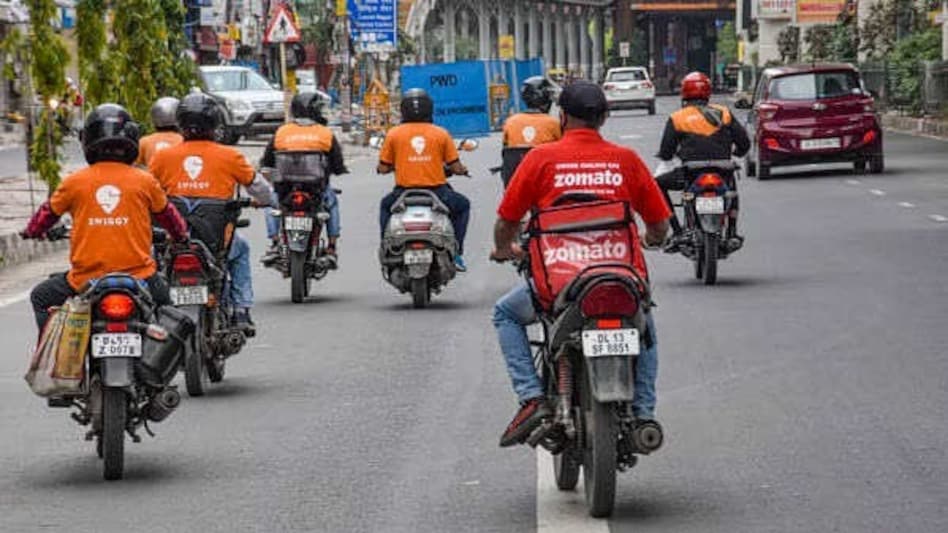
The race to deliver groceries in just 10 minutes may be losing its appeal among Indian consumers. A nationwide survey suggests that a majority of quick commerce users support the government’s move to rein in ultra-fast delivery promises, largely due to concerns over rider safety and road risks.
According to a LocalCircles survey, 74% of quick commerce consumers back the Centre’s advisory asking platforms to stop advertising fixed “10-minute delivery” timelines. Many users, while enjoying the convenience of instant deliveries, believe the pressure such timelines place on delivery riders is unsafe and unnecessary.
The Union Labour Ministry, led by Labour Minister Mansukh Mandaviya, has urged leading quick commerce platforms, especially Blinkit, to stop promoting rigid 10-minute delivery timelines in their marketing. The ministry has flagged concerns that extreme deadlines place undue pressure on delivery partners, compromise road safety and worsen working conditions for gig workers.
Following discussions with the government and growing pressure from gig worker unions—who staged strikes in late December over pay and safety issues—Blinkit has already removed its 10-minute delivery tagline from its app and branding. The company has replaced it with more general messaging around doorstep delivery. Platforms such as Zepto, Swiggy and Zomato are expected to follow.
The advisory does not amount to a ban on super-fast deliveries but signals a shift towards more sustainable and worker-friendly practices. Experts believe the quick commerce model will continue, but with greater emphasis on balancing speed with safety and labour welfare.
Against this backdrop, LocalCircles conducted a nationwide survey to understand how consumers view 10-minute delivery timelines and which products they actually want delivered that fast. The survey received over 90,000 responses from users across 180 districts in urban India. Of the respondents, 61% were men and 39% women. Around 49% were from Tier-1 cities, 28% from Tier-2 cities, and 23% from Tier-3 and Tier-4 districts.
Of the 49,130 respondents who were asked whether they support the government’s advisory, 74% said they were in favour, 17% opposed it, and 9% did not give a clear answer. Many respondents said that while quick commerce offers convenience, delivery timelines should not come at the cost of rider safety or public safety on roads.
The survey also found that a significant section of consumers does not want ultra-fast delivery at all. Of the 41,324 respondents asked whether they want any product delivered within 10 minutes, 38% said they do not want anything delivered in such a short time. Only 62% said they would prefer some products to be delivered within 10 minutes.
Among consumers who still want ultra-fast delivery, medicines emerged as the top priority. Of the 25,621 respondents who favoured 10-minute delivery, 100% said it matters for medicines, followed by essentials at 55% and discretionary items at 25%.
Overall, the findings suggest that while consumers value fast delivery, speed is seen as critical mainly for medicines and essential items. Many believe that, except for lifesaving drugs, deliveries can afford to take an extra 10 to 15 minutes if it reduces pressure on riders and improves road safety.
LocalCircles said it will share the survey findings with central and state governments to support policy interventions on gig worker safety and consumer services.
The race to deliver groceries in just 10 minutes may be losing its appeal among Indian consumers. A nationwide survey suggests that a majority of quick commerce users support the government’s move to rein in ultra-fast delivery promises, largely due to concerns over rider safety and road risks.
According to a LocalCircles survey, 74% of quick commerce consumers back the Centre’s advisory asking platforms to stop advertising fixed “10-minute delivery” timelines. Many users, while enjoying the convenience of instant deliveries, believe the pressure such timelines place on delivery riders is unsafe and unnecessary.
The Union Labour Ministry, led by Labour Minister Mansukh Mandaviya, has urged leading quick commerce platforms, especially Blinkit, to stop promoting rigid 10-minute delivery timelines in their marketing. The ministry has flagged concerns that extreme deadlines place undue pressure on delivery partners, compromise road safety and worsen working conditions for gig workers.
Following discussions with the government and growing pressure from gig worker unions—who staged strikes in late December over pay and safety issues—Blinkit has already removed its 10-minute delivery tagline from its app and branding. The company has replaced it with more general messaging around doorstep delivery. Platforms such as Zepto, Swiggy and Zomato are expected to follow.
The advisory does not amount to a ban on super-fast deliveries but signals a shift towards more sustainable and worker-friendly practices. Experts believe the quick commerce model will continue, but with greater emphasis on balancing speed with safety and labour welfare.
Against this backdrop, LocalCircles conducted a nationwide survey to understand how consumers view 10-minute delivery timelines and which products they actually want delivered that fast. The survey received over 90,000 responses from users across 180 districts in urban India. Of the respondents, 61% were men and 39% women. Around 49% were from Tier-1 cities, 28% from Tier-2 cities, and 23% from Tier-3 and Tier-4 districts.
Of the 49,130 respondents who were asked whether they support the government’s advisory, 74% said they were in favour, 17% opposed it, and 9% did not give a clear answer. Many respondents said that while quick commerce offers convenience, delivery timelines should not come at the cost of rider safety or public safety on roads.
The survey also found that a significant section of consumers does not want ultra-fast delivery at all. Of the 41,324 respondents asked whether they want any product delivered within 10 minutes, 38% said they do not want anything delivered in such a short time. Only 62% said they would prefer some products to be delivered within 10 minutes.
Among consumers who still want ultra-fast delivery, medicines emerged as the top priority. Of the 25,621 respondents who favoured 10-minute delivery, 100% said it matters for medicines, followed by essentials at 55% and discretionary items at 25%.
Overall, the findings suggest that while consumers value fast delivery, speed is seen as critical mainly for medicines and essential items. Many believe that, except for lifesaving drugs, deliveries can afford to take an extra 10 to 15 minutes if it reduces pressure on riders and improves road safety.
LocalCircles said it will share the survey findings with central and state governments to support policy interventions on gig worker safety and consumer services.