
'Don't overestimate your military power': Vietnam's warning to US, a forgotten UN peacemaker, and a lesson for Iran
Historian Thant Myint-U has come out with a timely book - Peacemaker - that covers the UN's role in resolving some of the biggest crises of the 1960s
- Apr 3, 2026,
- Updated Apr 3, 2026 5:11 PM IST
From Vietnam to West Asia, the United States has repeatedly discovered that military superiority does not always translate into quick victory. During the Vietnam War, Hanoi warned Washington that military power would not bring victory. A new book on UN Secretary-General U Thant shows that a warning was understood by some, but ignored by those who mattered.
When the US and Israel targeted Iran's nuclear and missile infrastructure this February, the objectives appeared clear: obliterate the country's nuclear and missile facilities, eliminate hardline cleric leadership, and install new leaders who are easy to deal with. While Washington has inflicted considerable damage on Iran's military, it has failed to topple the regime. And there is no sign of that happening anytime soon.
Don't Miss: A slow break with the UN: How Trump's 'Board of Peace' fits longer US retreat
The US, despite being the world's foremost military power, now finds itself in a familiar bind. It wants to end the war, but on its own terms. Not the first time for the US. It has been in this situation before. Think Vietnam, Iraq, and Afghanistan.
Washington might have recognised this pattern earlier had it paid more attention to one message from North Vietnam's Deputy Foreign Minister Han Van Lau. And that message was: the US should not overestimate its military power.
"The Vietnam War is first and foremost the struggle of the people of Vietnam against United States aggression," Lau told then visiting UN chief U Thant, who was making quiet efforts to give Washington an honourable exit. "It is very wrong for the Americans to overestimate their military strength and scientific superiority. They will never conquer the Vietnamese people."
Lau was right, the US couldn't win the war in Vietnam.
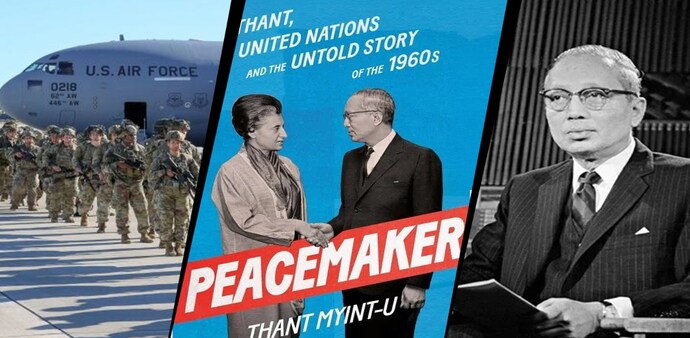
Thant's grandson and historian Thant Myint-U has come out with a timely book - Peacemaker - that covers the UN's role in resolving some of the biggest crises of the 1960s.
The book, which cites newly declassified documents, traces how Thant successfully mediated in the Cuban Missile Crisis, where two superpowers came very close to nuclear war, and desperately tried to prevent the 1967 Six-Day Israel War.
U Thant, a former Burmese school teacher and the first Asian to head the United Nations, also warned the US against entering Vietnam, but Washington did not listen. The former school teacher knew something that even the best of Cold War strategists in Washington did not know.
McGeorge Bundy, former NSA to US President Lyndon Johnson and seen as a brilliant Cold War strategist, favoured the war in Vietnam, and saw any negotiation with Hanoi as "surrender on the installment plan."
But Thant was convinced that the US could not win the war as the Vietnamese were fighting this "not as a war of Communist aggression, but as a war of national independence."
The UN chief had, very early in the war, expressed clearly that America's aim should be a face-saving exit from Vietnam, timeless advice for Washington, which has often found itself in wars that lasted far longer than initially expected. Iran is the latest example.
The book also reveals that much before the Pentagon Papers, Thant had hinted that the American people were not told the facts of how the war was going for the US.
America, UN, and forgotten Peacemaker
The former Burmese diplomat saw much ahead of his time what was wrong with the UN. When the peace proposals on Vietnam saw no progress, he feared that the UN risked becoming "merely a debating forum and nothing else" - a criticism that is still heard in diplomatic circles today.
Thant Myint-U, the author who himself has served at the UN, also covers in the book America's hot-and-cold equation with the UN.
In the early 1960s, when Thant was working on the possibility of outreach to Hanoi, President Johnson presided over a grand dinner for the UN Secretary General. There at the dinner, Johnson said the US takes great pride in the success of the UN. "It is the embodiment of and fulfilment of an old American vision".
But this was not consistent with how the US viewed the UN when its stand did not favour Washington's line.
Under Richard Nixon, Cambodia's longtime ruler, Prince Norodom Sihanouk, was overthrown in a pro-American military coup. A few weeks later, US ground forces crossed into Cambodia. The aim was to destroy a shadow Communist command centre. However, that shadowy centre never existed, according to the book. Instead, the Americans wiped out rural communities.
America also backed right-wing insurgency in Laos, and over the years, secretly dropped millions of tons of bombs on the poverty-stricken nation, the author states. Thant voiced his concern openly. He declared that the war in Indochina - the combined region of Vietnam, Laos, Cambodia - had become a "colossal horror story".
This didn't go down well with America.
A year before, the UN had put forward plans for a new office building and asked Washington for its share, which was roughly $20 million. This was now difficult. Nixon instructed his NSA, Henry Kissinger, another hawk: "Don't get too excited about the UN...when have they helped us?"
Kissinger, too, felt that the UN was not helpful. "And when you think of U Thant condemning us in Laos, when he has been quiet for eight years about the North Vietnamese there." Nixon replied: "I hope they don't get the building."
The author cites another exchange that showed how the US wanted a pro-American chief at the UN. In 1971, when Thant completed his second term, the big powers agreed on Austrian ambassador Kurt Waldheim as the next secretary general.
At the White House, Kissinger told Nixon, "You heard about the new Secretary-General. He is bound to be better than U Thant."
Nixon: "Well, no worse."
Kissinger then said, "I don't know if we want a strong Secretary-General. If he isn't more favourable to us than the last one."
Even after over five decades, many of the attitudes visible in the Nixon–Kissinger years can still be seen in Washington today. Now, Donald Trump has floated the Board of Peace - a move that the Peacemaker author believes would be a decisive blow for an already beleaguered United Nations.
The UN, by design, as it deals with sovereign entities, doesn't have the power to dictate to a nation, much less superpowers. Thereby, it is often seen as ineffective.
But the UN was not always this weak, the book suggests. There was a time when Thant, through his quiet diplomacy, played a crucial role in the battle against white supremacy in the Congo and southern Africa, and prevented nuclear war during the Cuban Missile Crisis.
Thant Myint-U rightly writes that the UN Secretary-General had no real power, but the status attached to his office allowed him to intervene and defuse crises when possible. "But this meant that expectations were always very high."
U Thant retired as Secretary-General in December 1971.
From Vietnam to West Asia, the United States has repeatedly discovered that military superiority does not always translate into quick victory. During the Vietnam War, Hanoi warned Washington that military power would not bring victory. A new book on UN Secretary-General U Thant shows that a warning was understood by some, but ignored by those who mattered.
When the US and Israel targeted Iran's nuclear and missile infrastructure this February, the objectives appeared clear: obliterate the country's nuclear and missile facilities, eliminate hardline cleric leadership, and install new leaders who are easy to deal with. While Washington has inflicted considerable damage on Iran's military, it has failed to topple the regime. And there is no sign of that happening anytime soon.
Don't Miss: A slow break with the UN: How Trump's 'Board of Peace' fits longer US retreat
The US, despite being the world's foremost military power, now finds itself in a familiar bind. It wants to end the war, but on its own terms. Not the first time for the US. It has been in this situation before. Think Vietnam, Iraq, and Afghanistan.
Washington might have recognised this pattern earlier had it paid more attention to one message from North Vietnam's Deputy Foreign Minister Han Van Lau. And that message was: the US should not overestimate its military power.
"The Vietnam War is first and foremost the struggle of the people of Vietnam against United States aggression," Lau told then visiting UN chief U Thant, who was making quiet efforts to give Washington an honourable exit. "It is very wrong for the Americans to overestimate their military strength and scientific superiority. They will never conquer the Vietnamese people."
Lau was right, the US couldn't win the war in Vietnam.
Thant's grandson and historian Thant Myint-U has come out with a timely book - Peacemaker - that covers the UN's role in resolving some of the biggest crises of the 1960s.
The book, which cites newly declassified documents, traces how Thant successfully mediated in the Cuban Missile Crisis, where two superpowers came very close to nuclear war, and desperately tried to prevent the 1967 Six-Day Israel War.
U Thant, a former Burmese school teacher and the first Asian to head the United Nations, also warned the US against entering Vietnam, but Washington did not listen. The former school teacher knew something that even the best of Cold War strategists in Washington did not know.
McGeorge Bundy, former NSA to US President Lyndon Johnson and seen as a brilliant Cold War strategist, favoured the war in Vietnam, and saw any negotiation with Hanoi as "surrender on the installment plan."
But Thant was convinced that the US could not win the war as the Vietnamese were fighting this "not as a war of Communist aggression, but as a war of national independence."
The UN chief had, very early in the war, expressed clearly that America's aim should be a face-saving exit from Vietnam, timeless advice for Washington, which has often found itself in wars that lasted far longer than initially expected. Iran is the latest example.
The book also reveals that much before the Pentagon Papers, Thant had hinted that the American people were not told the facts of how the war was going for the US.
America, UN, and forgotten Peacemaker
The former Burmese diplomat saw much ahead of his time what was wrong with the UN. When the peace proposals on Vietnam saw no progress, he feared that the UN risked becoming "merely a debating forum and nothing else" - a criticism that is still heard in diplomatic circles today.
Thant Myint-U, the author who himself has served at the UN, also covers in the book America's hot-and-cold equation with the UN.
In the early 1960s, when Thant was working on the possibility of outreach to Hanoi, President Johnson presided over a grand dinner for the UN Secretary General. There at the dinner, Johnson said the US takes great pride in the success of the UN. "It is the embodiment of and fulfilment of an old American vision".
But this was not consistent with how the US viewed the UN when its stand did not favour Washington's line.
Under Richard Nixon, Cambodia's longtime ruler, Prince Norodom Sihanouk, was overthrown in a pro-American military coup. A few weeks later, US ground forces crossed into Cambodia. The aim was to destroy a shadow Communist command centre. However, that shadowy centre never existed, according to the book. Instead, the Americans wiped out rural communities.
America also backed right-wing insurgency in Laos, and over the years, secretly dropped millions of tons of bombs on the poverty-stricken nation, the author states. Thant voiced his concern openly. He declared that the war in Indochina - the combined region of Vietnam, Laos, Cambodia - had become a "colossal horror story".
This didn't go down well with America.
A year before, the UN had put forward plans for a new office building and asked Washington for its share, which was roughly $20 million. This was now difficult. Nixon instructed his NSA, Henry Kissinger, another hawk: "Don't get too excited about the UN...when have they helped us?"
Kissinger, too, felt that the UN was not helpful. "And when you think of U Thant condemning us in Laos, when he has been quiet for eight years about the North Vietnamese there." Nixon replied: "I hope they don't get the building."
The author cites another exchange that showed how the US wanted a pro-American chief at the UN. In 1971, when Thant completed his second term, the big powers agreed on Austrian ambassador Kurt Waldheim as the next secretary general.
At the White House, Kissinger told Nixon, "You heard about the new Secretary-General. He is bound to be better than U Thant."
Nixon: "Well, no worse."
Kissinger then said, "I don't know if we want a strong Secretary-General. If he isn't more favourable to us than the last one."
Even after over five decades, many of the attitudes visible in the Nixon–Kissinger years can still be seen in Washington today. Now, Donald Trump has floated the Board of Peace - a move that the Peacemaker author believes would be a decisive blow for an already beleaguered United Nations.
The UN, by design, as it deals with sovereign entities, doesn't have the power to dictate to a nation, much less superpowers. Thereby, it is often seen as ineffective.
But the UN was not always this weak, the book suggests. There was a time when Thant, through his quiet diplomacy, played a crucial role in the battle against white supremacy in the Congo and southern Africa, and prevented nuclear war during the Cuban Missile Crisis.
Thant Myint-U rightly writes that the UN Secretary-General had no real power, but the status attached to his office allowed him to intervene and defuse crises when possible. "But this meant that expectations were always very high."
U Thant retired as Secretary-General in December 1971.