
Ebola alert in India: Centre orders screening, surveillance after WHO emergency
Under the advisory, states have been asked to intensify monitoring under the Integrated Disease Surveillance Programme (IDSP) for unusual clusters of illness, especially among travellers arriving from Ebola-affected regions.
- May 23, 2026,
- Updated May 23, 2026 6:30 AM IST
India has stepped up Ebola preparedness after the World Health Organization (WHO) declared the ongoing outbreak in the Democratic Republic of Congo (DRC) and Uganda a Public Health Emergency of International Concern (PHEIC).
In a May 21 advisory to all states and Union Territories, Union Health Secretary Punya Salila Srivastava directed authorities to strengthen surveillance, screening and hospital preparedness, warning that heavy international travel and trade require “adequate preparedness and response capacities at all levels of the health system.”
The Health Ministry said countries bordering DRC and Uganda, including South Sudan, remain at high risk of transmission, though the overall threat outside the affected African region is currently considered low.
Thermal screening, isolation facilities activated
Under the advisory, states have been asked to intensify monitoring under the Integrated Disease Surveillance Programme (IDSP) for unusual clusters of illness, especially among travellers arriving from Ebola-affected regions.
Authorities have been instructed to remain alert for symptoms such as fever, weakness, muscle pain, headache, sore throat, vomiting, diarrhoea, stomach pain, rash and red eyes.
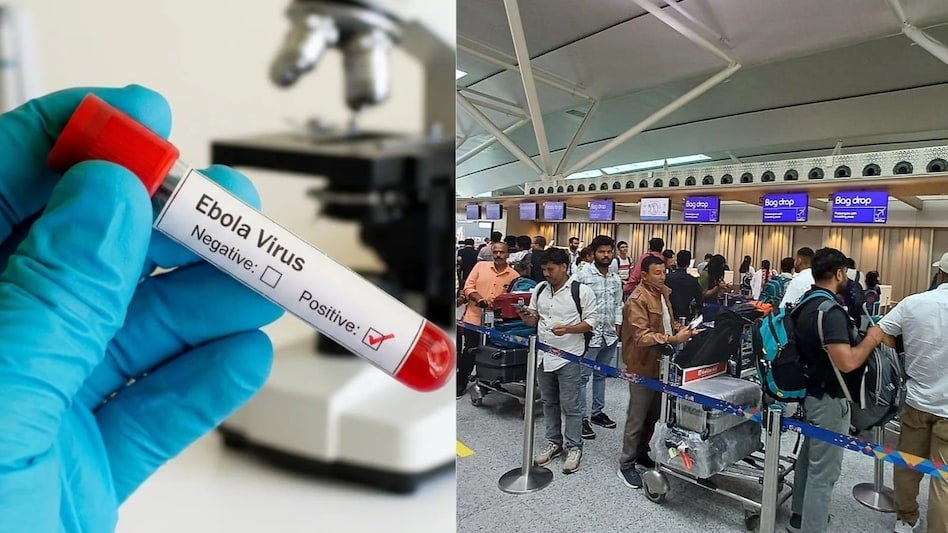
Passengers arriving from affected countries will undergo thermal screening and health monitoring at airports and ports. Those showing Ebola-like symptoms will be shifted to designated isolation facilities for testing and treatment.
The Centre has also directed states to identify dedicated isolation wards and ambulances, ensure adequate stocks of personal protective equipment (PPE), and strengthen laboratory and critical care infrastructure.
The ministry said the Indian Council of Medical Research’s National Institute of Virology (NIV) in Pune is fully equipped to test suspected Ebola samples, while additional ICMR laboratories may be activated depending on the situation.
The attached Standard Operating Procedure (SOP) also mandates a 21-day monitoring period for travellers arriving from affected regions, along with protocols for quarantine, contact tracing and infection prevention.
Karnataka issues public advisory
Karnataka has become one of the first states to publicly detail its preparedness measures following the WHO declaration.
The Karnataka Health Department on Friday clarified that no Ebola cases have been detected in India, but advised recent travellers from affected African nations to undergo self-monitoring for 21 days after arrival.
“The public is requested not to panic unnecessarily and to rely only on official information,” the department said in a statement.
Rapid Response Teams (RRTs) have been placed on alert, while surveillance and airport coordination measures have been intensified.
In Bengaluru, the Rajiv Gandhi Institute of Chest Diseases (RGICD) has been designated as the isolation centre, while the Epidemic Diseases Hospital will function as the quarantine and treatment facility.
In Mangaluru, Srinivas Port Hospital has been identified as the quarantine centre and Wenlock District Hospital as the isolation and treatment facility.
Dedicated ambulance services have also been kept on standby for transporting suspected patients.
What Is Ebola?
Ebola is a severe viral disease that spreads through direct contact with the blood or bodily fluids of infected persons, or contaminated materials such as bedding, clothes and syringes.
Healthcare workers, caregivers and close contacts of infected individuals are considered most vulnerable during outbreaks.
India has stepped up Ebola preparedness after the World Health Organization (WHO) declared the ongoing outbreak in the Democratic Republic of Congo (DRC) and Uganda a Public Health Emergency of International Concern (PHEIC).
In a May 21 advisory to all states and Union Territories, Union Health Secretary Punya Salila Srivastava directed authorities to strengthen surveillance, screening and hospital preparedness, warning that heavy international travel and trade require “adequate preparedness and response capacities at all levels of the health system.”
The Health Ministry said countries bordering DRC and Uganda, including South Sudan, remain at high risk of transmission, though the overall threat outside the affected African region is currently considered low.
Thermal screening, isolation facilities activated
Under the advisory, states have been asked to intensify monitoring under the Integrated Disease Surveillance Programme (IDSP) for unusual clusters of illness, especially among travellers arriving from Ebola-affected regions.
Authorities have been instructed to remain alert for symptoms such as fever, weakness, muscle pain, headache, sore throat, vomiting, diarrhoea, stomach pain, rash and red eyes.
Passengers arriving from affected countries will undergo thermal screening and health monitoring at airports and ports. Those showing Ebola-like symptoms will be shifted to designated isolation facilities for testing and treatment.
The Centre has also directed states to identify dedicated isolation wards and ambulances, ensure adequate stocks of personal protective equipment (PPE), and strengthen laboratory and critical care infrastructure.
The ministry said the Indian Council of Medical Research’s National Institute of Virology (NIV) in Pune is fully equipped to test suspected Ebola samples, while additional ICMR laboratories may be activated depending on the situation.
The attached Standard Operating Procedure (SOP) also mandates a 21-day monitoring period for travellers arriving from affected regions, along with protocols for quarantine, contact tracing and infection prevention.
Karnataka issues public advisory
Karnataka has become one of the first states to publicly detail its preparedness measures following the WHO declaration.
The Karnataka Health Department on Friday clarified that no Ebola cases have been detected in India, but advised recent travellers from affected African nations to undergo self-monitoring for 21 days after arrival.
“The public is requested not to panic unnecessarily and to rely only on official information,” the department said in a statement.
Rapid Response Teams (RRTs) have been placed on alert, while surveillance and airport coordination measures have been intensified.
In Bengaluru, the Rajiv Gandhi Institute of Chest Diseases (RGICD) has been designated as the isolation centre, while the Epidemic Diseases Hospital will function as the quarantine and treatment facility.
In Mangaluru, Srinivas Port Hospital has been identified as the quarantine centre and Wenlock District Hospital as the isolation and treatment facility.
Dedicated ambulance services have also been kept on standby for transporting suspected patients.
What Is Ebola?
Ebola is a severe viral disease that spreads through direct contact with the blood or bodily fluids of infected persons, or contaminated materials such as bedding, clothes and syringes.
Healthcare workers, caregivers and close contacts of infected individuals are considered most vulnerable during outbreaks.