
'Entry of other Arab nations in Pak-Saudi defence pact not ruled out': Pakistan's Khawaja Asif
His remarks came days after Pakistan Prime Minister Shehbaz Sharif and Saudi Crown Prince Mohammed bin Salman signed a "strategic mutual defence" agreement that declares any attack on either country will be considered as an "aggression against both".
- Sep 19, 2025,
- Updated Sep 19, 2025 6:10 PM IST
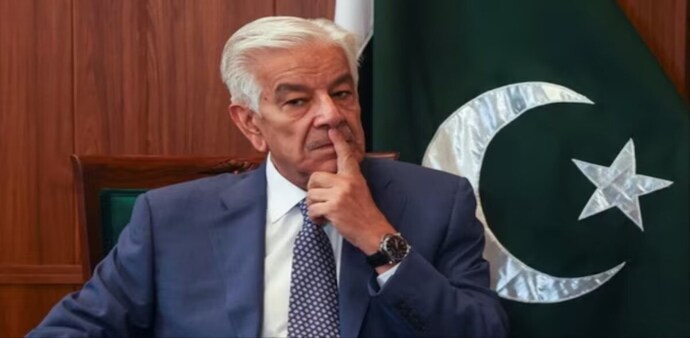
Pakistan's defence minister Khawaja Asif on Friday said that the entry of other Arab countries in the mutual defence pact between Pakistan and Saudi Arabia is not ruled out. He added that "doors are not closed" for such developments.
His remarks came days after Pakistan Prime Minister Shehbaz Sharif and Saudi Crown Prince Mohammed bin Salman signed a "strategic mutual defence" agreement that declares any attack on either country will be considered as an "aggression against both".
The deal was signed days after Israel attacked the Hamas leadership in Qatar, which is a key US ally in the Gulf region. In an interview with Geo News TV, Asif said: “I cannot prematurely answer this, but I will definitely say the doors are not closed."
He added that Muslim nations have a right to defend their countries. Asif said: "I think it is a fundamental right of the countries and people here, particularly the Muslim population, to together defend their region, countries and nations.”
He mentioned that the deal had no clause that ruled out the entry of any other nation or that Pakistan couldn't sign a similar agreement with anyone else.
When questioned whether Pakistan's nuclear assets were up for use under the agreement, Khawaja Asif said: “What we have, our capabilities, will absolutely be available under this pact.” Pakistan always offered its nuclear facilities for inspection and never committed any violation, he added.
When asked whether any attack on one country would lead to the involvement of the others, Asif said that there should be no doubt about it and that it was not an "aggressive pact" but a defensive agreement, similar to NATO.
Responding to the deal, External Affairs Ministry spokesperson Randhir Jaiswal said that India will study the implications of the move for its national security and regional and global stability.
Jaiswal said the "government remains committed to protecting India's national interests and ensuring comprehensive national security in all domains".
Pakistan's defence minister Khawaja Asif on Friday said that the entry of other Arab countries in the mutual defence pact between Pakistan and Saudi Arabia is not ruled out. He added that "doors are not closed" for such developments.
His remarks came days after Pakistan Prime Minister Shehbaz Sharif and Saudi Crown Prince Mohammed bin Salman signed a "strategic mutual defence" agreement that declares any attack on either country will be considered as an "aggression against both".
The deal was signed days after Israel attacked the Hamas leadership in Qatar, which is a key US ally in the Gulf region. In an interview with Geo News TV, Asif said: “I cannot prematurely answer this, but I will definitely say the doors are not closed."
He added that Muslim nations have a right to defend their countries. Asif said: "I think it is a fundamental right of the countries and people here, particularly the Muslim population, to together defend their region, countries and nations.”
He mentioned that the deal had no clause that ruled out the entry of any other nation or that Pakistan couldn't sign a similar agreement with anyone else.
When questioned whether Pakistan's nuclear assets were up for use under the agreement, Khawaja Asif said: “What we have, our capabilities, will absolutely be available under this pact.” Pakistan always offered its nuclear facilities for inspection and never committed any violation, he added.
When asked whether any attack on one country would lead to the involvement of the others, Asif said that there should be no doubt about it and that it was not an "aggressive pact" but a defensive agreement, similar to NATO.
Responding to the deal, External Affairs Ministry spokesperson Randhir Jaiswal said that India will study the implications of the move for its national security and regional and global stability.
Jaiswal said the "government remains committed to protecting India's national interests and ensuring comprehensive national security in all domains".