
Ex-American envoy warns: 'US firms can't pursue China-plus strategy without India'
Russian oil import was a small part of India's overall energy mix, then the amount ballooned partially by design that the Biden administration put into place, says fomer ambassador Geoffrey Pyatt
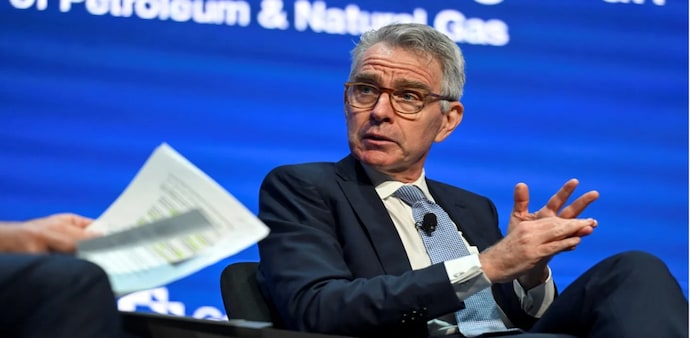
- Nov 27, 2025,
- Updated Nov 27, 2025 6:05 PM IST
Former US Ambassador Geoffrey Pyatt said that American firms "cannot have a China plus one strategy" without a strong presence in India. He also argued that energy cooperation between New Delhi and Washington is now central to stabilising a relationship unsettled by shifting US policy and disagreements over Russian oil purchases.
"I would emphasise that all of us have a huge stake in getting the US-India strategic relationship back on track, including the current disagreements on trade issues. And I do believe that energy is going to be key to unlocking that," he said while speaking to Hindustan Times.
While President Donald Trump penalised India over purchases of discounted Russian crude, New Delhi turned to Moscow for oil only after Washington's own signals under then President Joe Biden that India could buy Russian oil within the G7 price‑cap regime to help stabilise global prices after December 2022.
Pyatt, who served as US Assistant Secretary of State for Energy Resources in the Biden administration, described how India's energy profile shifted after Washington's price cap in December 2022.
"Until the price cap was put into place, exactly three years ago, in December of 2022, India was a marginal purchaser of Russian fossil fuels," he said. "It was a small part of India's overall energy mix, then the amount ballooned partially by design that the Biden administration put into place, (but) signals changed under Trump, and it really feels like things are getting back on a better track today, which we should all welcome."
'Policy can change on a dime'
Pyatt acknowledged concerns in India about abrupt shifts in U.S. behaviour. "There has been a loss of trust in some parts of the Indian strategic community because of how these issues have been handled. One of the characteristics of the Trump administration, of course, is that policy direction can change on a dime, can change very quickly and oftentimes not with a lot of explanation. But it is what it is."
He pointed to recent moves by Indian companies to scale back imports from Russia. Earlier this month, Reliance Industries halted Russian oil imports at its export-only refinery in Jamnagar to comply with European Union sanctions targeting fuels refined from Russian crude.
Pyatt called Reliance's announcement "important" and cited India's new LPG contract with the US as another signal of realignment. "Equally important is the announcement last week regarding India's decision for the first time to sign a long-term contract for LPG imports from the US, equal to 10% of India's annual requirements for a commodity that touches almost every Indian household. So, it's important that we're going back to thinking about these issues as a driver of collaboration, as a means of balancing and reinforcing our trade relationship."
Asked about whether India–US trade talks would be influenced by the new LPG agreement and India reducing Russian imports, Pyatt said the developments should help rebuild confidence. He said every company he works with will welcome the normalisation of the US-India trade relationship.
"We have a huge interest in each other's success. And as I continue to emphasise, you cannot have a China plus one strategy if you are a major American manufacturing company unless you have a presence in India."
"So, I give a lot of credit to the negotiators who are working through these difficult issues," he said, but added that it would be difficult to predict when exactly the breakthrough is going to be made on the trade talks.
Former US Ambassador Geoffrey Pyatt said that American firms "cannot have a China plus one strategy" without a strong presence in India. He also argued that energy cooperation between New Delhi and Washington is now central to stabilising a relationship unsettled by shifting US policy and disagreements over Russian oil purchases.
"I would emphasise that all of us have a huge stake in getting the US-India strategic relationship back on track, including the current disagreements on trade issues. And I do believe that energy is going to be key to unlocking that," he said while speaking to Hindustan Times.
While President Donald Trump penalised India over purchases of discounted Russian crude, New Delhi turned to Moscow for oil only after Washington's own signals under then President Joe Biden that India could buy Russian oil within the G7 price‑cap regime to help stabilise global prices after December 2022.
Pyatt, who served as US Assistant Secretary of State for Energy Resources in the Biden administration, described how India's energy profile shifted after Washington's price cap in December 2022.
"Until the price cap was put into place, exactly three years ago, in December of 2022, India was a marginal purchaser of Russian fossil fuels," he said. "It was a small part of India's overall energy mix, then the amount ballooned partially by design that the Biden administration put into place, (but) signals changed under Trump, and it really feels like things are getting back on a better track today, which we should all welcome."
'Policy can change on a dime'
Pyatt acknowledged concerns in India about abrupt shifts in U.S. behaviour. "There has been a loss of trust in some parts of the Indian strategic community because of how these issues have been handled. One of the characteristics of the Trump administration, of course, is that policy direction can change on a dime, can change very quickly and oftentimes not with a lot of explanation. But it is what it is."
He pointed to recent moves by Indian companies to scale back imports from Russia. Earlier this month, Reliance Industries halted Russian oil imports at its export-only refinery in Jamnagar to comply with European Union sanctions targeting fuels refined from Russian crude.
Pyatt called Reliance's announcement "important" and cited India's new LPG contract with the US as another signal of realignment. "Equally important is the announcement last week regarding India's decision for the first time to sign a long-term contract for LPG imports from the US, equal to 10% of India's annual requirements for a commodity that touches almost every Indian household. So, it's important that we're going back to thinking about these issues as a driver of collaboration, as a means of balancing and reinforcing our trade relationship."
Asked about whether India–US trade talks would be influenced by the new LPG agreement and India reducing Russian imports, Pyatt said the developments should help rebuild confidence. He said every company he works with will welcome the normalisation of the US-India trade relationship.
"We have a huge interest in each other's success. And as I continue to emphasise, you cannot have a China plus one strategy if you are a major American manufacturing company unless you have a presence in India."
"So, I give a lot of credit to the negotiators who are working through these difficult issues," he said, but added that it would be difficult to predict when exactly the breakthrough is going to be made on the trade talks.