
Fake rabies vaccine alert: Australia flags risk for travellers vaccinated in India
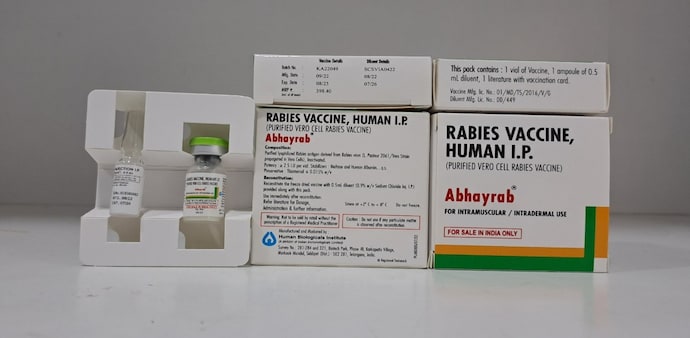
The alert, issued by the Australian Technical Advisory Group on Immunisation, cautions that travellers who received one or more doses of Abhayrab in India — or who are unable to confirm the brand of rabies vaccine administered — may require replacement post-exposure prophylaxis doses.
- Dec 26, 2025,
- Updated Dec 26, 2025 6:35 PM IST
Australian health authorities have issued a public health alert after detecting the circulation of counterfeit batches of the rabies vaccine Abhayrab in India since November 1, 2023, potentially compromising protection for people bitten or scratched by animals while travelling in the country.
The alert, issued by the Australian Technical Advisory Group on Immunisation (ATAGI), cautions that travellers who received one or more doses of Abhayrab in India — or who are unable to confirm the brand of rabies vaccine administered — may require replacement post-exposure prophylaxis (PEP) doses. While the counterfeit product is not available in Australia, officials said it could affect those who began or completed their rabies vaccination course in India before returning.
Under ATAGI’s recommendations, affected individuals are advised to replace suspect doses with Australian-registered rabies vaccines such as Rabipur or Verorab, and undergo blood tests to assess rabies antibody levels. Patients found to have inadequate antibody titres may require additional clinical intervention. People who received verified doses of other rabies vaccine brands in India are not considered at risk under the advisory.
Australian public health units will contact known cases where rabies PEP was initiated in India and completed in Australia. However, authorities noted that individuals who completed their full vaccination course in India may not be on official records and could self-present following media coverage.
India’s Rabies cases & vaccine usage
The alert has once again drawn attention to India’s high rabies burden. India accounts for a significant share of global rabies deaths, with an estimated 18,000 to 20,000 fatalities each year.
Government data indicate that over 13 crore doses of human anti-rabies vaccines were procured by Indian states and union territories in 2024, with more than 12 crore doses administered during the year. Millions of people in India receive rabies post-exposure vaccination annually, making it one of the largest rabies vaccine markets globally.
Industry estimates suggest the human rabies vaccine market in India is valued at approximately ₹500 crore, with both public health facilities and private hospitals contributing to demand. Major brands dominate the market, reflecting the scale of dog bite incidents reported across urban and rural regions.
Despite widespread availability of rabies vaccines, experts point to gaps in access to rabies immunoglobulin (RIG) — a critical component of treatment for severe exposures. Many primary and district-level health facilities lack consistent RIG supplies, raising concerns about incomplete protection in high-risk cases.
Health risks of counterfeit vaccines
Health experts warn that counterfeit rabies vaccines pose a serious threat, as recipients may believe they are protected while remaining vulnerable to infection. Rabies is almost invariably fatal once symptoms appear, making effective post-exposure vaccination crucial.
Indian authorities have previously raised alarms about fake and substandard vaccines entering pharmaceutical supply chains, particularly in large urban markets. The latest alert from Australia adds international attention to the issue of drug quality control in rabies prevention.
Australian health officials have urged travellers to rabies-endemic countries to seek pre-exposure vaccination where appropriate and maintain detailed records of all vaccines received abroad, including batch numbers and packaging photographs.
The NSW Ministry of Health said public health units remain available to guide clinicians and patients, reiterating that rabies is preventable with timely and complete treatment, but delays or ineffective vaccines can have fatal consequences.
Australian health authorities have issued a public health alert after detecting the circulation of counterfeit batches of the rabies vaccine Abhayrab in India since November 1, 2023, potentially compromising protection for people bitten or scratched by animals while travelling in the country.
The alert, issued by the Australian Technical Advisory Group on Immunisation (ATAGI), cautions that travellers who received one or more doses of Abhayrab in India — or who are unable to confirm the brand of rabies vaccine administered — may require replacement post-exposure prophylaxis (PEP) doses. While the counterfeit product is not available in Australia, officials said it could affect those who began or completed their rabies vaccination course in India before returning.
Under ATAGI’s recommendations, affected individuals are advised to replace suspect doses with Australian-registered rabies vaccines such as Rabipur or Verorab, and undergo blood tests to assess rabies antibody levels. Patients found to have inadequate antibody titres may require additional clinical intervention. People who received verified doses of other rabies vaccine brands in India are not considered at risk under the advisory.
Australian public health units will contact known cases where rabies PEP was initiated in India and completed in Australia. However, authorities noted that individuals who completed their full vaccination course in India may not be on official records and could self-present following media coverage.
India’s Rabies cases & vaccine usage
The alert has once again drawn attention to India’s high rabies burden. India accounts for a significant share of global rabies deaths, with an estimated 18,000 to 20,000 fatalities each year.
Government data indicate that over 13 crore doses of human anti-rabies vaccines were procured by Indian states and union territories in 2024, with more than 12 crore doses administered during the year. Millions of people in India receive rabies post-exposure vaccination annually, making it one of the largest rabies vaccine markets globally.
Industry estimates suggest the human rabies vaccine market in India is valued at approximately ₹500 crore, with both public health facilities and private hospitals contributing to demand. Major brands dominate the market, reflecting the scale of dog bite incidents reported across urban and rural regions.
Despite widespread availability of rabies vaccines, experts point to gaps in access to rabies immunoglobulin (RIG) — a critical component of treatment for severe exposures. Many primary and district-level health facilities lack consistent RIG supplies, raising concerns about incomplete protection in high-risk cases.
Health risks of counterfeit vaccines
Health experts warn that counterfeit rabies vaccines pose a serious threat, as recipients may believe they are protected while remaining vulnerable to infection. Rabies is almost invariably fatal once symptoms appear, making effective post-exposure vaccination crucial.
Indian authorities have previously raised alarms about fake and substandard vaccines entering pharmaceutical supply chains, particularly in large urban markets. The latest alert from Australia adds international attention to the issue of drug quality control in rabies prevention.
Australian health officials have urged travellers to rabies-endemic countries to seek pre-exposure vaccination where appropriate and maintain detailed records of all vaccines received abroad, including batch numbers and packaging photographs.
The NSW Ministry of Health said public health units remain available to guide clinicians and patients, reiterating that rabies is preventable with timely and complete treatment, but delays or ineffective vaccines can have fatal consequences.