
Fancy going off-road in Ladakh? Here's where not to drive — or risk a hefty ₹50,000 fine
Acting on the directions of LG VK Saxena, the administration has begun prosecuting offenders under the Wildlife (Protection) Act. The Wildlife Department of Ladakh imposed a penalty of ₹50,000 each on four vehicles, taking the total fine to ₹2 lakh.
- Jun 28, 2026,
- Updated Jun 28, 2026 7:09 PM IST
For the first time, Ladakh begins prosecuting illegal off-roading as authorities warn reckless tourism will no longer be tolerated
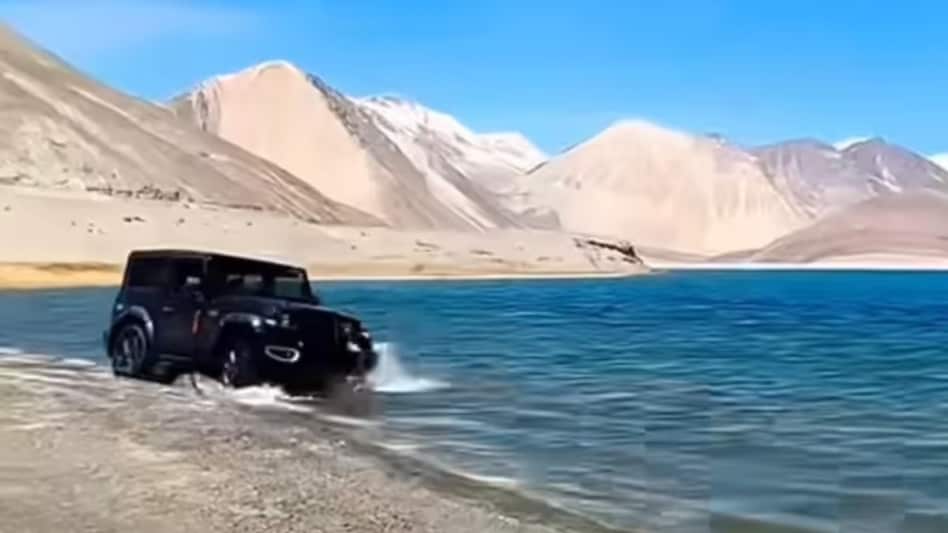
The days of tourists treating Ladakh's fragile landscapes as an off-road playground may be coming to an end. In a first-of-its-kind crackdown, the Ladakh Administration has imposed hefty penalties on tourists caught driving through Pangong Lake and other ecologically sensitive wildlife habitats, signalling a tougher stance against activities that threaten one of India's most fragile mountain ecosystems.
Acting on the directions of Lieutenant Governor VK Saxena, the administration has begun prosecuting offenders under the Wildlife (Protection) Act, marking a significant shift from warnings to strict enforcement.
₹50,000 fine per vehicle, total penalty reaches ₹2 lakh
The Wildlife Department of Ladakh imposed a penalty of ₹50,000 each on four vehicles, taking the total fine to ₹2 lakh.
According to the Lieutenant Governor's Secretariat, the offending vehicles belonged to tourists from Himachal Pradesh, Chandigarh, Punjab and Uttar Pradesh, who were found illegally driving into Pangong Lake and protected wildlife zones across Changthang and Nubra over the past few days.
Officials said all four vehicles were impounded following investigations and released only after the penalties were paid.
Why the administration acted
Authorities say illegal off-roading has emerged as a growing problem in Ladakh, with visitors increasingly driving into lake shores, river streams and protected habitats for adventure videos, photographs and social media content.
Routine wildlife patrols, combined with social media surveillance, uncovered multiple violations across sensitive locations, including:
- The shores of Pangong Lake near Merak and Lukung
- Nurboo La in Hanle
- Sumur in Nubra Valley
Officials said these activities damage fragile alpine ecosystems, pollute water bodies, destroy vegetation and disturb endangered wildlife species that inhabit the region.
Four incidents that triggered the crackdown
The latest enforcement followed a series of widely reported violations:
- June 23: A Mahindra Thar was caught being driven directly into the waters of Pangong Lake near Merak, allegedly for stunt driving. Wildlife officials said the act damaged critical habitat and polluted the lake. The vehicle was later seized.
- June 21: A viral video showed a Hyundai Creta being driven off-road near Lukung inside the Changthang Cold Desert Wildlife Sanctuary. Authorities intercepted and impounded the vehicle the same day.
- June 20: Another Mahindra Thar was seen driving through a stream inside the Karakoram (Nubra-Shayok) Wildlife Sanctuary, causing damage to the protected habitat. The vehicle was traced and seized the following day.
- June 17: Wildlife officials launched an overnight search after social media footage showed a Toyota Fortuner driving off-road near Nurboo La, reportedly chasing a Tibetan gazelle inside the Changthang sanctuary. The SUV was tracked down outside a homestay in Hanle and impounded.
Each offender was subsequently fined ₹50,000 before being allowed to reclaim their vehicle.
Why off-roading is a serious ecological threat
Unlike many tourist destinations, Ladakh's cold desert ecosystem is exceptionally fragile. Vegetation takes years to regenerate, wetlands support migratory birds, and alpine habitats provide refuge to rare wildlife such as the snow leopard, Tibetan gazelle, black-necked crane and kiang.
Driving through lakes, streams and grasslands can:
- Destroy delicate vegetation and breeding grounds.
- Pollute pristine water bodies.
- Damage riverbeds and wetlands.
- Disturb endangered wildlife.
- Leave tyre tracks that remain visible for years in the high-altitude desert landscape.
Environmentalists have repeatedly warned that the growing popularity of adventure tourism and social media-driven off-roading is placing unprecedented pressure on Ladakh's protected landscapes.
LG VK Saxena issues warning to tourists
Lieutenant Governor VK Saxena reiterated that while Ladakh welcomes visitors from across the country, tourism must be responsible and environmentally conscious.
He urged tourists, adventure enthusiasts and vehicle owners to stay away from protected wildlife habitats, warning that such activities not only violate the Wildlife (Protection) Act, 1972, but also harm endangered species, damage fragile ecosystems and undermine the sanctity of Ladakh's iconic tourist destinations.
The administration has made it clear that stringent action against illegal off-roading will continue, signalling that reckless driving inside protected landscapes will now invite prosecution, vehicle seizure and substantial financial penalties rather than mere warnings.
For the first time, Ladakh begins prosecuting illegal off-roading as authorities warn reckless tourism will no longer be tolerated
The days of tourists treating Ladakh's fragile landscapes as an off-road playground may be coming to an end. In a first-of-its-kind crackdown, the Ladakh Administration has imposed hefty penalties on tourists caught driving through Pangong Lake and other ecologically sensitive wildlife habitats, signalling a tougher stance against activities that threaten one of India's most fragile mountain ecosystems.
Acting on the directions of Lieutenant Governor VK Saxena, the administration has begun prosecuting offenders under the Wildlife (Protection) Act, marking a significant shift from warnings to strict enforcement.
₹50,000 fine per vehicle, total penalty reaches ₹2 lakh
The Wildlife Department of Ladakh imposed a penalty of ₹50,000 each on four vehicles, taking the total fine to ₹2 lakh.
According to the Lieutenant Governor's Secretariat, the offending vehicles belonged to tourists from Himachal Pradesh, Chandigarh, Punjab and Uttar Pradesh, who were found illegally driving into Pangong Lake and protected wildlife zones across Changthang and Nubra over the past few days.
Officials said all four vehicles were impounded following investigations and released only after the penalties were paid.
Why the administration acted
Authorities say illegal off-roading has emerged as a growing problem in Ladakh, with visitors increasingly driving into lake shores, river streams and protected habitats for adventure videos, photographs and social media content.
Routine wildlife patrols, combined with social media surveillance, uncovered multiple violations across sensitive locations, including:
- The shores of Pangong Lake near Merak and Lukung
- Nurboo La in Hanle
- Sumur in Nubra Valley
Officials said these activities damage fragile alpine ecosystems, pollute water bodies, destroy vegetation and disturb endangered wildlife species that inhabit the region.
Four incidents that triggered the crackdown
The latest enforcement followed a series of widely reported violations:
- June 23: A Mahindra Thar was caught being driven directly into the waters of Pangong Lake near Merak, allegedly for stunt driving. Wildlife officials said the act damaged critical habitat and polluted the lake. The vehicle was later seized.
- June 21: A viral video showed a Hyundai Creta being driven off-road near Lukung inside the Changthang Cold Desert Wildlife Sanctuary. Authorities intercepted and impounded the vehicle the same day.
- June 20: Another Mahindra Thar was seen driving through a stream inside the Karakoram (Nubra-Shayok) Wildlife Sanctuary, causing damage to the protected habitat. The vehicle was traced and seized the following day.
- June 17: Wildlife officials launched an overnight search after social media footage showed a Toyota Fortuner driving off-road near Nurboo La, reportedly chasing a Tibetan gazelle inside the Changthang sanctuary. The SUV was tracked down outside a homestay in Hanle and impounded.
Each offender was subsequently fined ₹50,000 before being allowed to reclaim their vehicle.
Why off-roading is a serious ecological threat
Unlike many tourist destinations, Ladakh's cold desert ecosystem is exceptionally fragile. Vegetation takes years to regenerate, wetlands support migratory birds, and alpine habitats provide refuge to rare wildlife such as the snow leopard, Tibetan gazelle, black-necked crane and kiang.
Driving through lakes, streams and grasslands can:
- Destroy delicate vegetation and breeding grounds.
- Pollute pristine water bodies.
- Damage riverbeds and wetlands.
- Disturb endangered wildlife.
- Leave tyre tracks that remain visible for years in the high-altitude desert landscape.
Environmentalists have repeatedly warned that the growing popularity of adventure tourism and social media-driven off-roading is placing unprecedented pressure on Ladakh's protected landscapes.
LG VK Saxena issues warning to tourists
Lieutenant Governor VK Saxena reiterated that while Ladakh welcomes visitors from across the country, tourism must be responsible and environmentally conscious.
He urged tourists, adventure enthusiasts and vehicle owners to stay away from protected wildlife habitats, warning that such activities not only violate the Wildlife (Protection) Act, 1972, but also harm endangered species, damage fragile ecosystems and undermine the sanctity of Ladakh's iconic tourist destinations.
The administration has made it clear that stringent action against illegal off-roading will continue, signalling that reckless driving inside protected landscapes will now invite prosecution, vehicle seizure and substantial financial penalties rather than mere warnings.