
FCRA bill: Ambassador Vinay Mohan Kwatra ‘debunks myths’, says bill will provide transparency, clearer rules
Rejecting concerns that the law would cut off foreign aid to civil society or target a particular community, Kwatra said the FCRA applied uniformly regardless of religion, community or ideology.
- Aug 10, 2026,
- Updated Aug 10, 2026 10:01 AM IST
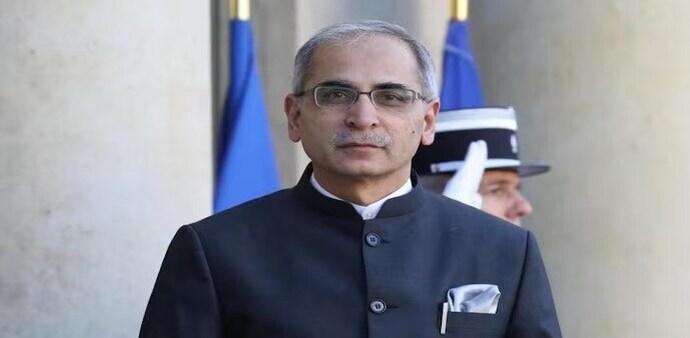
Indian Ambassador to the US Vinay Mohan Kwatra took to social media to rebut criticism of the proposed Foreign Contribution (Regulation) Amendment Bill, 2026, arguing that the measure is aimed at greater transparency, clearer rules and national security, rather than targeting churches, charities or any particular community.
Kwatra’s intervention came days after a US lawmaker raised concerns that the proposed changes could allow the Indian government to take control of churches and charities. Addressing the criticism, Kwatra cited comparable laws in other democracies, including the US Foreign Agents Registration Act (FARA) and Foreign Account Tax Compliance Act (FATCA), as well as laws in Australia, Canada, the UK and the EU.
He said India’s FCRA framework, first enacted in 1976 and modernised in 2010, had subsequently been strengthened in 2016, 2018 and 2020. “The 2026 Bill and Rules are the next step in the same direction: more transparency, better governance, clearer rules,” he said.
Kwatra also sought to clarify provisions concerning cancelled or surrendered registrations. He said foreign contributions and assets created from them already vest in a state government authority under a provision dating to 2010, while the proposed Bill would create a designated authority to safeguard such assets. If registration is restored, he said, the assets and unused funds would be returned in full.
On places of worship, Kwatra said their religious character would be protected. Where a cancelled association had created property connected to a place of worship, he said it would go to another FCRA-registered association of the same faith to ensure continuity of worship.
Rejecting concerns that the law would cut off foreign aid to civil society or target a particular community, Kwatra said the FCRA applied uniformly regardless of religion, community or ideology. He noted that of more than 3 million NGOs in India, only 14,450 held FCRA registration, meaning the overwhelming majority remained outside the Act.
Meanwhile, Congress general secretary K C Venugopal said opposition parties would strongly protest if the Bill was introduced in Parliament, calling it “unconstitutional and anti-people” and alleging that it targeted minorities and NGOs.
Mizoram Chief Minister Lalduhoma and several Christian organisations have separately urged the Centre to refer the Bill to a Joint Parliamentary Committee (JPC) before Parliament takes it up. The Catholic Bishops’ Conference of India, National Council of Churches in India and other Christian bodies have raised concerns over provisions dealing with cessation, asset vesting and the proposed regulatory authority, while seeking wider stakeholder consultation.
Indian Ambassador to the US Vinay Mohan Kwatra took to social media to rebut criticism of the proposed Foreign Contribution (Regulation) Amendment Bill, 2026, arguing that the measure is aimed at greater transparency, clearer rules and national security, rather than targeting churches, charities or any particular community.
Kwatra’s intervention came days after a US lawmaker raised concerns that the proposed changes could allow the Indian government to take control of churches and charities. Addressing the criticism, Kwatra cited comparable laws in other democracies, including the US Foreign Agents Registration Act (FARA) and Foreign Account Tax Compliance Act (FATCA), as well as laws in Australia, Canada, the UK and the EU.
He said India’s FCRA framework, first enacted in 1976 and modernised in 2010, had subsequently been strengthened in 2016, 2018 and 2020. “The 2026 Bill and Rules are the next step in the same direction: more transparency, better governance, clearer rules,” he said.
Kwatra also sought to clarify provisions concerning cancelled or surrendered registrations. He said foreign contributions and assets created from them already vest in a state government authority under a provision dating to 2010, while the proposed Bill would create a designated authority to safeguard such assets. If registration is restored, he said, the assets and unused funds would be returned in full.
On places of worship, Kwatra said their religious character would be protected. Where a cancelled association had created property connected to a place of worship, he said it would go to another FCRA-registered association of the same faith to ensure continuity of worship.
Rejecting concerns that the law would cut off foreign aid to civil society or target a particular community, Kwatra said the FCRA applied uniformly regardless of religion, community or ideology. He noted that of more than 3 million NGOs in India, only 14,450 held FCRA registration, meaning the overwhelming majority remained outside the Act.
Meanwhile, Congress general secretary K C Venugopal said opposition parties would strongly protest if the Bill was introduced in Parliament, calling it “unconstitutional and anti-people” and alleging that it targeted minorities and NGOs.
Mizoram Chief Minister Lalduhoma and several Christian organisations have separately urged the Centre to refer the Bill to a Joint Parliamentary Committee (JPC) before Parliament takes it up. The Catholic Bishops’ Conference of India, National Council of Churches in India and other Christian bodies have raised concerns over provisions dealing with cessation, asset vesting and the proposed regulatory authority, while seeking wider stakeholder consultation.