


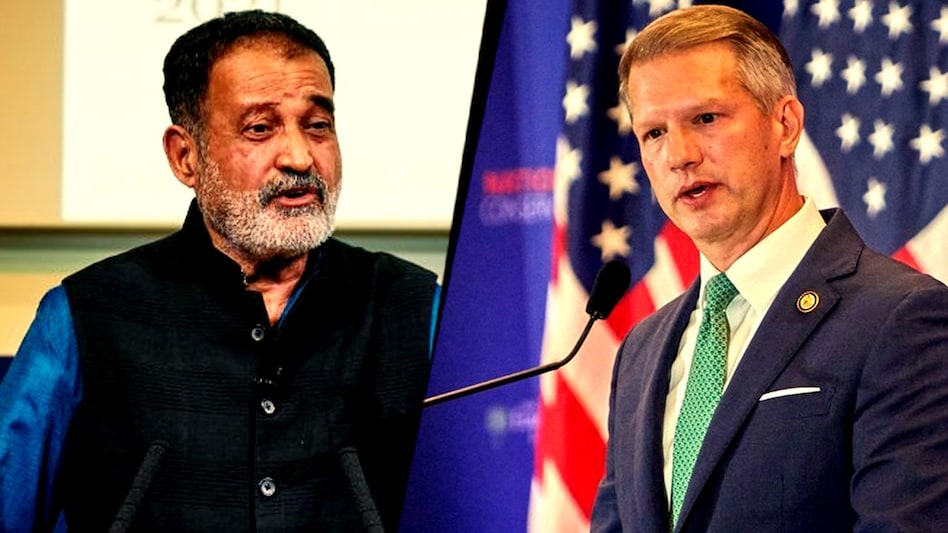
 Indians hit back at US Congressman over FCRA criticism: 'Stop spreading fake narratives'
Former Infosys CFO Mohandas Pai on Wednesday hit back at US Congressman Riley Moore over his criticism of India's proposed changes to the Foreign Contribution (Regulation) Act (FCRA). Pai accused him of spreading a "fake narrative" and ignoring the facts.
Must WATCH: FCRA Amendment Bill In Parliament Today | Centre Tightens Rules For Foreign-Funded NGOs

 A new engine for India's growth? Private investment finally picks up pace
 'NCLT order rightly stayed': Subhash Chandra personal guarantee issue back to the drawing board
 Rajiv Kumar pushed for changes at HDFC Bank; Sashidhar Jagdishan chose to step down: Report
  'Japan provides powerful inspiration': Ex-CEA backs PM Modi's push for domestic spending
  Reliance enters ice cream market with Bombay Creamery, prices start at Rs 10
 Kotak’s Mid Cap & Flexi Cap Strategy: Where Should Investors Bet Now?
 India GDP Growth At 7.8%: What It Means For The Economy, Markets & You
 Sugar Stocks Under Pressure | Govt Tightens Dealer Stock Limits Till Nov 30
 Market Commentary: Where Is The Next Big Opportunity? | Asit Bhandarkar
 Daily Calls: Ask Your STOCK MARKET TODAY QUERIES | Market Update | Share Market News Today
 Tata Tech, NCC, Data Patterns, eMudhra shares: Expert shares technical view, targets
 NTPC, GAIL, Gujarat Pipavav, TBZ, Triveni Turbine among 13 stocks to turn ex-dividend tomorrow
 Happiest Minds shares dive 11% to near listing price; ITC Infotech merger plan in focus: Buy, sell or hold?
 Happiest Minds stock crash: Buying opportunity after 11% fall? Analyst says this
  More pain likely on HDFC Bank counter, stock may fall to Rs 650 mark, says analyst
  Shortage of ships hits India's auto exports in August
 'Affordable today, distress tomorrow': ISB professor's warning for Indian home loan borrowersA new engine for India's growth? Private investment finally picks up pace
 From smartphones to semiconductors, India is building deeper supply chains'Japan provides powerful inspiration': Ex-CEA backs PM Modi's push for domestic spending












