
First meeting since Feb 2025: Will Modi and Trump finally talk trade at G7 in France?
India is not a permanent member of the G7 but participates annually as a special invitee. This year, French President Emmanuel Macron invited PM Modi to the June 15-17 summit
- May 20, 2026,
- Updated May 20, 2026 1:34 PM IST
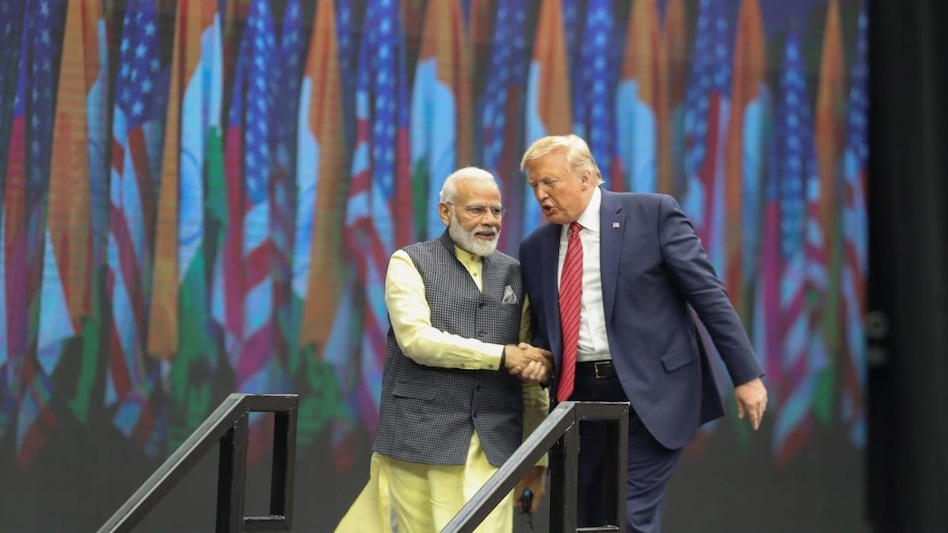
The last time Narendra Modi and Donald Trump were in the same room was February 2025, a high-profile White House meeting that produced warm words, big pledges, and considerable goodwill. Since then, the two leaders have managed to miss meeting each other at every major global gathering. That could change in June, when both are expected at the G7 Summit in Evian-les-Bains, France.
India is not a permanent member of the G7 but participates annually as a special invitee. This year, French President Emmanuel Macron invited PM Modi to the June 15-17 summit.
From friendship to friction
The February 2025 White House visit set an optimistic tone. Trump called Modi "a great friend," and the two leaders committed to doubling bilateral trade to $500 billion by 2030. The meeting was among the first major bilateral visits after Trump returned to office, and it carried real symbolic weight.
However, the warmth didn't last long. When India-Pakistan hostilities flared in May, Trump repeatedly claimed personal credit for brokering the ceasefire, pointing to trade pressure as the lever he pulled. Pakistan played along, but India didn't. PM Modi made it clear that the ceasefire was negotiated directly with Islamabad, publicly pushing back on the US President's version of events.
The two were expected to meet again on the sidelines of the G7 in Canada last year in June. But Trump left the summit early, and the meeting was cancelled. He subsequently invited PM to stop over in Washington on his way back, an offer India turned down, citing a scheduled visit to Croatia.
The tariff pressure
What followed was one of the more turbulent stretches in recent India-US relations. Washington imposed 25% reciprocal tariffs on Indian goods, along with an additional 25% tied to India's purchase of Russian oil. Trump and senior officials including Scott Bessent and Peter Navarro repeatedly criticised India, arguing that buying Russian oil was effectively funding Moscow's war effort in Ukraine.
Throughout this period, PM Modi held his ground. He neither publicly engaged with the pressure nor altered course, and he skipped several international forums, including events in Sharm El-Sheikh and the ASEAN Summit in Kuala Lumpur, where a run-in with Trump might have occurred.
A thaw, then stall
By September, the atmosphere had begun to shift. Trump sent PM birthday wishes, also when trade discussions picked up pace, and a framework agreement was reached in February this year. Tariffs came down to 18%, and the familiar "friend of mine from India" phrasing resurfaced in Trump's public remarks.
Then the Iran war and a US Supreme Court ruling striking down global tariffs got in the way of formalising any trade deal.
The two leaders last spoke on April 17, a 40-minute phone call, their third of the year. The specifics were not disclosed publicly, but the conversation covered bilateral ties and the situation in the Middle East. "I had a very good talk with him and he is a friend of mine from India and he's doing great," Trump told reporters afterwards.
The last time Narendra Modi and Donald Trump were in the same room was February 2025, a high-profile White House meeting that produced warm words, big pledges, and considerable goodwill. Since then, the two leaders have managed to miss meeting each other at every major global gathering. That could change in June, when both are expected at the G7 Summit in Evian-les-Bains, France.
India is not a permanent member of the G7 but participates annually as a special invitee. This year, French President Emmanuel Macron invited PM Modi to the June 15-17 summit.
From friendship to friction
The February 2025 White House visit set an optimistic tone. Trump called Modi "a great friend," and the two leaders committed to doubling bilateral trade to $500 billion by 2030. The meeting was among the first major bilateral visits after Trump returned to office, and it carried real symbolic weight.
However, the warmth didn't last long. When India-Pakistan hostilities flared in May, Trump repeatedly claimed personal credit for brokering the ceasefire, pointing to trade pressure as the lever he pulled. Pakistan played along, but India didn't. PM Modi made it clear that the ceasefire was negotiated directly with Islamabad, publicly pushing back on the US President's version of events.
The two were expected to meet again on the sidelines of the G7 in Canada last year in June. But Trump left the summit early, and the meeting was cancelled. He subsequently invited PM to stop over in Washington on his way back, an offer India turned down, citing a scheduled visit to Croatia.
The tariff pressure
What followed was one of the more turbulent stretches in recent India-US relations. Washington imposed 25% reciprocal tariffs on Indian goods, along with an additional 25% tied to India's purchase of Russian oil. Trump and senior officials including Scott Bessent and Peter Navarro repeatedly criticised India, arguing that buying Russian oil was effectively funding Moscow's war effort in Ukraine.
Throughout this period, PM Modi held his ground. He neither publicly engaged with the pressure nor altered course, and he skipped several international forums, including events in Sharm El-Sheikh and the ASEAN Summit in Kuala Lumpur, where a run-in with Trump might have occurred.
A thaw, then stall
By September, the atmosphere had begun to shift. Trump sent PM birthday wishes, also when trade discussions picked up pace, and a framework agreement was reached in February this year. Tariffs came down to 18%, and the familiar "friend of mine from India" phrasing resurfaced in Trump's public remarks.
Then the Iran war and a US Supreme Court ruling striking down global tariffs got in the way of formalising any trade deal.
The two leaders last spoke on April 17, a 40-minute phone call, their third of the year. The specifics were not disclosed publicly, but the conversation covered bilateral ties and the situation in the Middle East. "I had a very good talk with him and he is a friend of mine from India and he's doing great," Trump told reporters afterwards.