
Former CEA Arvind Subramanian says GST erodes states’ power even as tax council eases household levies
Subramanian acknowledged the recent GST rationalisation, noting that the removal of the 28% slab has made the tax "more good and more simple," but cautioned, “we're still some ways away from reaching that goal.”
- Sep 6, 2025,
- Updated Sep 6, 2025 2:33 PM IST
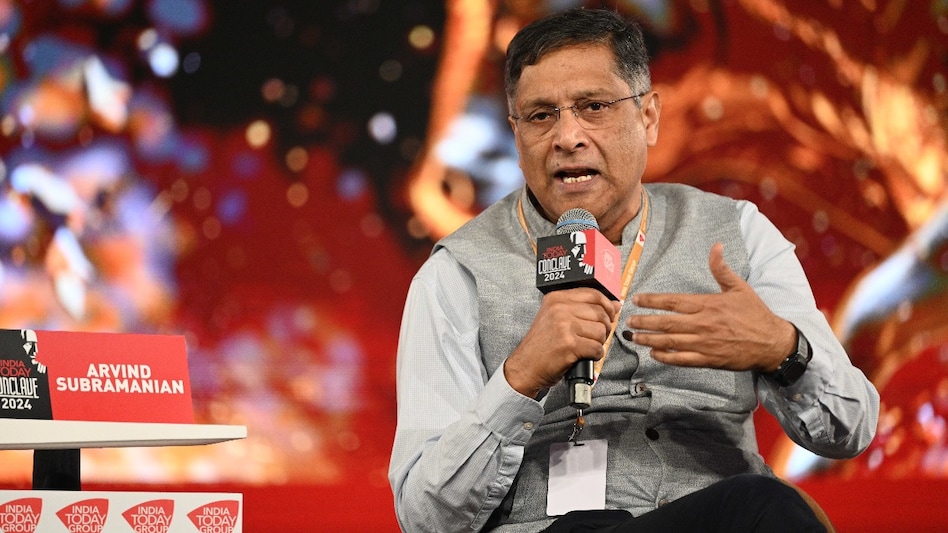
Former Chief Economic Advisor (CEA) Arvind Subramanian, once a strong proponent of the Goods and Services Tax (GST), has now voiced concerns that it erodes states’ fiscal autonomy and weakens cooperative federalism. His remarks come amid renewed debate on whether petroleum should be brought under the GST framework.
“Over the last five years, states' fiscal sovereignty has been taken away by the GST. I had hoped that revenue performance would be good and the Union government would also act in a spirit of cooperative federalism. I am afraid to say both the revenue performance and the spirit of cooperative federalism is not as strong as it used to be,” Subramanian told India Today.
“Asking states to give up more sovereignty by bringing in petroleum under the GST would now be a tough sell and a tough ask,” he added.
Subramanian acknowledged the recent GST rationalisation, noting that the removal of the 28% slab has made the tax "more good and more simple," but cautioned, “we're still some ways away from reaching that goal.” He estimated a potential annual revenue loss of ₹1.5-2 lakh crore from the reform, warning of a permanent impact on the country’s fiscal situation. He also flagged the persistence of “inspector Raj,” which he said has worsened marginally post-GST.
Meanwhile, the GST Council on September 3 approved a dual-rate structure of 5% and 18% for indirect tax levy, bringing relief to households ahead of the festive season. The new rates, effective September 22, will reduce costs on a range of items including hair oil, soap bars, shampoos, bicycles, toothbrushes, tableware and kitchenware.
The move, announced at a meeting chaired by Union Finance Minister Nirmala Sitharaman, eliminates the 12% and 28% slabs along with the compensation cess. A 40% rate will apply to specified sin and luxury goods such as pan masala, cigarettes, gutkha and chewing tobacco.
“The net fiscal implication of the move is expected at about ₹48,000 crore based on the consumption base of 2023-24,” Revenue Secretary Arvind Shrivastava said. The reform also follows Prime Minister Narendra Modi’s Independence Day pledge of “next generation GST reforms” by Diwali.
Former Chief Economic Advisor (CEA) Arvind Subramanian, once a strong proponent of the Goods and Services Tax (GST), has now voiced concerns that it erodes states’ fiscal autonomy and weakens cooperative federalism. His remarks come amid renewed debate on whether petroleum should be brought under the GST framework.
“Over the last five years, states' fiscal sovereignty has been taken away by the GST. I had hoped that revenue performance would be good and the Union government would also act in a spirit of cooperative federalism. I am afraid to say both the revenue performance and the spirit of cooperative federalism is not as strong as it used to be,” Subramanian told India Today.
“Asking states to give up more sovereignty by bringing in petroleum under the GST would now be a tough sell and a tough ask,” he added.
Subramanian acknowledged the recent GST rationalisation, noting that the removal of the 28% slab has made the tax "more good and more simple," but cautioned, “we're still some ways away from reaching that goal.” He estimated a potential annual revenue loss of ₹1.5-2 lakh crore from the reform, warning of a permanent impact on the country’s fiscal situation. He also flagged the persistence of “inspector Raj,” which he said has worsened marginally post-GST.
Meanwhile, the GST Council on September 3 approved a dual-rate structure of 5% and 18% for indirect tax levy, bringing relief to households ahead of the festive season. The new rates, effective September 22, will reduce costs on a range of items including hair oil, soap bars, shampoos, bicycles, toothbrushes, tableware and kitchenware.
The move, announced at a meeting chaired by Union Finance Minister Nirmala Sitharaman, eliminates the 12% and 28% slabs along with the compensation cess. A 40% rate will apply to specified sin and luxury goods such as pan masala, cigarettes, gutkha and chewing tobacco.
“The net fiscal implication of the move is expected at about ₹48,000 crore based on the consumption base of 2023-24,” Revenue Secretary Arvind Shrivastava said. The reform also follows Prime Minister Narendra Modi’s Independence Day pledge of “next generation GST reforms” by Diwali.