
Four hikes in two weeks: Will petrol, diesel prices rise again? What we know so far
Across India's major cities, fuel costs have risen four times in the span of two weeks, and sources indicate the increases may not be over yet
- May 29, 2026,
- Updated May 29, 2026 3:16 PM IST
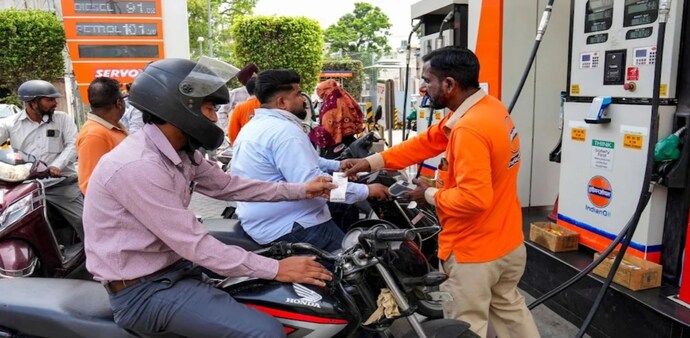
Petrol prices in Delhi have crossed Rs 100 per litre. In Mumbai, they have gone past Rs 110. Across India's major cities, fuel costs have risen four times in the span of two weeks, and sources indicate the increases may not be over yet.
The most recent revision on Monday kept prices stable on May 29, but the cumulative impact of the recent rounds of hikes has been significant. Petrol has risen by Rs 2.61 per litre and diesel by Rs 2.71 across the latest series of revisions, as oil marketing companies work to claw back losses that had been mounting for months while retail prices were held frozen.
Fuel prices across key cities as of May 29
| City | Petrol (₹/litre) | Diesel (₹/litre) |
| Delhi | 102.12 | 95.20 |
| Hyderabad | 115.69 | 103.82 |
| Kolkata | 113.51 | 99.82 |
| Mumbai | 111.18 | 97.83 |
| Bengaluru | 110.89 | 98.80 |
| Chennai | 107.85 | 99.66 |
Will prices rise again?
Sources told Business Today TV that further hikes have not been ruled out, though any future increases are expected to be gradual. The reason is straightforward: oil companies need to recover losses accumulated over the past 75 days when prices were kept frozen despite surging crude costs.
Sujata Sharma, Joint Secretary in the Ministry of Petroleum and Natural Gas, stated on Monday that oil companies were incurring losses of approximately Rs 750 crore per day. The May 15 hike had cut those losses by roughly a quarter, she said, but a substantial gap remains.
An Indian Oil Corporation official told Informist that the decision to raise prices gradually was deliberate, driven by the need to limit inflationary impact. "The oil companies were trying to protect consumers as much as possible," the official said, adding that the company did not anticipate a significant fall in fuel demand as a result of the hikes. The official also confirmed that no specific quantum of future price increases had been finalised.
How India got here
The story of India's fuel price surge runs through a familiar set of pressure points. Global crude prices have climbed more than 50% since US-Israeli strikes on Iran on February 28 triggered the conflict, with Tehran's retaliation disrupting flows through the Strait of Hormuz, the chokepoint through which roughly a fifth of the world's oil supply passes. Global crude has since crossed USD 100 per barrel and remained elevated.
Despite that surge, retail fuel prices in India were kept frozen for months. The government said the freeze was intended to shield price-sensitive consumers from global energy cost volatility. Opposition parties, however, pointed to the timing, several key state elections were underway, and questioned the political motives behind the decision.
The freeze broke on May 9, when prices were raised by Rs 3 per litre for the first time in over four years. That increase, which came after the conclusion of polling and after the BJP expanded its influence by winning three of five states, including West Bengal, covered only about a fifth of the gap between retail prices and actual costs. The subsequent rounds of hikes, including a 90-paise revision days later, have gradually narrowed that gap, though sources indicate the full recovery is still a work in progress.
Compressed natural gas prices have also been revised upward, with a Rs 2 per kg increase in Delhi and Mumbai on May 15, followed by a further Rs 1 per kg hike on Sunday.
Petrol prices in Delhi have crossed Rs 100 per litre. In Mumbai, they have gone past Rs 110. Across India's major cities, fuel costs have risen four times in the span of two weeks, and sources indicate the increases may not be over yet.
The most recent revision on Monday kept prices stable on May 29, but the cumulative impact of the recent rounds of hikes has been significant. Petrol has risen by Rs 2.61 per litre and diesel by Rs 2.71 across the latest series of revisions, as oil marketing companies work to claw back losses that had been mounting for months while retail prices were held frozen.
Fuel prices across key cities as of May 29
| City | Petrol (₹/litre) | Diesel (₹/litre) |
| Delhi | 102.12 | 95.20 |
| Hyderabad | 115.69 | 103.82 |
| Kolkata | 113.51 | 99.82 |
| Mumbai | 111.18 | 97.83 |
| Bengaluru | 110.89 | 98.80 |
| Chennai | 107.85 | 99.66 |
Will prices rise again?
Sources told Business Today TV that further hikes have not been ruled out, though any future increases are expected to be gradual. The reason is straightforward: oil companies need to recover losses accumulated over the past 75 days when prices were kept frozen despite surging crude costs.
Sujata Sharma, Joint Secretary in the Ministry of Petroleum and Natural Gas, stated on Monday that oil companies were incurring losses of approximately Rs 750 crore per day. The May 15 hike had cut those losses by roughly a quarter, she said, but a substantial gap remains.
An Indian Oil Corporation official told Informist that the decision to raise prices gradually was deliberate, driven by the need to limit inflationary impact. "The oil companies were trying to protect consumers as much as possible," the official said, adding that the company did not anticipate a significant fall in fuel demand as a result of the hikes. The official also confirmed that no specific quantum of future price increases had been finalised.
How India got here
The story of India's fuel price surge runs through a familiar set of pressure points. Global crude prices have climbed more than 50% since US-Israeli strikes on Iran on February 28 triggered the conflict, with Tehran's retaliation disrupting flows through the Strait of Hormuz, the chokepoint through which roughly a fifth of the world's oil supply passes. Global crude has since crossed USD 100 per barrel and remained elevated.
Despite that surge, retail fuel prices in India were kept frozen for months. The government said the freeze was intended to shield price-sensitive consumers from global energy cost volatility. Opposition parties, however, pointed to the timing, several key state elections were underway, and questioned the political motives behind the decision.
The freeze broke on May 9, when prices were raised by Rs 3 per litre for the first time in over four years. That increase, which came after the conclusion of polling and after the BJP expanded its influence by winning three of five states, including West Bengal, covered only about a fifth of the gap between retail prices and actual costs. The subsequent rounds of hikes, including a 90-paise revision days later, have gradually narrowed that gap, though sources indicate the full recovery is still a work in progress.
Compressed natural gas prices have also been revised upward, with a Rs 2 per kg increase in Delhi and Mumbai on May 15, followed by a further Rs 1 per kg hike on Sunday.