
Fresh COVID-19 wave in India: Active case count surpasses 2,700; Kerala tops with 1,147 infections
The Health Ministry has reassured that despite the rising numbers, the situation remains under control due to the mild nature of most cases.
- May 31, 2025,
- Updated May 31, 2025 11:19 AM IST
Active COVID-19 cases in India have reached 2,710, with Kerala contributing the majority of infections, according to the Ministry of Health and Family Welfare. A notable five-fold increase in cases has been observed, surpassing the 1,000-mark in the week ending 25 May. This rise comes after a period of relatively low infection rates across the country.
Kerala reported 1,147 active cases, followed by Maharashtra with 424 and Delhi with 294. Other states like Gujarat, Karnataka, and Tamil Nadu also reported significant numbers. A total of seven deaths have been recorded in the last 24 hours, raising the year's death toll to 22. The Health Ministry maintains that most COVID-19 cases are mild and urges the public not to panic.
Kerala's high case count may be linked to increased testing efforts within the state. In contrast, Mizoram reported two COVID-19 cases for the first time in seven months. The Health Ministry has reassured that despite the rising numbers, the situation remains under control due to the mild nature of most cases.
Two new Omicron sub-variants, LF.7 and NB.1.8.1, are believed to be contributing to the increase in cases, although JN.1 remains the most predominant strain in the country. These variants have not been classified by the World Health Organisation as Variants of Concern or Variants of Interest.
Experts indicate that while these new variants might evade immunity to an extent, there is no evidence to suggest they lead to severe long-term infections. Symptoms commonly associated with these variants mirror those of the flu, including fever, runny nose, and sore throat.
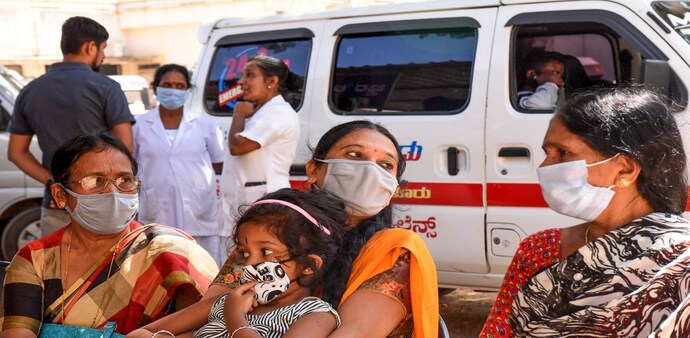
In response to the surge, state governments have been advised to ensure the availability of medical resources, such as beds, oxygen cylinders, and vaccines. Authorities are focusing particularly on protecting the elderly and those with co-morbidities, advocating for mask usage in crowded places to curb transmissions.
The situation in India highlights the need for continued vigilance and readiness to manage localised outbreaks, especially with new variants emerging. Health officials remain on alert, monitoring the situation closely while providing necessary support to affected regions.
Despite the rise in cases, the Health Ministry's position that "there is no need to panic" aims to reassure the public while encouraging adherence to health precautions and ensuring medical facilities are optimally prepared.
Active COVID-19 cases in India have reached 2,710, with Kerala contributing the majority of infections, according to the Ministry of Health and Family Welfare. A notable five-fold increase in cases has been observed, surpassing the 1,000-mark in the week ending 25 May. This rise comes after a period of relatively low infection rates across the country.
Kerala reported 1,147 active cases, followed by Maharashtra with 424 and Delhi with 294. Other states like Gujarat, Karnataka, and Tamil Nadu also reported significant numbers. A total of seven deaths have been recorded in the last 24 hours, raising the year's death toll to 22. The Health Ministry maintains that most COVID-19 cases are mild and urges the public not to panic.
Kerala's high case count may be linked to increased testing efforts within the state. In contrast, Mizoram reported two COVID-19 cases for the first time in seven months. The Health Ministry has reassured that despite the rising numbers, the situation remains under control due to the mild nature of most cases.
Two new Omicron sub-variants, LF.7 and NB.1.8.1, are believed to be contributing to the increase in cases, although JN.1 remains the most predominant strain in the country. These variants have not been classified by the World Health Organisation as Variants of Concern or Variants of Interest.
Experts indicate that while these new variants might evade immunity to an extent, there is no evidence to suggest they lead to severe long-term infections. Symptoms commonly associated with these variants mirror those of the flu, including fever, runny nose, and sore throat.
In response to the surge, state governments have been advised to ensure the availability of medical resources, such as beds, oxygen cylinders, and vaccines. Authorities are focusing particularly on protecting the elderly and those with co-morbidities, advocating for mask usage in crowded places to curb transmissions.
The situation in India highlights the need for continued vigilance and readiness to manage localised outbreaks, especially with new variants emerging. Health officials remain on alert, monitoring the situation closely while providing necessary support to affected regions.
Despite the rise in cases, the Health Ministry's position that "there is no need to panic" aims to reassure the public while encouraging adherence to health precautions and ensuring medical facilities are optimally prepared.