
From attack to QR security: How J&K is rebuilding tourist safety in Pahalgam after 2025 attack
The news system has found support among local tourism operators.
- Apr 22, 2026,
- Updated Apr 22, 2026 8:00 AM IST
Days after the horrific terror attack, authorities in Pahalgam rolled out a QR code-based scanning system aimed at tightening security and regulating tourism services in the region, according to a report by ANI.
The initiative allows real-time verification of tourists, service providers, and local businesses. By integrating this system into daily operations, officials aim to prevent unauthorised activities, improve transparency, and rebuild confidence among visitors as normalcy slowly returns.
Locals welcome this digital move
The system has found support among local tourism operators.
Basheer Ahmed, a horse operator in Pahalgam, said, “QR is a facility; nobody can operate here illegally. This is good for us. I received this QR 20 days ago from the police station. This is especially for local horse operators in Pahalgam and others engaged in the tourism business here. This is a positive step by the government.”
Similarly, Gulzar Ahmad Wani, Vice President of Tourist Taxi Stand No. 2 in Pahalgam, said the QR code system ensures only local operators are allowed to work, preventing outside interference in the tourism sector. He added that the system is beneficial for regulating services in the region.
Tourism and livelihoods affected
Even as the new system is being implemented, locals say the impact of the terror attack continues to be felt. With restrictions in place and key tourist spots shut, many dependent on tourism are facing losses.
“I condemn the attack that happened here; this has affected our livelihood. We are dependent on tourists for our livelihood. We appeal to the LG and the Central Government that Baisaran should be reopened. Tourists get disheartened as they cannot visit it right now since it remains shut,” Wani told ANI.
Calls to reopen tourist destinations
Stakeholders have urged authorities to reopen popular destinations such as Baisaran and Chandanwari, noting a decline in tourist footfall not just in Pahalgam but across Jammu and Kashmir.
Wani said such incidents should not be repeated and stressed that reopening these areas would help revive tourism in the region.
“QR codes provided to us by the police administration are really good because no one from outside can come and work here. Only locals will be able to work here. May we never see such days again. I urge the LG to reopen tourist places in Pahalgam that are currently shut, be it Baisaran or Chandanwari, because fewer tourists are visiting. I am not talking about just Pahalgam, but the entire J&K. All tourist places should be reopened. The attack should never have happened. I am thankful to the HM and LG who urged tourists to visit. Kashmir is theirs. India and we are one,” he added.
Developments over the past year
A year after the April 22, 2025 terror attack in Baisaran meadow that killed 26 people, including 25 tourists and a local pony operator, the Jammu and Kashmir administration has implemented a series of measures to strengthen security across tourist hubs and rebuild confidence among visitors.
One of the key steps has been the introduction of a QR code-based identification system for all tourism service providers, including pony operators, vendors, photographers, and shopkeepers. The system links personal and Aadhaar details with local police stations, allowing security forces to scan and verify individuals on the spot and ensure that only registered operators are working.
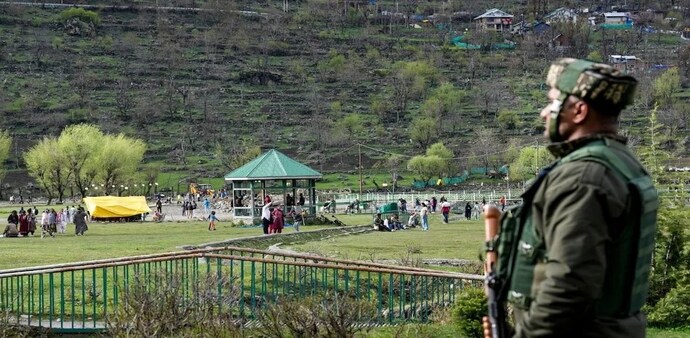
Security has also been significantly tightened across major tourist destinations, particularly in south Kashmir. Police deployment has been increased, random checks intensified, and patrolling stepped up in and around key tourist areas.
In the months following the attack, authorities shut down nearly 50 tourist locations as a precautionary measure. Many of these sites have since been reopened in phases after undergoing security audits to assess risks and preparedness.
The administration has further strengthened surveillance and monitoring systems, adding more checkpoints and closer tracking of movement in sensitive areas. During major events such as the Amarnath Yatra, additional precautions were introduced, including declaring routes as “no-fly zones” and banning drones to prevent aerial threats.
(With inputs from ANI)
Days after the horrific terror attack, authorities in Pahalgam rolled out a QR code-based scanning system aimed at tightening security and regulating tourism services in the region, according to a report by ANI.
The initiative allows real-time verification of tourists, service providers, and local businesses. By integrating this system into daily operations, officials aim to prevent unauthorised activities, improve transparency, and rebuild confidence among visitors as normalcy slowly returns.
Locals welcome this digital move
The system has found support among local tourism operators.
Basheer Ahmed, a horse operator in Pahalgam, said, “QR is a facility; nobody can operate here illegally. This is good for us. I received this QR 20 days ago from the police station. This is especially for local horse operators in Pahalgam and others engaged in the tourism business here. This is a positive step by the government.”
Similarly, Gulzar Ahmad Wani, Vice President of Tourist Taxi Stand No. 2 in Pahalgam, said the QR code system ensures only local operators are allowed to work, preventing outside interference in the tourism sector. He added that the system is beneficial for regulating services in the region.
Tourism and livelihoods affected
Even as the new system is being implemented, locals say the impact of the terror attack continues to be felt. With restrictions in place and key tourist spots shut, many dependent on tourism are facing losses.
“I condemn the attack that happened here; this has affected our livelihood. We are dependent on tourists for our livelihood. We appeal to the LG and the Central Government that Baisaran should be reopened. Tourists get disheartened as they cannot visit it right now since it remains shut,” Wani told ANI.
Calls to reopen tourist destinations
Stakeholders have urged authorities to reopen popular destinations such as Baisaran and Chandanwari, noting a decline in tourist footfall not just in Pahalgam but across Jammu and Kashmir.
Wani said such incidents should not be repeated and stressed that reopening these areas would help revive tourism in the region.
“QR codes provided to us by the police administration are really good because no one from outside can come and work here. Only locals will be able to work here. May we never see such days again. I urge the LG to reopen tourist places in Pahalgam that are currently shut, be it Baisaran or Chandanwari, because fewer tourists are visiting. I am not talking about just Pahalgam, but the entire J&K. All tourist places should be reopened. The attack should never have happened. I am thankful to the HM and LG who urged tourists to visit. Kashmir is theirs. India and we are one,” he added.
Developments over the past year
A year after the April 22, 2025 terror attack in Baisaran meadow that killed 26 people, including 25 tourists and a local pony operator, the Jammu and Kashmir administration has implemented a series of measures to strengthen security across tourist hubs and rebuild confidence among visitors.
One of the key steps has been the introduction of a QR code-based identification system for all tourism service providers, including pony operators, vendors, photographers, and shopkeepers. The system links personal and Aadhaar details with local police stations, allowing security forces to scan and verify individuals on the spot and ensure that only registered operators are working.
Security has also been significantly tightened across major tourist destinations, particularly in south Kashmir. Police deployment has been increased, random checks intensified, and patrolling stepped up in and around key tourist areas.
In the months following the attack, authorities shut down nearly 50 tourist locations as a precautionary measure. Many of these sites have since been reopened in phases after undergoing security audits to assess risks and preparedness.
The administration has further strengthened surveillance and monitoring systems, adding more checkpoints and closer tracking of movement in sensitive areas. During major events such as the Amarnath Yatra, additional precautions were introduced, including declaring routes as “no-fly zones” and banning drones to prevent aerial threats.
(With inputs from ANI)