
From bhujia to papad: How West Asia conflict is choking Bikaner's snack exports
Exporters said the movement of containers has slowed considerably, with shipments that earlier took around 30 days now taking up to 60 days as vessels take longer and safer routes amid the conflict.
- Apr 4, 2026,
- Updated Apr 4, 2026 8:30 PM IST
The ongoing conflict in West Asia has begun to affect exporters in Rajasthan’s Bikaner region, with shipments of popular food items such as bhujia, papad and spices to Gulf and European markets facing significant disruptions.
Bikaner, widely known for its namkeen industry, exports large volumes of snacks, spices and related products to countries across the Gulf region as well as parts of Europe. However, exporters say the conflict has led to delays in shipping, rising freight charges and a shortage of containers, affecting both exports and imports, as per a PTI report.
According to traders, escalating logistics and input costs are putting pressure on the industry. Ashish Agarwal, a namkeen trader associated with the Bhikharam group, said freight costs have surged sharply due to the conflict, while raw material prices are also climbing.
“Freight charges have increased sharply due to the war, and raw material prices are also rising. The cost of edible oil has gone up by around 20 per cent in the last one month, which is directly impacting production,” Agarwal told PTI.
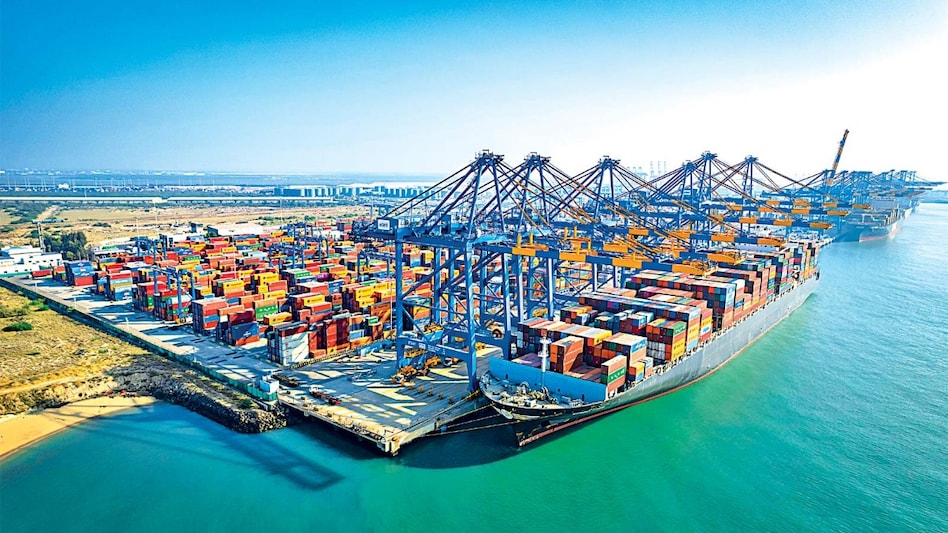
Exporters said the movement of containers has slowed considerably, with shipments that earlier took around 30 days now taking up to 60 days as vessels take longer and safer routes amid the conflict.
Rajesh Jindal, an exporter, said both incoming and outgoing consignments are facing delays, increasing financial pressure on traders.
“Goods coming in and going out are both getting delayed, and costs have increased substantially. Demand for Bikaneri snacks and spices remains strong in Arab countries, but supply chain disruptions are causing losses,” JIndal told PTI.
Apart from exports, traders said imports of key raw materials such as palm oil and soybean have also been affected. Rising petroleum prices have pushed packaging costs up by 30–40 per cent, adding to the burden on manufacturers.
As per the report, exporters said the current period is critical for the namkeen trade as preparations for the peak export season usually begin around this time. However, uncertainty over delivery timelines and rising freight charges have forced traders to reassess their export strategies.
Industry estimates suggest that around 15 to 20 containers of bhujia, papad and namkeen are exported from Bikaner every month, along with nearly 60 containers of other goods. At present, much of this trade has slowed, with consignments worth crores reportedly stuck at ports or in transit.
Shipments from Bikaner are largely routed by sea to countries including Iran, Iraq, Oman, the UAE, Qatar and Bahrain, as well as European nations such as the UK, Germany, France, Italy and Spain.
The ongoing conflict in West Asia has begun to affect exporters in Rajasthan’s Bikaner region, with shipments of popular food items such as bhujia, papad and spices to Gulf and European markets facing significant disruptions.
Bikaner, widely known for its namkeen industry, exports large volumes of snacks, spices and related products to countries across the Gulf region as well as parts of Europe. However, exporters say the conflict has led to delays in shipping, rising freight charges and a shortage of containers, affecting both exports and imports, as per a PTI report.
According to traders, escalating logistics and input costs are putting pressure on the industry. Ashish Agarwal, a namkeen trader associated with the Bhikharam group, said freight costs have surged sharply due to the conflict, while raw material prices are also climbing.
“Freight charges have increased sharply due to the war, and raw material prices are also rising. The cost of edible oil has gone up by around 20 per cent in the last one month, which is directly impacting production,” Agarwal told PTI.
Exporters said the movement of containers has slowed considerably, with shipments that earlier took around 30 days now taking up to 60 days as vessels take longer and safer routes amid the conflict.
Rajesh Jindal, an exporter, said both incoming and outgoing consignments are facing delays, increasing financial pressure on traders.
“Goods coming in and going out are both getting delayed, and costs have increased substantially. Demand for Bikaneri snacks and spices remains strong in Arab countries, but supply chain disruptions are causing losses,” JIndal told PTI.
Apart from exports, traders said imports of key raw materials such as palm oil and soybean have also been affected. Rising petroleum prices have pushed packaging costs up by 30–40 per cent, adding to the burden on manufacturers.
As per the report, exporters said the current period is critical for the namkeen trade as preparations for the peak export season usually begin around this time. However, uncertainty over delivery timelines and rising freight charges have forced traders to reassess their export strategies.
Industry estimates suggest that around 15 to 20 containers of bhujia, papad and namkeen are exported from Bikaner every month, along with nearly 60 containers of other goods. At present, much of this trade has slowed, with consignments worth crores reportedly stuck at ports or in transit.
Shipments from Bikaner are largely routed by sea to countries including Iran, Iraq, Oman, the UAE, Qatar and Bahrain, as well as European nations such as the UK, Germany, France, Italy and Spain.