
From dense fog to snow alerts: What the IMD warns for Delhi and North India from Feb 1
The IMD has issued a yellow alert for rain in Delhi, warning that a rare sequence of three Western Disturbances (WDs) will influence weather conditions across North and Central India over the next week, extending spells of rain, snowfall, fog, and cold-day conditions into early February.
- Jan 31, 2026,
- Updated Jan 31, 2026 8:46 PM IST
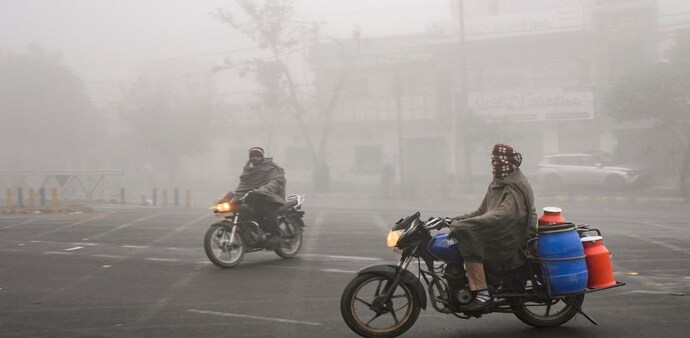
Delhi and the National Capital Region (NCR) woke up to yet another cold and foggy morning on Saturday, with dense fog reducing visibility across several pockets and temperatures dipping to around 7°C in the capital.
The India Meteorological Department (IMD) has issued a yellow alert for rain in Delhi, warning that a rare sequence of three Western Disturbances (WDs) will influence weather conditions across North and Central India over the next week, extending spells of rain, snowfall, fog, and cold-day conditions into early February.
Back-to-back Western disturbances
According to the IMD, two Western Disturbances arriving in quick succession between January 31 and February 3 will bring light to moderate rainfall and snowfall across the Western Himalayan region, while adjoining plains in Northwest and Central India are expected to witness scattered showers.
In a post on X (formally twitter), the IMD said the systems could significantly impact travel and daily life, urging people to stay weather-aware and plan accordingly.
Meteorologists have termed the sequence unusual, noting that a third system expected between February 5 and February 7 could prolong unsettled weather across northwestern parts of the country well into the first week of February.
Snowfall, thunderstorms likely in Himalayan states
The Western Himalayan region is expected to bear the brunt of the first two systems:
- Jammu & Kashmir and Ladakh are likely to experience widespread rain and snowfall accompanied by thunderstorms and strong winds of 30-40 kmph from January 31 to February 2.
- Himachal Pradesh and Uttarakhand may see snowfall over higher reaches, while lower areas are expected to receive rain and thunderstorms on February 1 and 2.
- Punjab, Haryana and Chandigarh are on alert for scattered rain and thunderstorms on February 1.
Dense fog and ‘cold day’ conditions return
While minimum temperatures briefly rose on January 30, the IMD has warned of persistent dense fog in isolated areas across Himachal Pradesh, Uttarakhand, Punjab, Haryana, Chandigarh and East Rajasthan till February 1, potentially disrupting early morning travel.
For Delhi, conditions are expected to shift from mist to a generally cloudy sky, with a chance of light rain and gusty winds beginning Saturday night. Minimum temperatures are forecast to range between 6°C and 13°C over the next few days.
The weather office has also cautioned that ‘cold day’ conditions, where maximum temperatures remain significantly below normal, could return by early next week despite cloud cover slightly moderating nighttime temperatures.
Rain spreads to central and eastern India
The impact of the Western Disturbances is expected to extend beyond northern India:
- East Uttar Pradesh may receive light rain accompanied by lightning on February 2.
- Eastern Madhya Pradesh is likely to witness thunderstorms and light rainfall on February 2 and 3.
- Rajasthan could see isolated hailstorms over western parts on January 31, shifting towards eastern regions by February 1.
Travel and safety advisories issued
The IMD has advised residents and travellers to remain cautious, warning of possible flight and train delays due to dense fog and rain, particularly in the NCR, Punjab and Haryana.
Farmers in Rajasthan and Haryana have been urged to take precautions against strong winds and hailstorms, which could damage standing crops. Authorities have also flagged the risk of slippery roads and reduced visibility in hill regions due to snowfall.
Delhi and the National Capital Region (NCR) woke up to yet another cold and foggy morning on Saturday, with dense fog reducing visibility across several pockets and temperatures dipping to around 7°C in the capital.
The India Meteorological Department (IMD) has issued a yellow alert for rain in Delhi, warning that a rare sequence of three Western Disturbances (WDs) will influence weather conditions across North and Central India over the next week, extending spells of rain, snowfall, fog, and cold-day conditions into early February.
Back-to-back Western disturbances
According to the IMD, two Western Disturbances arriving in quick succession between January 31 and February 3 will bring light to moderate rainfall and snowfall across the Western Himalayan region, while adjoining plains in Northwest and Central India are expected to witness scattered showers.
In a post on X (formally twitter), the IMD said the systems could significantly impact travel and daily life, urging people to stay weather-aware and plan accordingly.
Meteorologists have termed the sequence unusual, noting that a third system expected between February 5 and February 7 could prolong unsettled weather across northwestern parts of the country well into the first week of February.
Snowfall, thunderstorms likely in Himalayan states
The Western Himalayan region is expected to bear the brunt of the first two systems:
- Jammu & Kashmir and Ladakh are likely to experience widespread rain and snowfall accompanied by thunderstorms and strong winds of 30-40 kmph from January 31 to February 2.
- Himachal Pradesh and Uttarakhand may see snowfall over higher reaches, while lower areas are expected to receive rain and thunderstorms on February 1 and 2.
- Punjab, Haryana and Chandigarh are on alert for scattered rain and thunderstorms on February 1.
Dense fog and ‘cold day’ conditions return
While minimum temperatures briefly rose on January 30, the IMD has warned of persistent dense fog in isolated areas across Himachal Pradesh, Uttarakhand, Punjab, Haryana, Chandigarh and East Rajasthan till February 1, potentially disrupting early morning travel.
For Delhi, conditions are expected to shift from mist to a generally cloudy sky, with a chance of light rain and gusty winds beginning Saturday night. Minimum temperatures are forecast to range between 6°C and 13°C over the next few days.
The weather office has also cautioned that ‘cold day’ conditions, where maximum temperatures remain significantly below normal, could return by early next week despite cloud cover slightly moderating nighttime temperatures.
Rain spreads to central and eastern India
The impact of the Western Disturbances is expected to extend beyond northern India:
- East Uttar Pradesh may receive light rain accompanied by lightning on February 2.
- Eastern Madhya Pradesh is likely to witness thunderstorms and light rainfall on February 2 and 3.
- Rajasthan could see isolated hailstorms over western parts on January 31, shifting towards eastern regions by February 1.
Travel and safety advisories issued
The IMD has advised residents and travellers to remain cautious, warning of possible flight and train delays due to dense fog and rain, particularly in the NCR, Punjab and Haryana.
Farmers in Rajasthan and Haryana have been urged to take precautions against strong winds and hailstorms, which could damage standing crops. Authorities have also flagged the risk of slippery roads and reduced visibility in hill regions due to snowfall.