
Private fuel retailer Nayara Energy hikes prices: Petrol up ₹5, diesel ₹3 amid crude oil spike
The price increase comes as fuel retailers face rising input costs following a sharp increase in international crude prices linked to the ongoing conflict in West Asia
- Mar 26, 2026,
- Updated Mar 26, 2026 4:43 PM IST
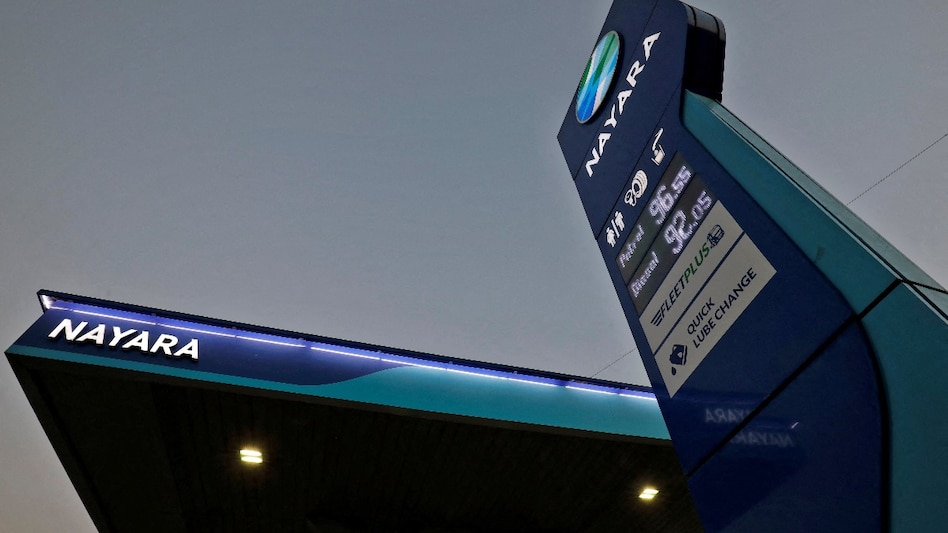
Nayara Energy has raised petrol prices by ₹5 per litre and diesel by ₹3 per litre, becoming the first major fuel retailer to pass on part of the recent surge in global oil prices to consumers, PTI reported, citing sources.
The price increase comes as fuel retailers face rising input costs following a sharp increase in international crude prices linked to the ongoing conflict in West Asia.
According to pump manager, price of petrol now stands at Rs 105.71 from Rs 100.71, while diesel now costs Rs 94.31 from Rs 91.31 earlier.
Must read: Why the Black Sea corridor now rivals the Strait of Hormuz in strategic importance
Nayara Energy, which operates 6,967 petrol pumps out of the country's 102,075 outlets, has decided to adjust retail prices to offset part of the cost pressures, the report published on March 26 added citing sources. The effective increase varies across states depending on local taxes such as VAT, with petrol prices rising by as much as ₹5.30 per litre in some regions.
Must read: West Asia conflict: Iran permits Indian ships to transit via Hormuz, blocks 'enemy nations'
Other private retailers have so far held prices steady. Jio-bp, the fuel retail joint venture between Reliance Industries and BP Plc, which operates 2,185 outlets, has not increased rates despite incurring losses on fuel sales.
State-owned retailers — Indian Oil Corporation, Bharat Petroleum Corporation Ltd and Hindustan Petroleum Corporation Ltd — which together control about 90 per cent of the market, have also kept prices unchanged.
Retail petrol and diesel prices have remained frozen since April 2022, even as global oil prices have risen sharply. Crude prices surged nearly 50 per cent after February 28, when the United States and Israel launched military strikes against Iran, triggering retaliation and disruptions in supply routes.
International oil prices touched $119 per barrel earlier this month before easing to around $100.
Sources told the news agency that private fuel retailers do not receive government compensation to offset losses from holding back price increases, unlike state-owned firms that are supported for acting as "good corporate citizens", leaving them with limited options as losses mount.
India imports about 88 per cent of its crude oil requirement and roughly half of its natural gas, much of which transits through the Strait of Hormuz.
Following military strikes on Iran, concerns over shipping safety and insurance withdrawals have disrupted tanker movements, tightening supply.
Nayara Energy has raised petrol prices by ₹5 per litre and diesel by ₹3 per litre, becoming the first major fuel retailer to pass on part of the recent surge in global oil prices to consumers, PTI reported, citing sources.
The price increase comes as fuel retailers face rising input costs following a sharp increase in international crude prices linked to the ongoing conflict in West Asia.
According to pump manager, price of petrol now stands at Rs 105.71 from Rs 100.71, while diesel now costs Rs 94.31 from Rs 91.31 earlier.
Must read: Why the Black Sea corridor now rivals the Strait of Hormuz in strategic importance
Nayara Energy, which operates 6,967 petrol pumps out of the country's 102,075 outlets, has decided to adjust retail prices to offset part of the cost pressures, the report published on March 26 added citing sources. The effective increase varies across states depending on local taxes such as VAT, with petrol prices rising by as much as ₹5.30 per litre in some regions.
Must read: West Asia conflict: Iran permits Indian ships to transit via Hormuz, blocks 'enemy nations'
Other private retailers have so far held prices steady. Jio-bp, the fuel retail joint venture between Reliance Industries and BP Plc, which operates 2,185 outlets, has not increased rates despite incurring losses on fuel sales.
State-owned retailers — Indian Oil Corporation, Bharat Petroleum Corporation Ltd and Hindustan Petroleum Corporation Ltd — which together control about 90 per cent of the market, have also kept prices unchanged.
Retail petrol and diesel prices have remained frozen since April 2022, even as global oil prices have risen sharply. Crude prices surged nearly 50 per cent after February 28, when the United States and Israel launched military strikes against Iran, triggering retaliation and disruptions in supply routes.
International oil prices touched $119 per barrel earlier this month before easing to around $100.
Sources told the news agency that private fuel retailers do not receive government compensation to offset losses from holding back price increases, unlike state-owned firms that are supported for acting as "good corporate citizens", leaving them with limited options as losses mount.
India imports about 88 per cent of its crude oil requirement and roughly half of its natural gas, much of which transits through the Strait of Hormuz.
Following military strikes on Iran, concerns over shipping safety and insurance withdrawals have disrupted tanker movements, tightening supply.