
'Give less attention to him': Ex-Foreign Secretary urges govt as Zelensky backs US tariffs
Kanwal Sibal's remarks followed Zelensky's interview with ABC News in which he endorsed U.S. trade penalties on countries continuing energy deals with Russia
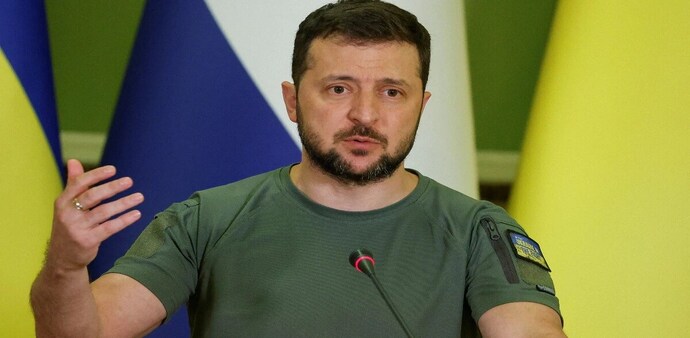
- Sep 8, 2025,
- Updated Sep 8, 2025 12:44 PM IST
Former Foreign Secretary Kanwal Sibal on Monday criticised Ukrainian President Volodymyr Zelensky for backing U.S. penalty tariffs on countries buying Russian oil, saying New Delhi should consider reducing its diplomatic engagement with Kyiv.
In a social media post, Sibal wrote: "Zelensky is supporting US penalty tariffs on India. He will evidently push this line with the EU too. Maybe we should give him less diplomatic attention. He is a huge obstacle to peace in Ukraine through dialogue and diplomacy, a position India has consistently supported."
Sibal's remarks followed Zelensky's interview with ABC News in which he endorsed U.S. trade penalties on countries continuing energy deals with Russia. "I think the idea to put tariffs on the countries who continue make deals with Russia is right idea," Zelensky said.
This comes against the backdrop of deteriorating India-U.S. ties after Washington doubled duties on Indian imports of Russian oil. An additional 25% tariff announced on August 27 raised the total to 50%.
U.S. Treasury Secretary Scott Bessent said over the weekend that Russia's economy would "collapse" if the U.S. and European Union expand secondary sanctions on countries purchasing Moscow's crude. "If the U.S. and EU can come in, do more sanctions, secondary tariffs on the countries that buy Russian oil, the Russian economy will be in full collapse. That will bring President Putin to the table," Bessent told NBC News.
He added that President Donald Trump and Vice President J.D. Vance had a "very productive" call with European Commission President Ursula von der Leyen, followed by his own discussions with her.
President Trump defended the new tariffs in remarks from the Oval Office. "We put a very big tariff on India, 50 percent tariff, very high tariff,” he said. "I get along very well with Prime Minister Modi, he’s great. He was here a couple of months ago."
Trade adviser Peter Navarro has gone further, accusing India of acting as "a massive refining hub and oil money laundromat for the Kremlin."
Despite these tensions, Prime Minister Narendra Modi spoke with Zelensky on August 30. The Prime Minister's Office said the call covered both the conflict and bilateral ties. "Prime Minister thanked President Zelenskyy and reaffirmed India's steadfast and consistent position for peaceful settlement of the conflict and support for efforts aimed at earliest restoration of peace," the statement read.
The two leaders also "reviewed progress in the India-Ukraine bilateral partnership and discussed ways to further enhance cooperation in all areas of mutual interest."
India has repeatedly maintained that it supports dialogue and diplomacy as the only path toward ending the war.
Former Foreign Secretary Kanwal Sibal on Monday criticised Ukrainian President Volodymyr Zelensky for backing U.S. penalty tariffs on countries buying Russian oil, saying New Delhi should consider reducing its diplomatic engagement with Kyiv.
In a social media post, Sibal wrote: "Zelensky is supporting US penalty tariffs on India. He will evidently push this line with the EU too. Maybe we should give him less diplomatic attention. He is a huge obstacle to peace in Ukraine through dialogue and diplomacy, a position India has consistently supported."
Sibal's remarks followed Zelensky's interview with ABC News in which he endorsed U.S. trade penalties on countries continuing energy deals with Russia. "I think the idea to put tariffs on the countries who continue make deals with Russia is right idea," Zelensky said.
This comes against the backdrop of deteriorating India-U.S. ties after Washington doubled duties on Indian imports of Russian oil. An additional 25% tariff announced on August 27 raised the total to 50%.
U.S. Treasury Secretary Scott Bessent said over the weekend that Russia's economy would "collapse" if the U.S. and European Union expand secondary sanctions on countries purchasing Moscow's crude. "If the U.S. and EU can come in, do more sanctions, secondary tariffs on the countries that buy Russian oil, the Russian economy will be in full collapse. That will bring President Putin to the table," Bessent told NBC News.
He added that President Donald Trump and Vice President J.D. Vance had a "very productive" call with European Commission President Ursula von der Leyen, followed by his own discussions with her.
President Trump defended the new tariffs in remarks from the Oval Office. "We put a very big tariff on India, 50 percent tariff, very high tariff,” he said. "I get along very well with Prime Minister Modi, he’s great. He was here a couple of months ago."
Trade adviser Peter Navarro has gone further, accusing India of acting as "a massive refining hub and oil money laundromat for the Kremlin."
Despite these tensions, Prime Minister Narendra Modi spoke with Zelensky on August 30. The Prime Minister's Office said the call covered both the conflict and bilateral ties. "Prime Minister thanked President Zelenskyy and reaffirmed India's steadfast and consistent position for peaceful settlement of the conflict and support for efforts aimed at earliest restoration of peace," the statement read.
The two leaders also "reviewed progress in the India-Ukraine bilateral partnership and discussed ways to further enhance cooperation in all areas of mutual interest."
India has repeatedly maintained that it supports dialogue and diplomacy as the only path toward ending the war.