
Need for a Privatisation Ministry? Arvind Panagariya backs bold PSU, bank reform push
On capital outflows, Panagariya noted that gross FDI remained strong despite questions about capital leaving India amid 6-7 per cent growth.
- Jun 16, 2026,
- Updated Jun 16, 2026 3:14 PM IST
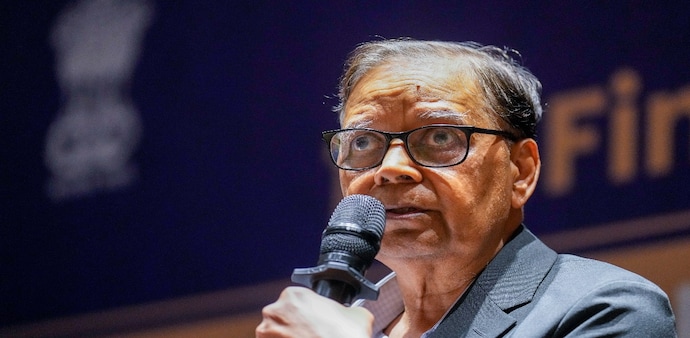
Former NITI Aayog vice chairman Arvind Panagariya on Monday said the government needs to revive the privatisation of public sector undertakings and public sector banks, calling it essential to India’s economic reforms. He also supported the creation of an independent privatisation ministry to accelerate the disinvestment process, stating that the Department of Disinvestment has not maintained the required pace.
In an interview with PTI, Panagariya said aggressive privatisation should continue despite the West Asia crisis and geopolitical uncertainties. He addressed concerns over capital outflows, foreign investment, the rupee’s depreciation, and below-average monsoon forecasts, arguing that recent trends do not warrant alarm.
He said, "I firmly believe that, regardless of fiscal pressures, the privatisation of PSUs and most public sector banks is integral to our economic reforms." Referring to India’s long-term goals, he added that modernising the economy as part of the India@2047 movement requires resuscitating PSU and PSB privatisation. During his tenure, NITI Aayog had pursued PSU disinvestment, launching its privatisation programme in 2016.
On capital outflows, Panagariya noted that gross foreign direct investment (FDI) remained strong despite questions about capital leaving India amid 6-7 per cent growth. He said gross FDI rose from USD 71.3 billion in FY24 to USD 80.6 billion in FY25 and USD 94.5 billion in FY26. He added that foreign investors continue to view India’s long-term investment productivity positively.
He explained that part of the outflows came from private equity exits, which typically occur when privately-owned firms go public through IPOs. Increased IPO activity in the past two years led to more exits by private equity investors. Panagariya also said FDI by Indian firms abroad had accelerated, causing some capital outflow, which he viewed as a sign of Indian firms maturing and expanding overseas.
He mentioned that foreign portfolio investment exits had increased over the last two years, contributing to dollar outflows. Indian equities had become overvalued, accelerating exits, but a valuation correction has since occurred. The rupee’s significant depreciation has made Indian equities cheaper for foreign investors, and Panagariya expects outflows to ease in FY27.
Regarding the rupee’s depreciation, he said it is reasonable to think the rupee is no longer overvalued, as earlier overvaluation has been corrected. He noted the rupee was around 48 to the dollar in 2002-03 and 47 to the dollar in 2011-12, leading to overvaluation in real terms. The slow correction after 2011-12 kept the rupee overvalued, causing merchandise exports to fall from USD 310 billion in 2011-12 to USD 260 billion in 2015-16, before rising back to USD 320 billion in 2019-20. He believes the rupee depreciation has now accelerated, marking a turning point.
MUST READ | '100 is just a number. Let it depreciate': Arvind Panagariya to RBI as rupee nears 97/$
Panagariya expressed hope that the RBI would not resist letting the rupee cross the Rs 100-per-dollar mark for too long. On the forecast of below-average monsoon rains, he said India’s reliance on rain has declined over the years. Water reservoirs are in good condition, the area sown has increased, and buffer stocks are robust. He did not see a compelling reason for concern.
Overall, Panagariya called for reviving PSU and PSB privatisation and advised viewing recent capital outflows, rupee movements, and monsoon concerns in a broader economic context.
Former NITI Aayog vice chairman Arvind Panagariya on Monday said the government needs to revive the privatisation of public sector undertakings and public sector banks, calling it essential to India’s economic reforms. He also supported the creation of an independent privatisation ministry to accelerate the disinvestment process, stating that the Department of Disinvestment has not maintained the required pace.
In an interview with PTI, Panagariya said aggressive privatisation should continue despite the West Asia crisis and geopolitical uncertainties. He addressed concerns over capital outflows, foreign investment, the rupee’s depreciation, and below-average monsoon forecasts, arguing that recent trends do not warrant alarm.
He said, "I firmly believe that, regardless of fiscal pressures, the privatisation of PSUs and most public sector banks is integral to our economic reforms." Referring to India’s long-term goals, he added that modernising the economy as part of the India@2047 movement requires resuscitating PSU and PSB privatisation. During his tenure, NITI Aayog had pursued PSU disinvestment, launching its privatisation programme in 2016.
On capital outflows, Panagariya noted that gross foreign direct investment (FDI) remained strong despite questions about capital leaving India amid 6-7 per cent growth. He said gross FDI rose from USD 71.3 billion in FY24 to USD 80.6 billion in FY25 and USD 94.5 billion in FY26. He added that foreign investors continue to view India’s long-term investment productivity positively.
He explained that part of the outflows came from private equity exits, which typically occur when privately-owned firms go public through IPOs. Increased IPO activity in the past two years led to more exits by private equity investors. Panagariya also said FDI by Indian firms abroad had accelerated, causing some capital outflow, which he viewed as a sign of Indian firms maturing and expanding overseas.
He mentioned that foreign portfolio investment exits had increased over the last two years, contributing to dollar outflows. Indian equities had become overvalued, accelerating exits, but a valuation correction has since occurred. The rupee’s significant depreciation has made Indian equities cheaper for foreign investors, and Panagariya expects outflows to ease in FY27.
Regarding the rupee’s depreciation, he said it is reasonable to think the rupee is no longer overvalued, as earlier overvaluation has been corrected. He noted the rupee was around 48 to the dollar in 2002-03 and 47 to the dollar in 2011-12, leading to overvaluation in real terms. The slow correction after 2011-12 kept the rupee overvalued, causing merchandise exports to fall from USD 310 billion in 2011-12 to USD 260 billion in 2015-16, before rising back to USD 320 billion in 2019-20. He believes the rupee depreciation has now accelerated, marking a turning point.
MUST READ | '100 is just a number. Let it depreciate': Arvind Panagariya to RBI as rupee nears 97/$
Panagariya expressed hope that the RBI would not resist letting the rupee cross the Rs 100-per-dollar mark for too long. On the forecast of below-average monsoon rains, he said India’s reliance on rain has declined over the years. Water reservoirs are in good condition, the area sown has increased, and buffer stocks are robust. He did not see a compelling reason for concern.
Overall, Panagariya called for reviving PSU and PSB privatisation and advised viewing recent capital outflows, rupee movements, and monsoon concerns in a broader economic context.