
GRAP 1 in Delhi-NCR: What is banned? Full list of restrictions
Under the revised GRAP framework approved in September 2026, Stage 1 contains 25 action points covering construction dust, transport emissions, waste burning and industrial pollution
- Oct 21, 2026,
- Updated Oct 21, 2026 9:44 PM IST
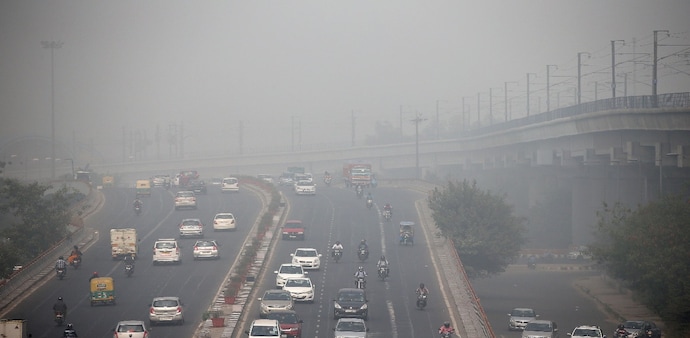
Delhi-NCR has been placed under Stage 1 of the Graded Response Action Plan (GRAP) after air quality deteriorated to the ‘poor’ category on October 21. The Commission for Air Quality Management (CAQM) invoked the restrictions with immediate effect across the National Capital Region to prevent further deterioration in pollution levels.
According to the Central Pollution Control Board (CPCB), Delhi’s average Air Quality Index (AQI) climbed to 244 at 2 pm on Wednesday, before rising to 245 at 4 pm. The India Meteorological Department (IMD) and the Indian Institute of Tropical Meteorology (IITM) have forecast that air quality could remain in the poor category over the coming days.
READ THIS: GRAP Stage I imposed across Delhi-NCR as AQI rises to 244 and air quality slips into ‘Poor’ category
What is GRAP Stage 1?
GRAP is a graded set of emergency measures designed to control air pollution in Delhi-NCR. Stage 1 is activated when the AQI falls between 201 and 300, categorised as ‘poor’. Under the revised GRAP framework approved in September 2026, Stage 1 contains 25 action points covering construction dust, transport emissions, waste burning and industrial pollution.
What is banned under GRAP Stage 1?
Open waste burning: Burning municipal solid waste, biomass, leaves and other materials in the open is prohibited. Authorities have also been directed to intensify surveillance at landfill and dumping sites to prevent fires.
Coal and firewood in restaurant tandoors: Hotels, restaurants and open eateries must not use coal or firewood in tandoors. Electricity, gas and other approved clean fuels must be used instead.
Non-compliant intercity buses: Under the revised rules, intercity and interstate buses entering Delhi-NCR from specified neighbouring states must meet the prescribed eligibility requirements. Electric, CNG and BS-VI diesel buses are permitted under the applicable provisions, while non-compliant buses are restricted.
Construction without dust-control compliance: Construction and demolition activities must follow dust-mitigation rules, including covering construction materials and waste, transporting debris in covered vehicles, water sprinkling and appropriate dust-control equipment. Eligible projects measuring 500 square metres or more must comply with applicable registration and monitoring requirements.
Regular use of diesel generators: Diesel generator sets cannot be used as a regular source of power supply. Their operation is regulated under applicable CAQM directions, with provisions for essential services.
What other restrictions apply?
Authorities will strictly enforce Pollution Under Control (PUC) certificate requirements and take action against visibly polluting vehicles. Existing restrictions on overage petrol and diesel vehicles will also be enforced.
Road-cleaning operations, water sprinkling, traffic management and inspections of polluting industries will be intensified. Authorities will also encourage public transport and shared commuting.